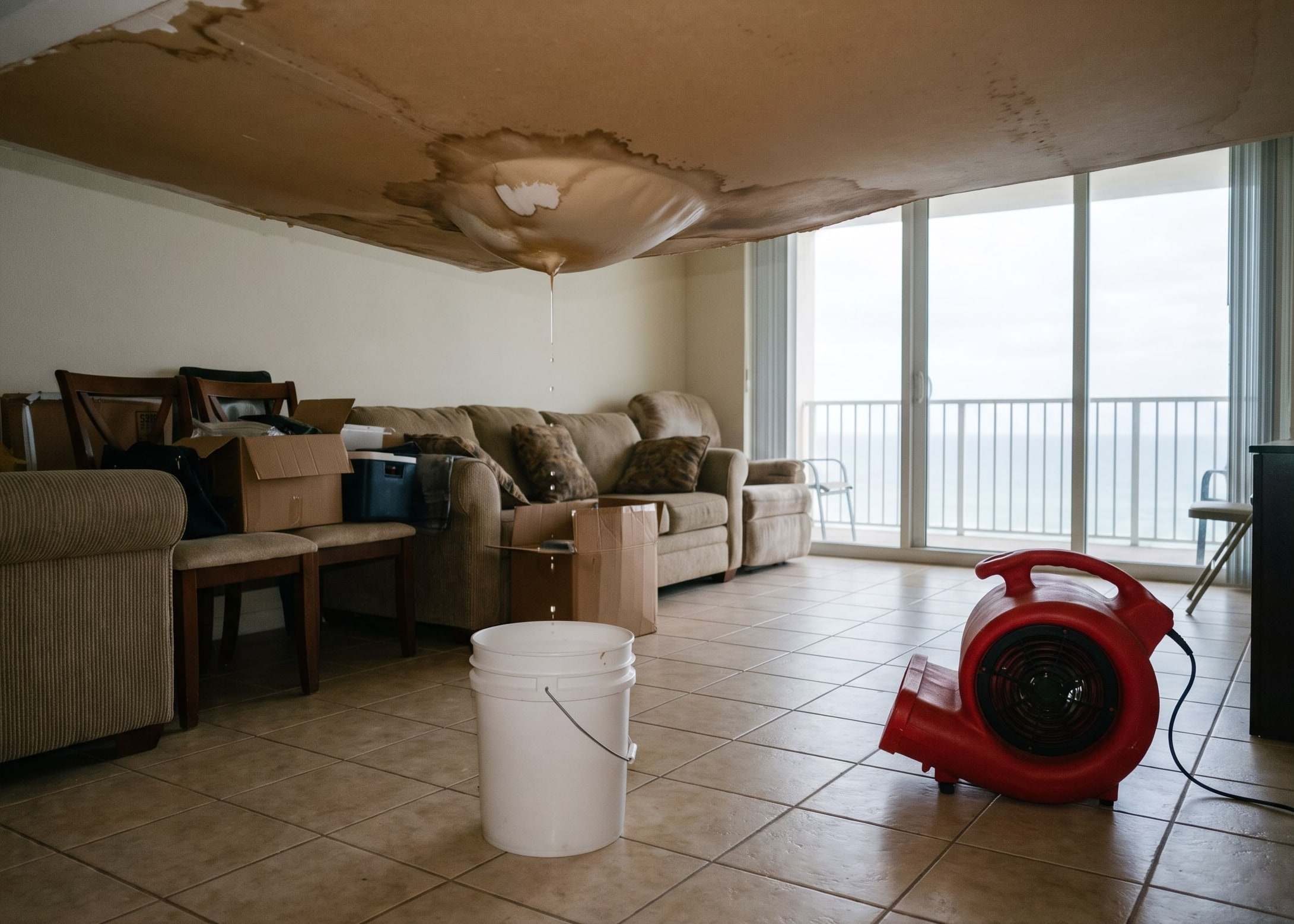
Ceiling Water Damage
Tracing, making safe, drying, and repairing ceilings soaked by condo leaks, attic AC units, plumbing, and roof leaks.
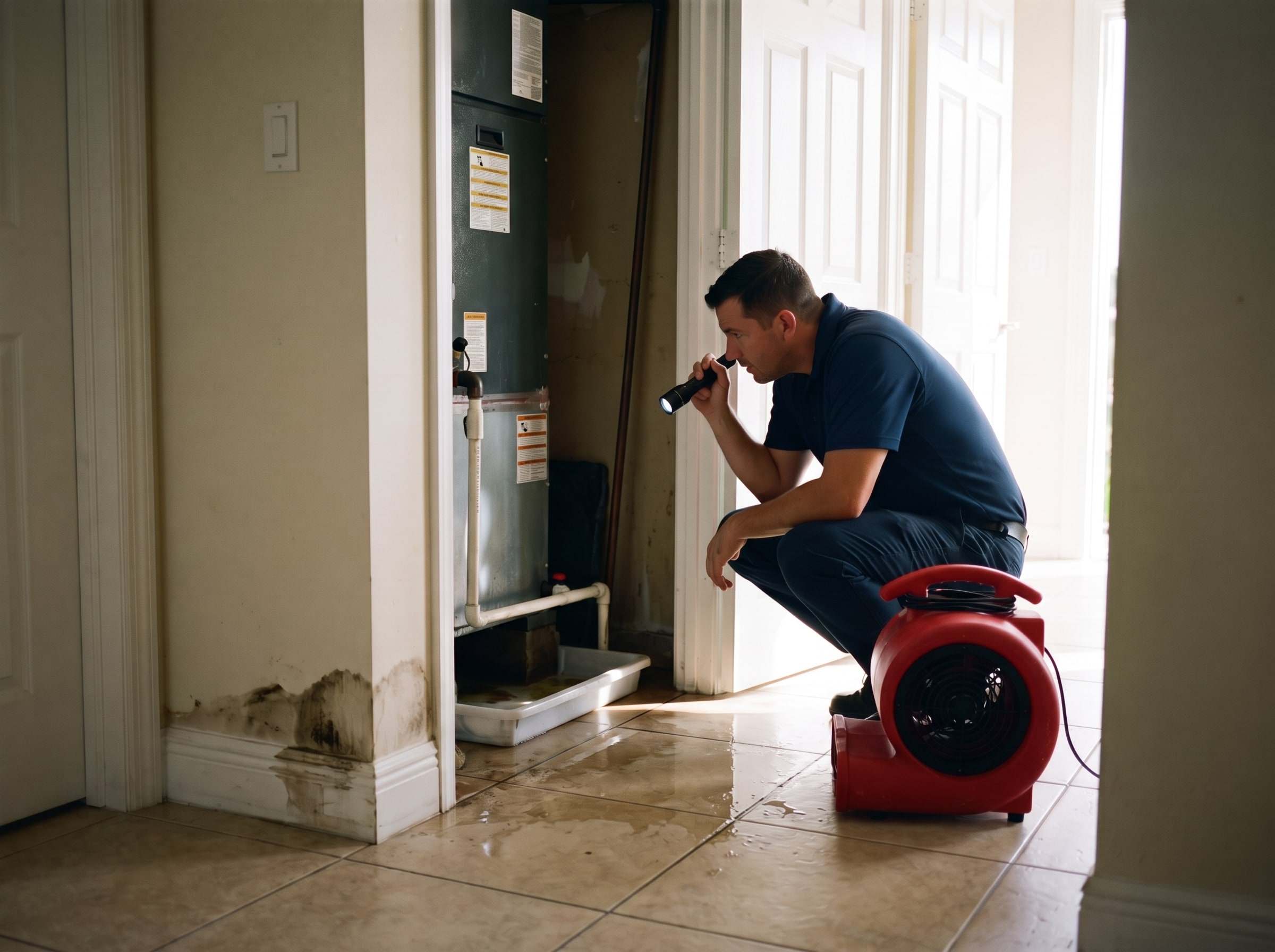
AC and appliance leaks
Clogged condensate lines, worn-out water heaters, and cracked appliance hoses are behind a large share of indoor water damage in South Florida. We dry the closet, the cabinets, and the floor, and record what failed.
On call 24/7
Schedule a no-cost on-site inspection. A restoration specialist will contact you within a few minutes to confirm the details.
Request received
Thank you. A restoration specialist will contact you at the number provided to confirm the details. If water is still coming in, call now and we'll walk you through shutting it off.
(954) 289-0566Recognized by



Appliances and AC systems leak where you look least: inside closets, behind the refrigerator, and under cabinets. By the time water shows on the floor, it has often soaked the cabinet base, the wall behind it, and the flooring underneath.
In South Florida the AC is the most common culprit. Systems run most of the year and produce a steady stream of condensate, the water pulled out of indoor air. When the drain line clogs with algae and sludge, that water overflows the pan into the closet, the wall cavity, or the ceiling below an attic unit.
We handle the water damage, not the appliance repair. An HVAC technician, plumber, or appliance technician fixes the unit. We extract the water, dry the structure, save cabinets where the readings allow, and document what failed for your claim.
What to look for
The pan under an attic or closet air handler should be dry. Water in it means the main condensate drain is blocked.
A tripped float switch shuts the system down to stop an overflow. It is often a sign of a clogged drain, not a broken AC.
Rust streaks, a damp ring on the floor, or water in the pan under the tank usually mean the tank is failing.
Particleboard toe-kicks and laminate near the dishwasher or sink swell and separate when water gets underneath.
A slow drip from an ice-maker or water dispenser line can lift laminate or stain wood for weeks before anyone notices.
Staining or soft drywall low on the wall behind the laundry hookups points to a leaking hose or valve.
Our process
Appliance leaks hide under and behind things. Most of the work is reaching those spaces without tearing out more than necessary.
We help you close the appliance valve or the main, and turn the AC off at the thermostat if the condensate pan is overflowing.
Standing water comes up, and anything stored in the AC closet, laundry room, or under-sink cabinet is moved out and checked.
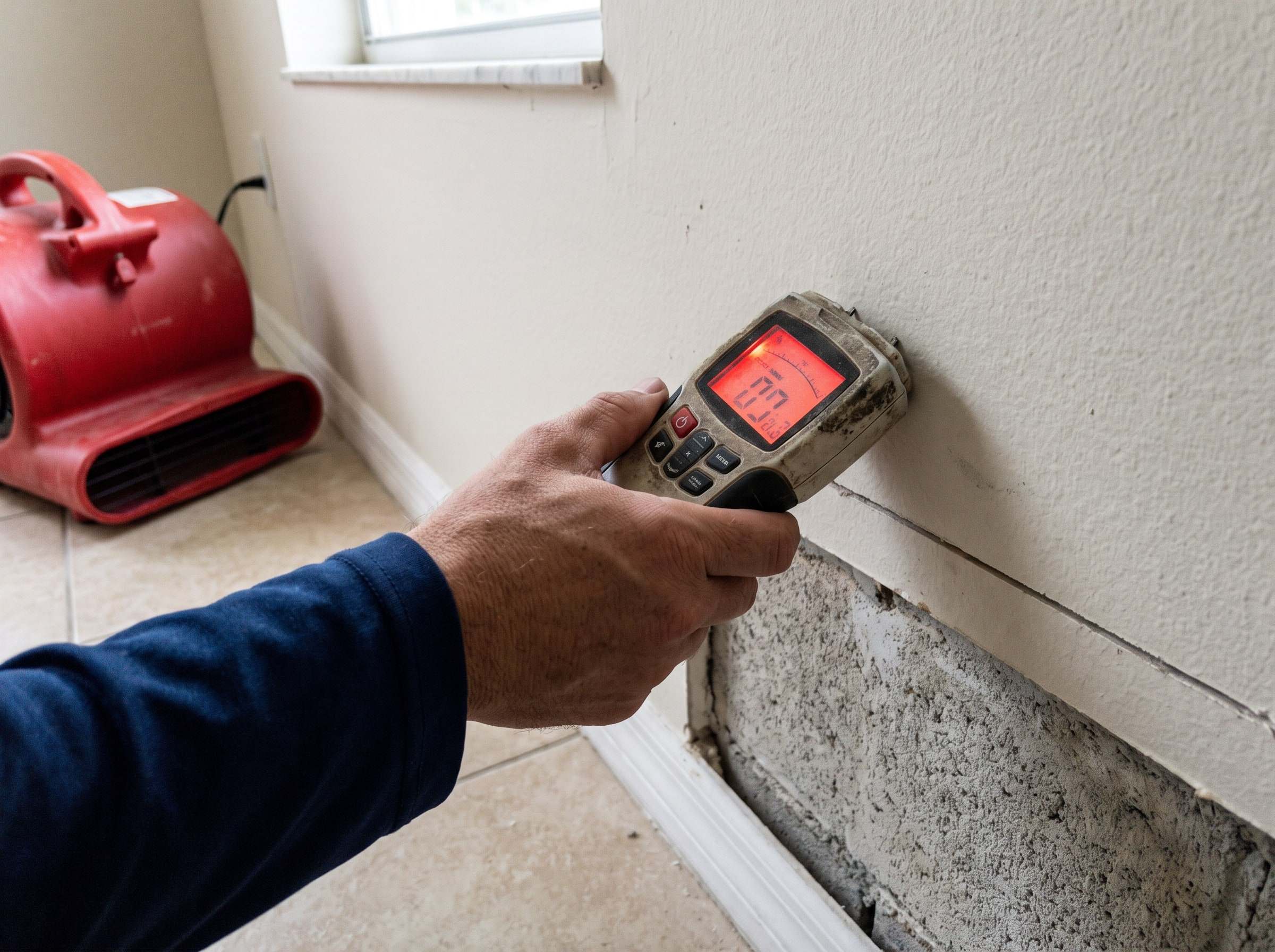
Moisture meters and thermal imaging show how far the water went under cabinets, behind the appliance, through the wall, and into the next room.
Toe-kicks are removed and small vent holes are drilled where needed so dry air reaches the space under the cabinet bases. Sound cabinet boxes can often be dried in place.
Dehumidifiers and directed airflow dry the AC closet, laundry area, and flooring. Swollen laminate is removed; tile and wood are read before any decision is made.
Affected areas are cleaned and treated. We photograph the failed hose, valve, tank, or drain line and include it with the readings and scope for your adjuster.
Your HVAC technician, plumber, or appliance technician repairs the unit. Once readings are back to normal, cabinets, flooring, and drywall are repaired.
Types and causes
Algae and sludge clog the condensate drain line, the pan fills, and water spills into the closet, wall, or ceiling. It happens most in summer, when the system runs hardest.
A float switch, a small safety switch that shuts the AC off when water backs up, only helps if it is installed and working. Older metal drain pans also rust through and leak even when the drain is clear.
Tank water heaters have a limited life, often around a decade, and usually fail by rusting through at the bottom. A failed tank keeps refilling until the supply valve is closed.
Rubber fill hoses crack and burst with age and are commonly recommended for replacement about every five years. Braided stainless hoses hold up better.
Leaks from the supply line, drain hose, or door seal run under the dishwasher and the cabinets beside it, where they can go unnoticed.
Thin plastic or copper lines behind the fridge crack, kink, or loosen at the fitting and drip under the flooring for weeks.
Timing
Some appliances dump water all at once; others drip quietly for weeks. Both need drying, but the damage builds on a different clock.
A split washer hose or failed water heater keeps flowing under pressure until a valve is closed, flooding the laundry or closet and the rooms beside it.
Condensate spills every time the AC cycles on, soaking the closet floor, the base of the walls, and sometimes the ceiling below.
A dishwasher or ice-maker leak saturates the cabinet base and the floor underneath before anything shows on top.
Particleboard swells past saving, mold grows under the cabinets, and insurers may treat the loss as long-term leakage rather than a sudden event.
Why Restoration USA
Water heaters and AC units fail on weekends too. We answer around the clock and walk you through shutting things off.
Washer and dishwasher water is handled as Category 2, water with some contamination, as the IICRC standard calls for.
Photos of the failed hose, valve, tank, or drain line sit alongside the readings and scope, so the adjuster sees what failed and what it damaged.
Homes, condos, offices, break rooms, and commercial kitchens with their own appliances and AC units.
Reviews
This company is absolutely nothing short of amazing! John listens and hears what the needs are and makes sure you feel as important as the next job. They are professional, on time and very catering to the clients needs and time. I have used them for years with 2 different houses. They take the time to walk you through the process and spend time even after in order to make you feel comfortable. They are extremely professional and I feel safe having them in my home. They treated my house as if it was their own. They ensure your family is safe and that is the most important thing. I would highly recommend this company.
Grateful for James and his team! They did an outstanding job helping my elderly father whose living room had gotten wet due to weather conditions! Fast, detailed, and professional, with a caring spirit!!! Would highly recommend Restoration USA!! Great job again!!!
These guys are AWESOME. We had a huge flood in our house and they handled everything from packing up our contents, drying out our home and restoring our home like nothing ever happened. They were very professional and brought our home back to normal in the time that they promised and we agreed on. I highly recommend them for all your restoration needs. Cheers
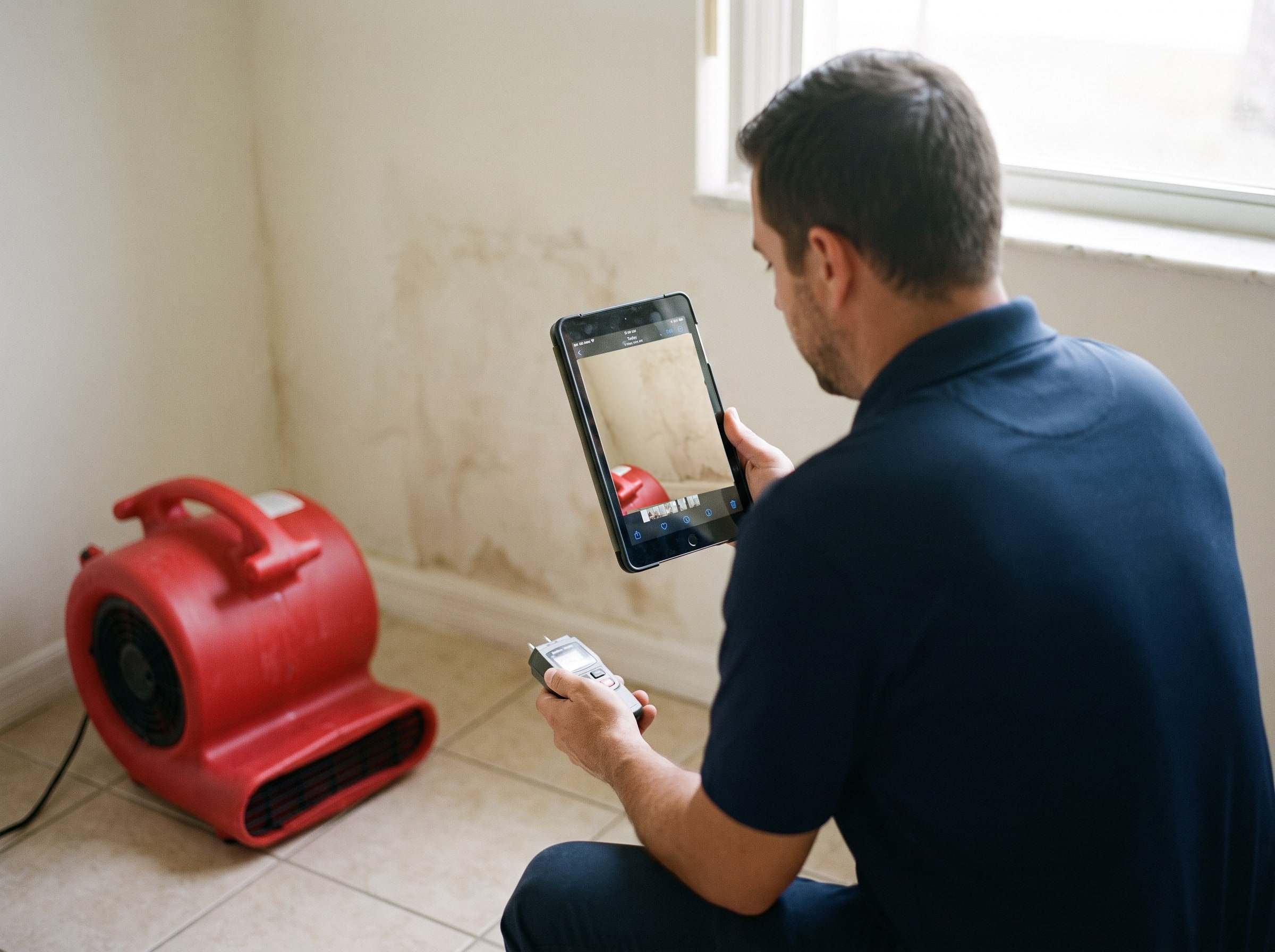
★ Every job is documented: photos, readings, and an itemized scope.
Insurance
Homeowners and HO-6 policies commonly cover sudden water damage from an appliance failure or AC overflow, but usually not the appliance itself or the worn part that failed. Many policies exclude damage from leaks that continued over weeks or months, so report a leak as soon as you find it.
In a condo, Florida's condo statute generally places appliances and water heaters inside the unit on the owner's side, so your HO-6 policy is usually the first stop. Some associations also set rules on water heater age or AC maintenance. Check your declaration and rules, because they can affect who pays when one unit's equipment damages a neighbor.
Carriers we've worked with: Citizens Property Insurance, Universal Property & Casualty, Tower Hill Insurance, State Farm, Allstate, USAA, and many more. We are not affiliated with or endorsed by any insurance company.
Coverage decisions belong to your insurer and depend on your policy. Florida does not allow assignment of benefits on property policies issued on or after January 1, 2023, so you stay in control of your claim.
How water damage claims work in FloridaFAQ
Turn the system off at the thermostat so it stops producing condensate, and soak up what you can. Check the drain pan; if it is full, the condensate line is probably clogged and an HVAC technician should clear it. If water reached the wall, the closet floor, or the ceiling below, call us to extract and dry it.
A float switch shuts the AC off when water backs up in the pan or drain line, which can stop an overflow before water leaves the pan. It has to be installed in the right spot and tested during routine maintenance. It does not clear the clog, so a tripped switch still means the drain needs service.
Not always. If the cabinet boxes have not swollen, we remove the toe-kick, open the space under the base, and dry it in place. Particleboard that has swollen or delaminated does not return to its original shape and usually needs replacing.
Tank water heaters often last around a decade, depending on water quality and maintenance. Rust at the base, water in the drain pan, or a tank past its expected life are signs to have a plumber look at it. Some condo associations also set a maximum age for water heaters in their rules.
Usually it is Category 2, meaning it carries detergent, food, or soil and could make someone sick if swallowed. Wet carpet pad is usually removed, and surfaces are cleaned and treated before drying. A drain backup that involves sewage is handled as Category 3.
Related services
Tracing, making safe, drying, and repairing ceilings soaked by condo leaks, attic AC units, plumbing, and roof leaks.
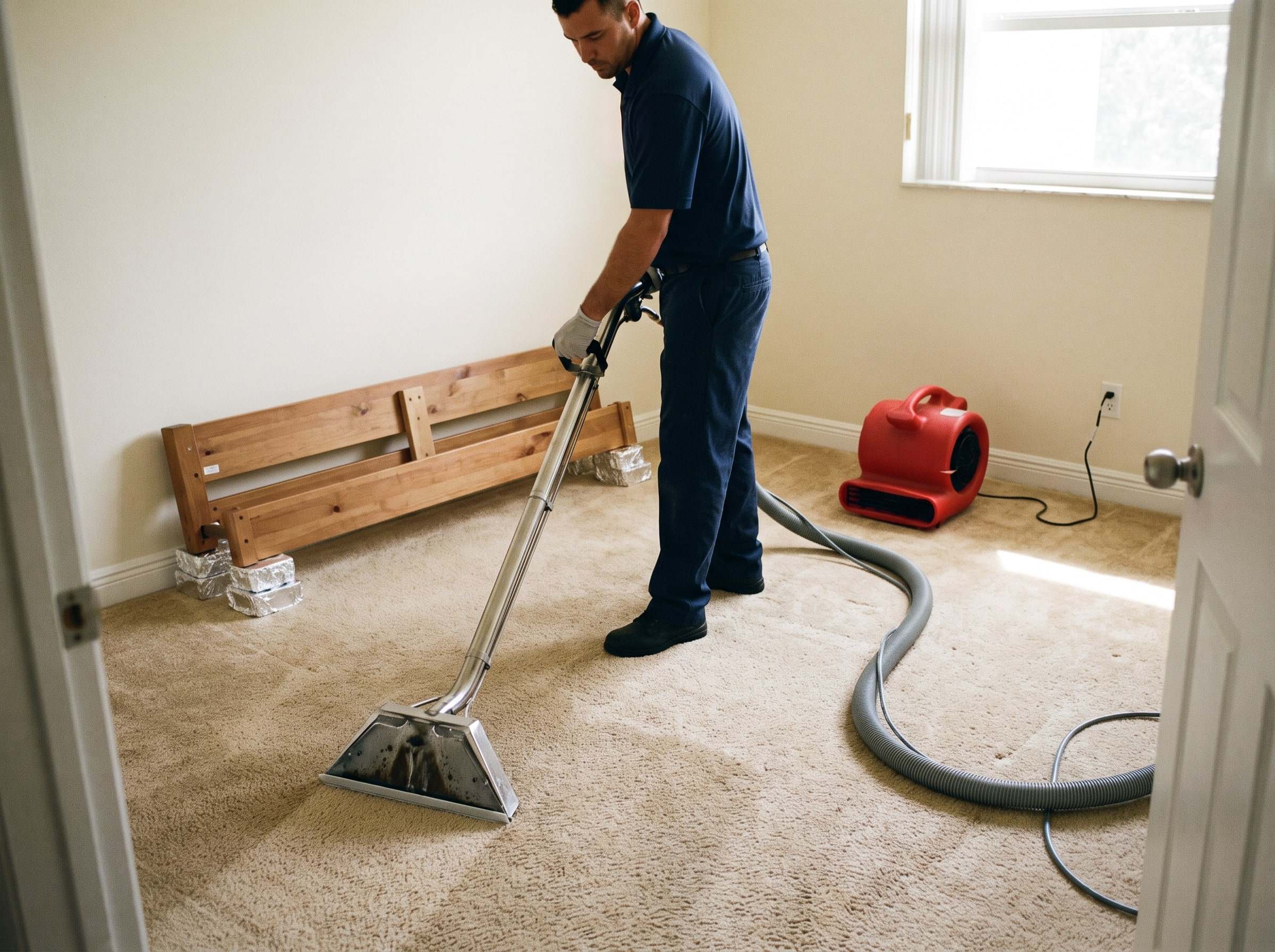
Pumping, truck-mount and portable extraction, and weighted carpet extraction that get standing and absorbed water out before it spreads to walls and the unit below.
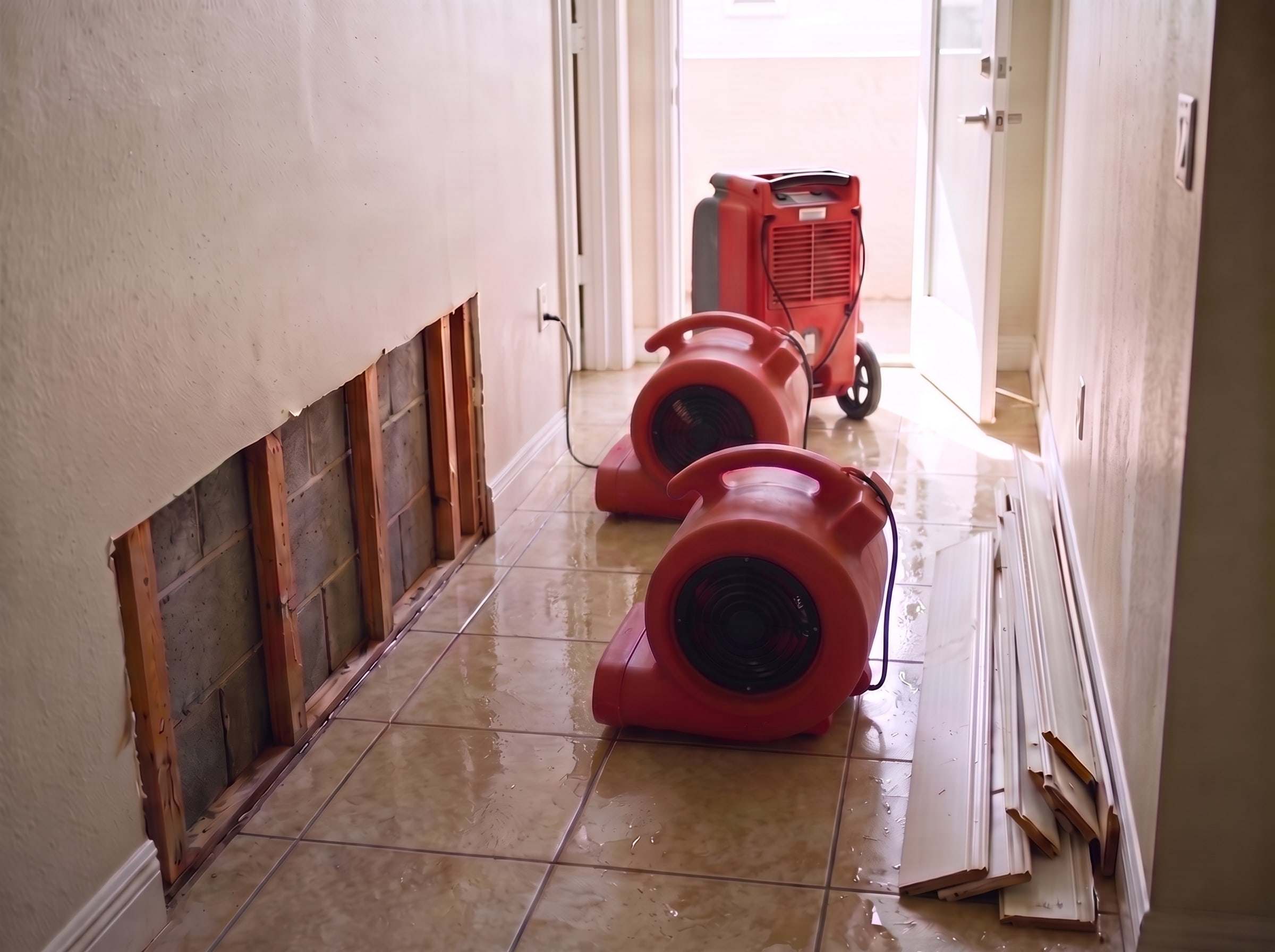
Dehumidification, air movement, and targeted drying for wall cavities, block, slabs, and hardwood, tracked with daily moisture readings.
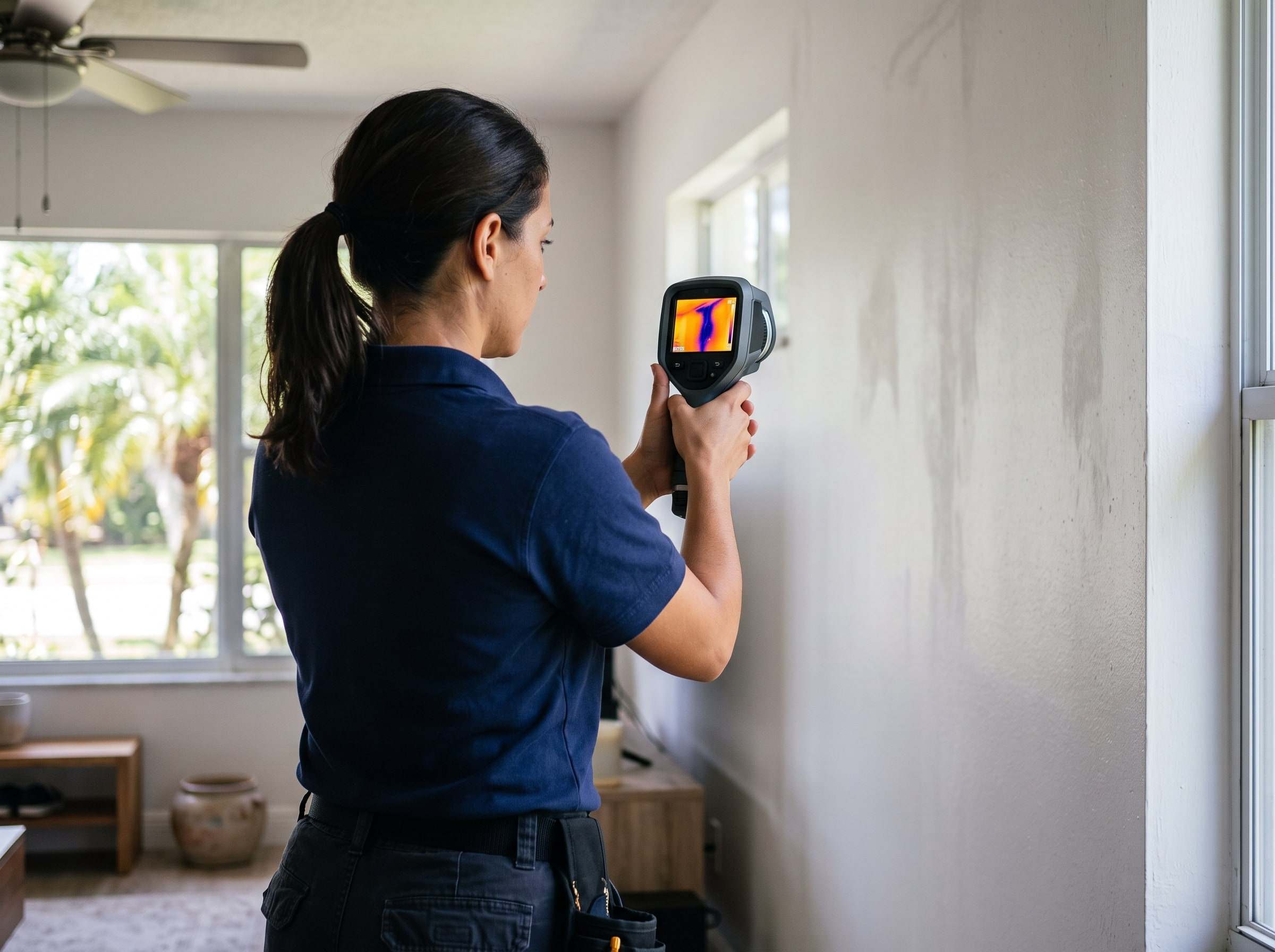
Non-invasive detection for slab, wall, irrigation, and roof leaks using pressure tests, acoustic equipment, thermal imaging, and video pipe inspection.
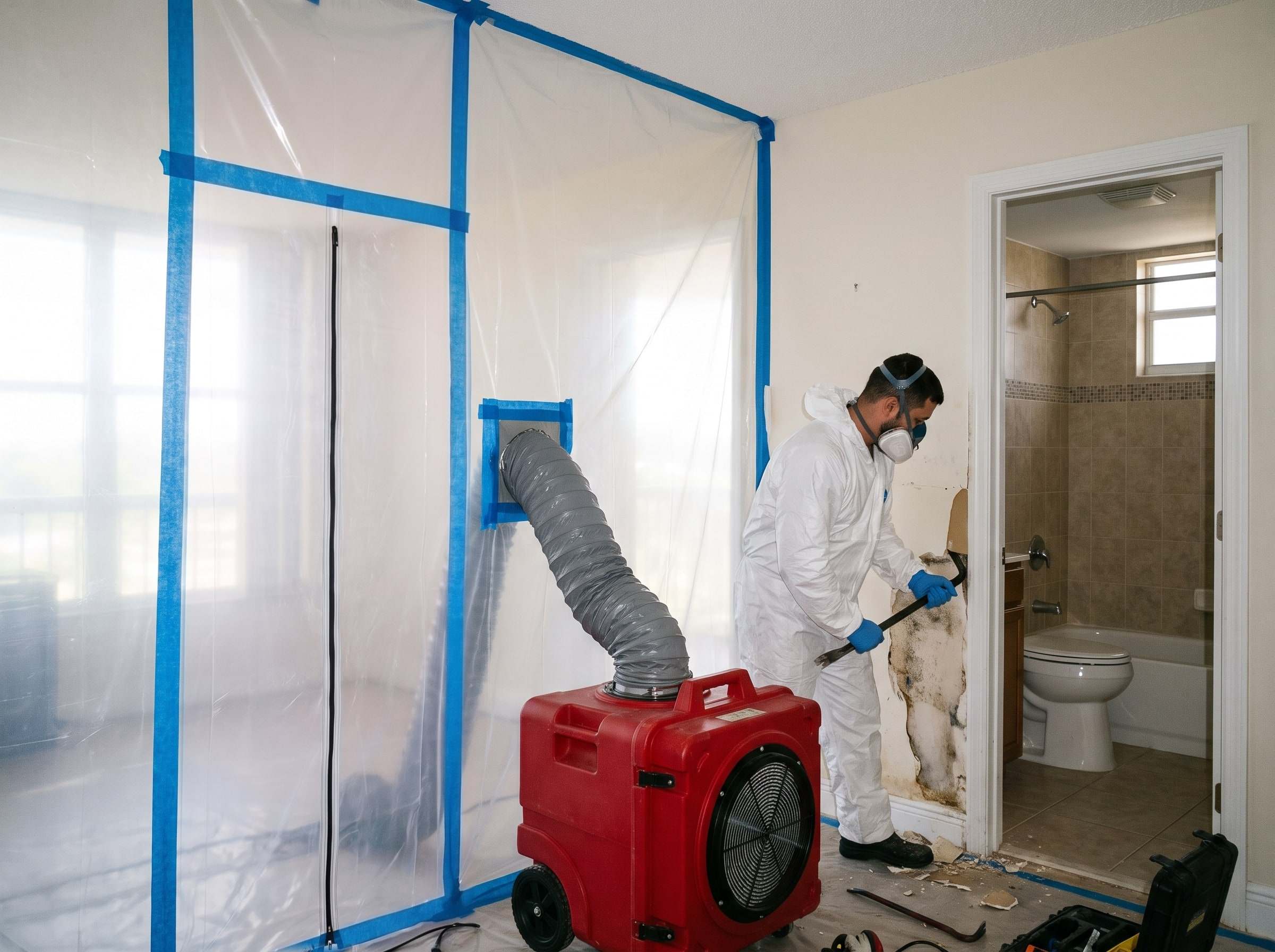
Containment, HEPA filtration, removal of moldy materials, and detailed cleaning to IICRC S520, with the moisture source found and fixed first.
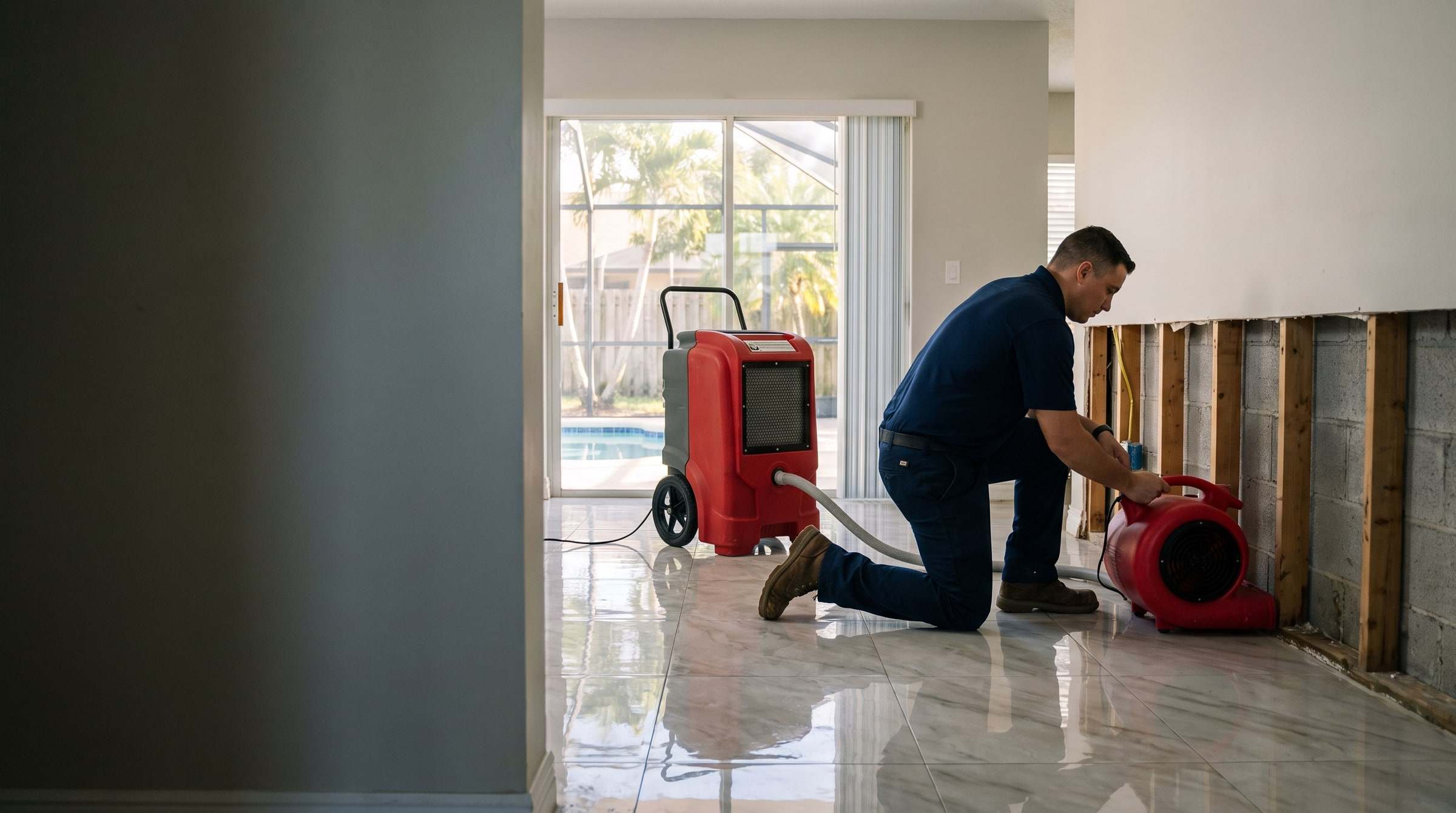
Extraction, moisture mapping, and structural drying for leaks, overflows, and floods, with documentation your adjuster can use.
Service areas
We cover Miami-Dade, Broward, and Palm Beach counties. These are some of the cities where we handle appliance leaks most often.
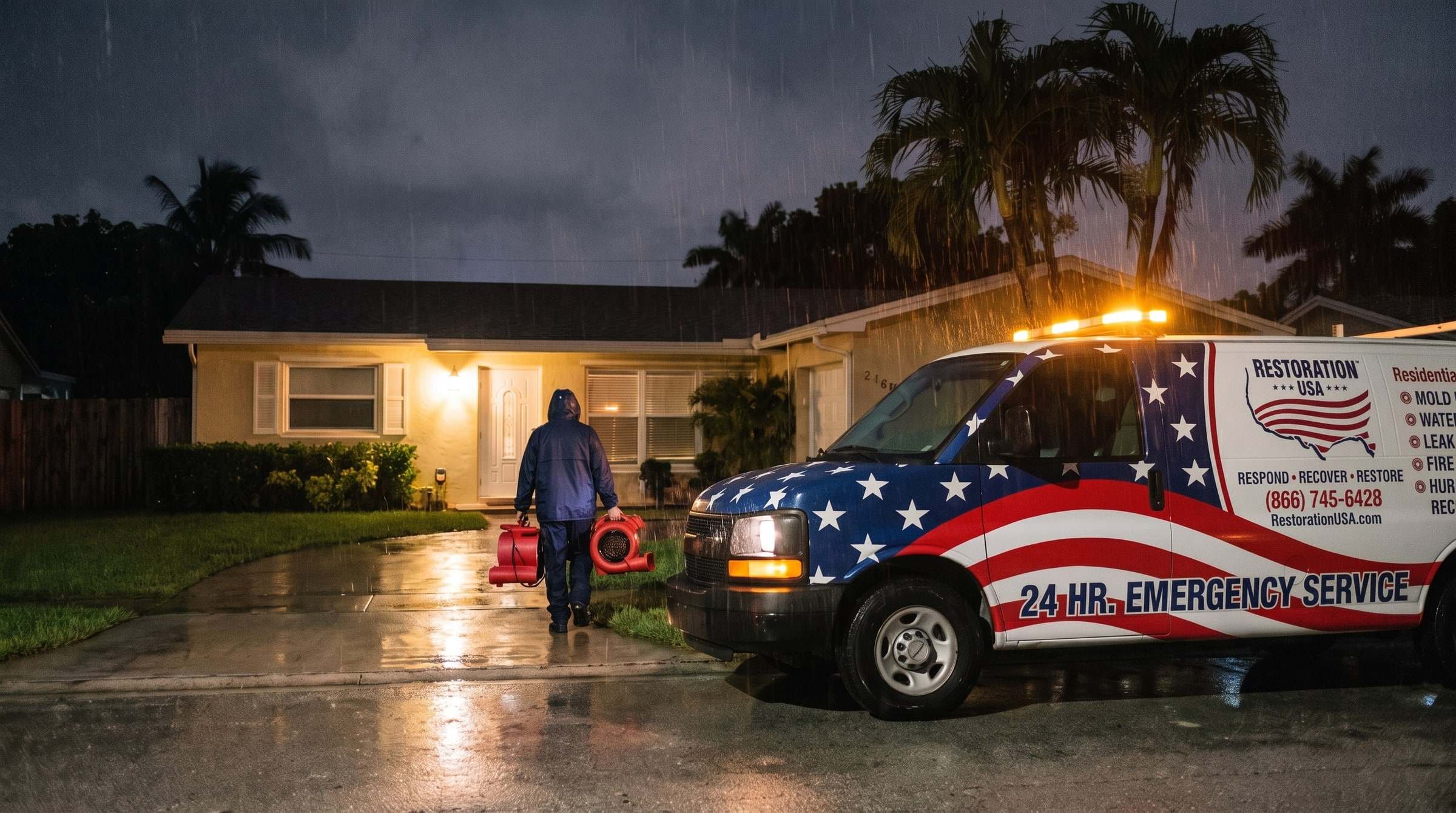
Don't wait. Go with the pros.
Call the 24/7 line. We will help you stop the source, tell you what to move, and get a crew scheduled. Not urgent? Send a request and we will call you back.
Call 24/7 (954) 289-0566On call 24/7
Schedule a no-cost on-site inspection. A restoration specialist will contact you within a few minutes to confirm the details.
Request received
Thank you. A restoration specialist will contact you at the number provided to confirm the details. If water is still coming in, call now and we'll walk you through shutting it off.
(954) 289-0566Recognized by