Water Damage Restoration
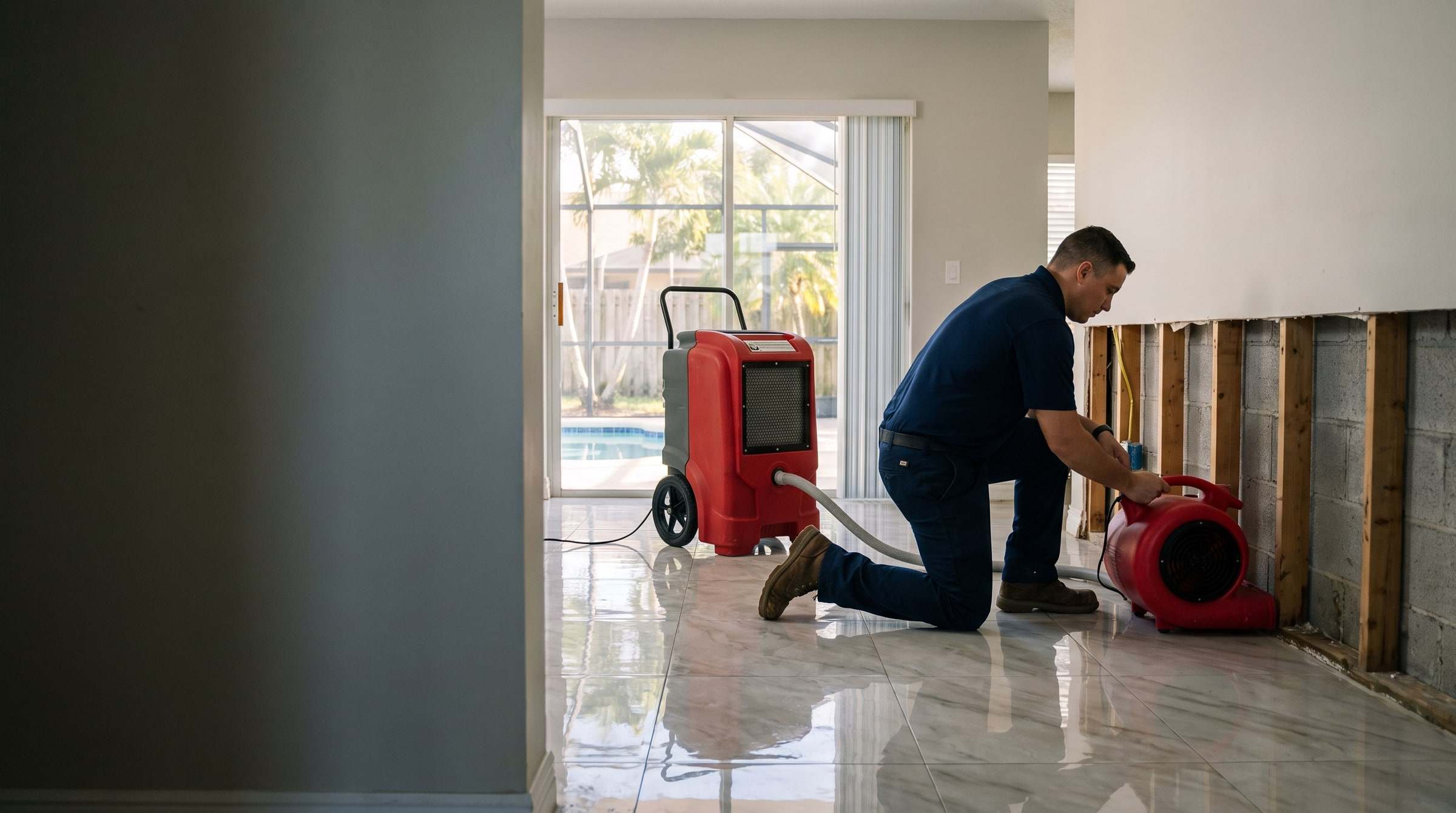
Extraction, moisture mapping, and structural drying for leaks, overflows, and floods, with documentation your adjuster can use.
Commercial restoration
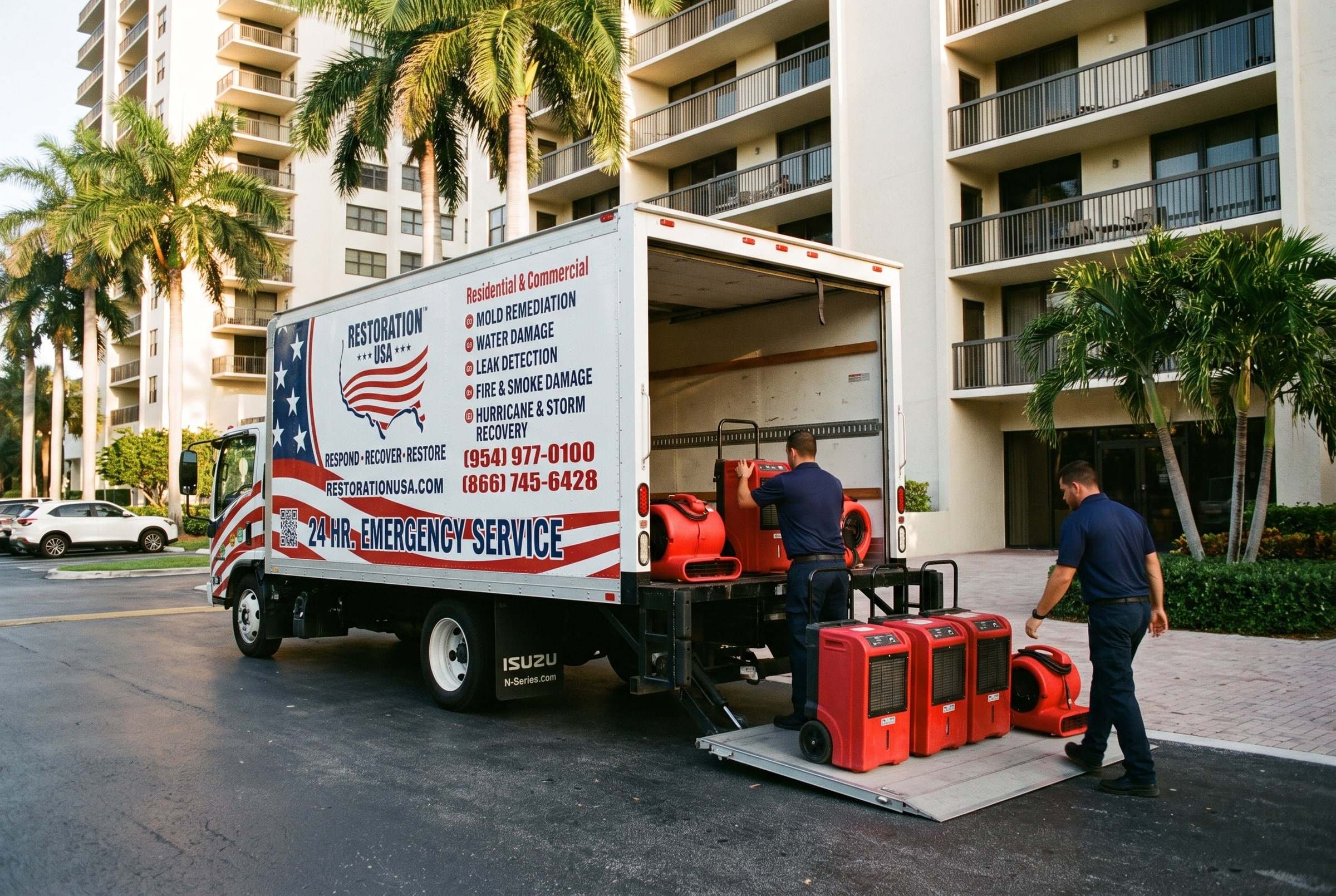
We plan water, mold, fire, and storm restoration around your tenants, customers, and business hours, and document each loss for owners, managers, and adjusters.
On call 24/7
Schedule a no-cost on-site inspection. A restoration specialist will contact you within a few minutes to confirm the details.
Request received
Thank you. A restoration specialist will contact you at the number provided to confirm the details. If water is still coming in, call now and we'll walk you through shutting it off.
(954) 289-0566Recognized by


Drying an office works on the same principles as drying a house. What changes is everything around it: more people affected, more decision-makers, tenants with their own insurance, and a cost for every day a space is closed. We work in offices and medical suites, retail and shopping centers, restaurants, warehouses, hotels, and apartment and condo buildings.
Commercial jobs are planned around operations. That can mean drying one zone at a time so the rest of the floor stays open, scheduling demolition and noisy work outside business hours where the building allows, and using containment to keep dust and odor out of occupied areas. Large open spaces may call for desiccant dehumidifiers and high-volume air movement.
Documentation carries more weight in a commercial building. Owners, property managers, tenants, and sometimes several insurers each need to see what happened in their part of the property. We keep separate records by suite or unit, each with its own daily readings, photos, and itemized scope.
What to look for
Acoustic tiles reveal leaks from roof drains, sprinkler lines, and HVAC units above, often some distance from the actual source.
An odor confined to one tenant space or hallway can mean a slow leak inside a shared wall or under carpet tile.
Glue-down flooring loosens and curls at the edges when moisture comes up from the slab or in from a wall.
Condensation on diffusers and ductwork in humid buildings drips onto ceiling tiles and can start mold growth.
Standing water around rooftop AC units and clogged roof drains often comes before a leak into the space below.
Several reports of drips, stuffiness, or odor from the same area are worth checking before they turn into a claim.
Our process
Every commercial job starts with a plan agreed with the person who controls the building, so the work fits how the property operates.
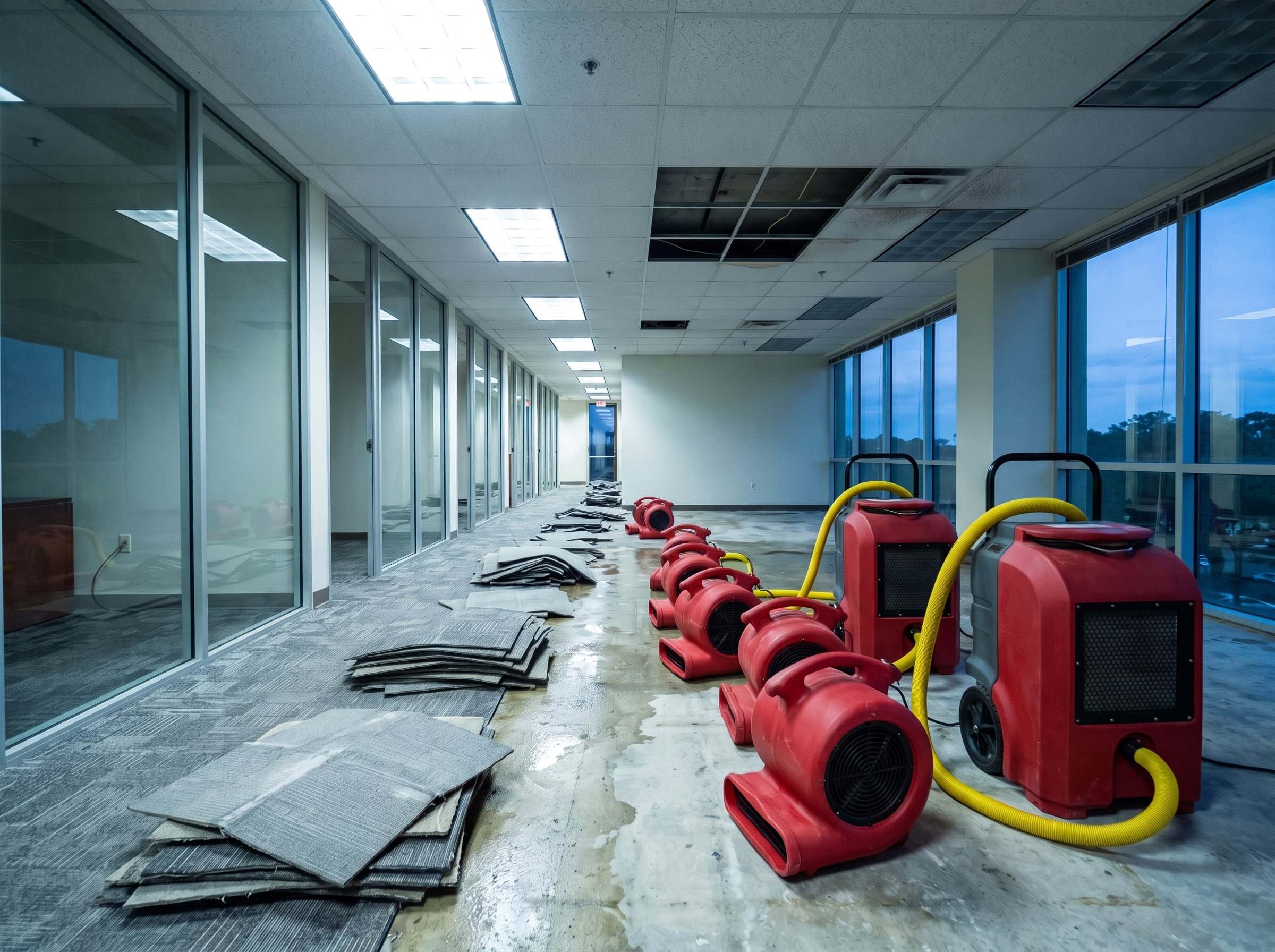
We confirm who can approve work, where the shutoffs are, and which areas must stay open, then stop the damage from spreading.
Moisture meters and thermal imaging set the boundaries by suite, floor, or unit, including the spaces above and below.
Containment, air filtration where needed, and protected walkways separate the work area from employees, tenants, and customers.
Water is removed, wet ceiling tile, carpet pad, and drywall come out, and drying is phased by zone so other areas can keep working.
Readings are recorded every day, and the property contact gets an update on progress, equipment, and next steps.
Photos, readings, and scopes are kept by unit, tenant, or insured party, so each claim can be handled on its own.
Repairs are scheduled around business hours and tenant access, and the space is handed back once the work is complete.
Types and causes
A broken sprinkler head or supply line in an office, hotel, or condo tower can release a large volume of water across several floors.
Flat roofs on warehouses, plazas, and office buildings leak at drains, rooftop units, and flashing, often over inventory or equipment.
Shared stacks in multifamily buildings and grease-heavy lines in restaurants back up into ground-floor units and kitchens.
Restaurant grease fires and electrical fires in stores and offices, with smoke spreading through shared ceilings and ductwork.
Growth in hotel rooms, tenant suites, and common areas, remediated with containment so the rest of the building stays in use.
Hurricanes and heavy rain that hit an entire plaza, campus, or HOA community at once, with each building recorded separately.
Timing
In a commercial building the clock affects the business as well as the structure. Every day of drying or tear-out can be a day a space stays closed.
Water spreads under carpet tile and through ceiling cavities into neighboring suites. Inventory and equipment may need to be moved or protected.
Ceiling tile, insulation, and drywall saturate and odors start. Decisions about which areas stay open have to be made.
Mold can begin on wet materials, and a job that could have been dried in place turns into tear-out.
Tenants may be displaced, the repair scope grows, and lost operating time keeps adding up.
Why Restoration USA
Offices, retail, restaurants, warehouses, hotels, and multi-unit residential buildings, as well as the single-family homes around them.
Commercial losses happen overnight and on weekends. Our emergency line is answered around the clock.
Separate photo logs, readings, and scopes for each space, so owners, tenants, and associations each have a clear record.
Drying, mold, and cleaning work follows IICRC procedures, carried out by a team with more than 30 years of combined experience.
Reviews
Great service. I had a pleasant experience with Restoration USA. They truly portray what the company stands for. I hired them for severe water damage for my business. I was expecting my business to stay closed for months. They finished the work quickly and efficiently and I was able to open within a few weeks. 5 well deserved stars!
What's worse than water damage? Looking after a property for an out of town owner and having water damage....Restoration USA was there when we needed them. James, the owner, really puts his customers first. I hope I don't need them again but they're gonna be my first call if one of my properties experiences some sort of disaster
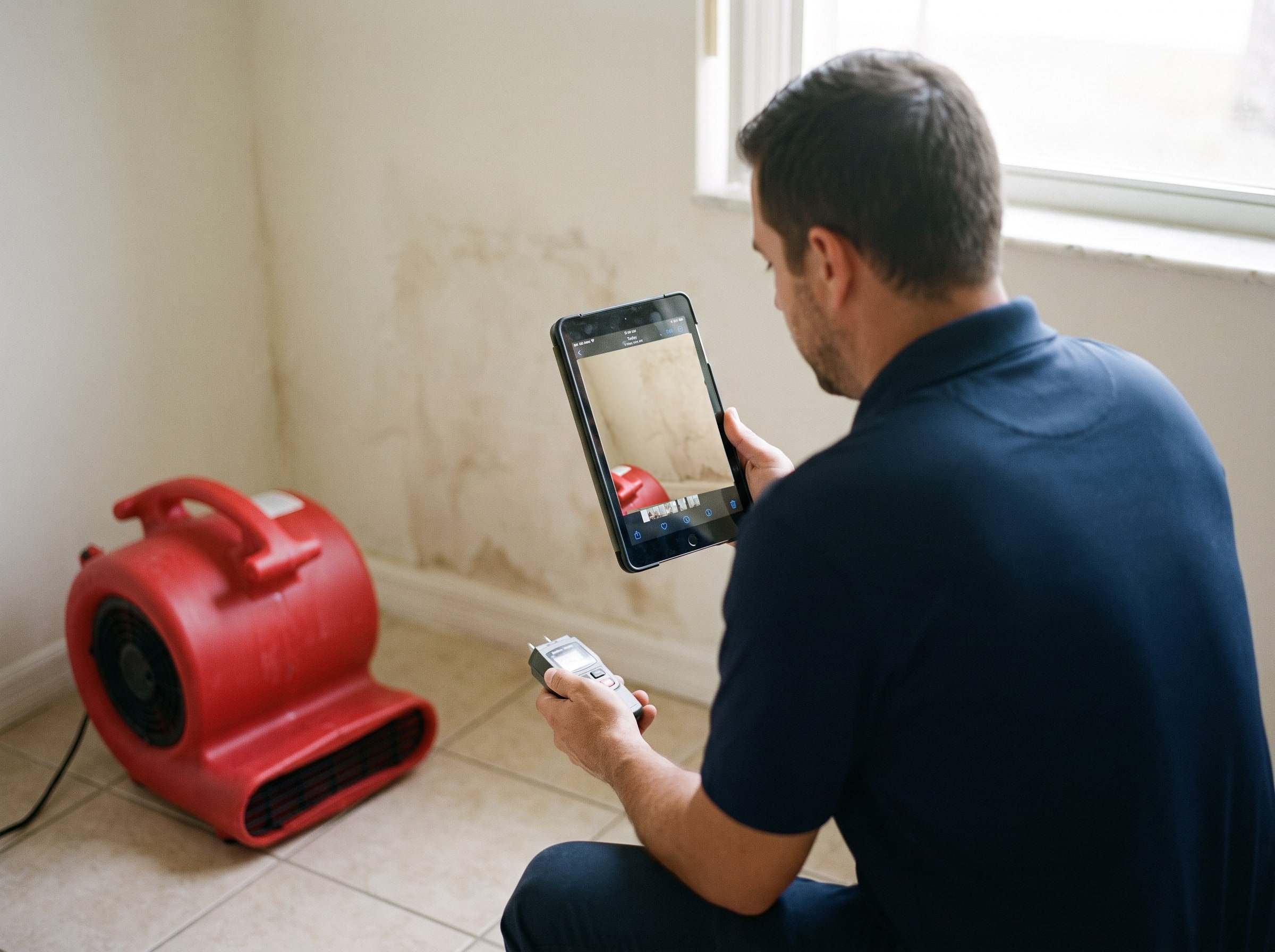
★ Every job is documented: photos, readings, and an itemized scope.
Insurance
Commercial property policies vary widely, and one loss can involve the building owner's policy, tenants' policies, and in a condominium, the association's master policy alongside unit owners' HO-6 policies. Under Florida's condominium statute, the master policy generally covers the building while unit owners cover interior finishes such as flooring, wall coverings, and cabinets. Clear records of where water started and where it went help each policy respond to its share.
If your policy includes business income coverage, that part of the claim usually depends on documented physical damage and how long the space was out of use. Dated photos, daily moisture logs, and records of when areas closed and reopened support it. We prepare that documentation; coverage decisions rest with your carrier and your own advisors.
Carriers we've worked with: Citizens Property Insurance, Universal Property & Casualty, Tower Hill Insurance, State Farm, Allstate, USAA, and many more. We are not affiliated with or endorsed by any insurance company.
Coverage decisions belong to your insurer and depend on your policy. Florida does not allow assignment of benefits on property policies issued on or after January 1, 2023, so you stay in control of your claim.
How water damage claims work in FloridaFAQ
It is a program for property owners and managers who want a plan in place before a loss happens. It includes pre-loss planning tailored to your property, priority response for program members during emergencies, and a dedicated account manager as a single point of contact. Call us to talk through how it would apply to your buildings.
Often, yes. Drying equipment runs around the clock, but demolition, debris removal, and other disruptive work can be scheduled outside business hours where the building allows. We also phase drying by zone so areas that were not affected can keep operating.
We trace the water from its source through every unit it reached, including ceilings and walls below. Each unit gets its own readings, photos, and scope, and common elements such as hallways and shared walls are recorded on their own. That lets the association and each owner's insurer review the part that applies to them.
Exposed food and single-use items are discarded, and kitchen surfaces and equipment exteriors are cleaned of soot, grease residue, or contaminated water. Food-contact surfaces are sanitized before use. Depending on the damage, an inspection may be required before reopening, so check with your licensing authority.
Access to the affected areas, the location of water and electrical shutoffs, contact details for affected tenants or owners, and the name of the person who can approve work. Building plans or a record of past leaks help us trace water faster.
Related services
Extraction, moisture mapping, and structural drying for leaks, overflows, and floods, with documentation your adjuster can use.
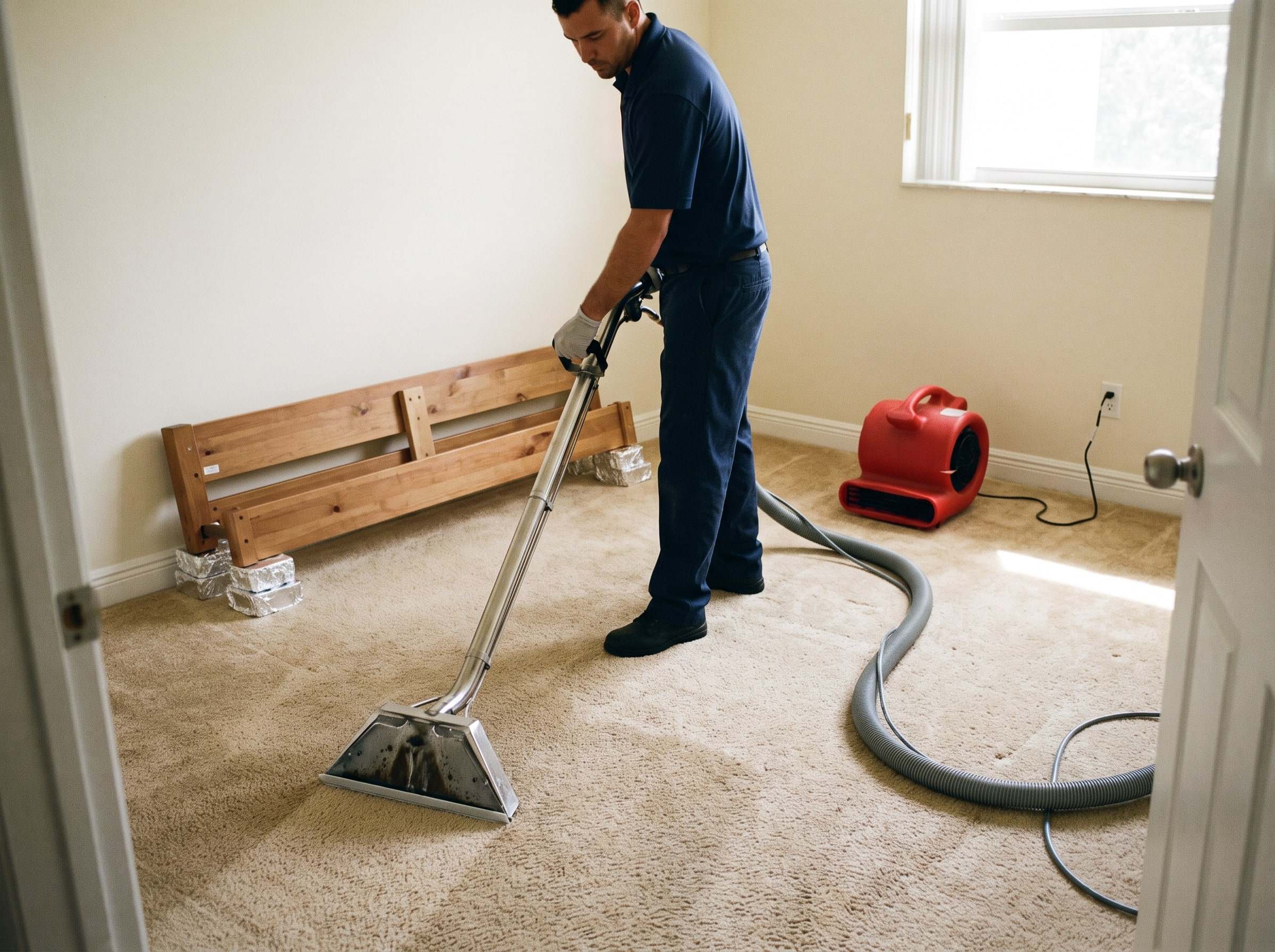
Pumping, truck-mount and portable extraction, and weighted carpet extraction that get standing and absorbed water out before it spreads to walls and the unit below.
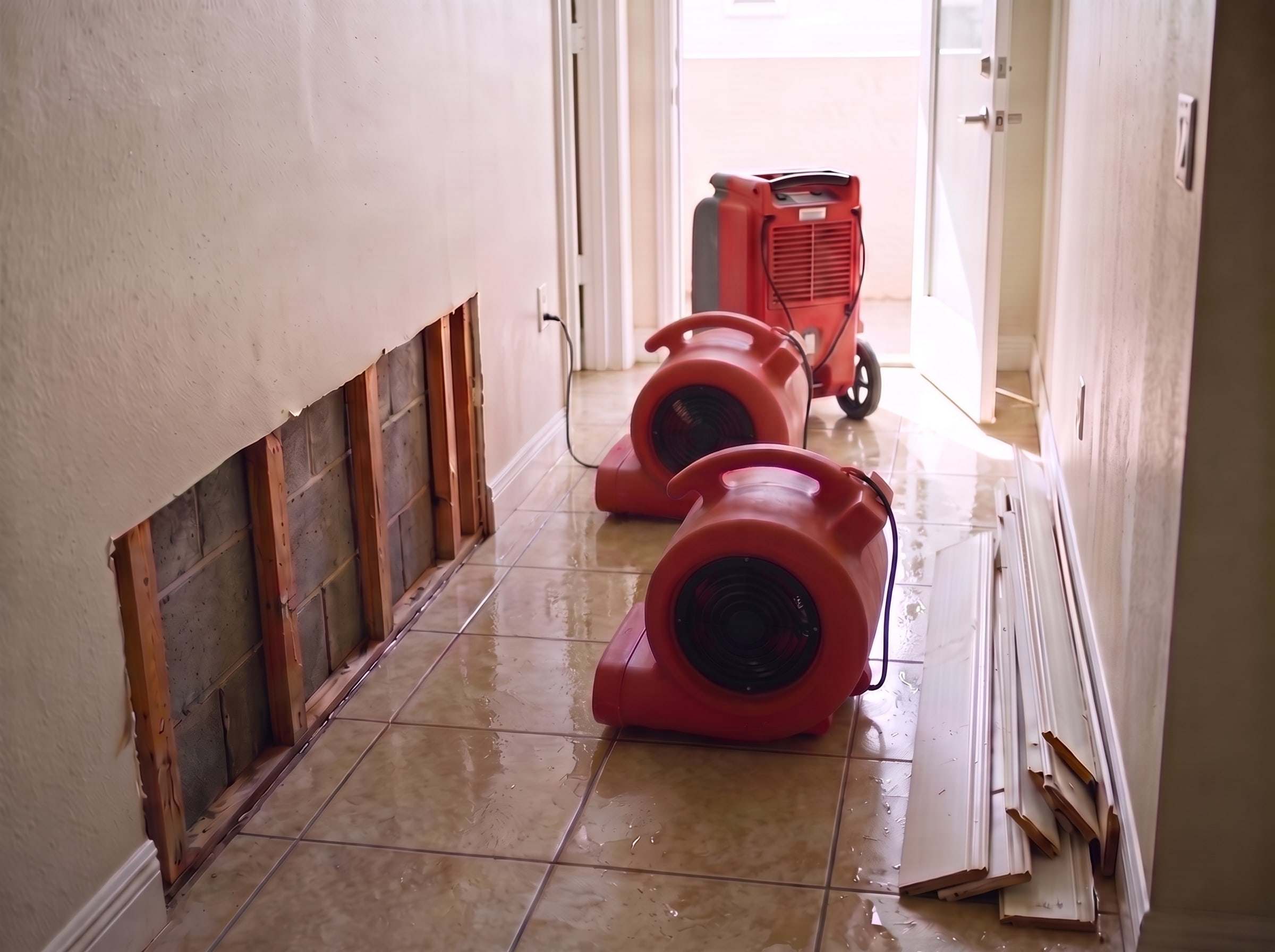
Dehumidification, air movement, and targeted drying for wall cavities, block, slabs, and hardwood, tracked with daily moisture readings.
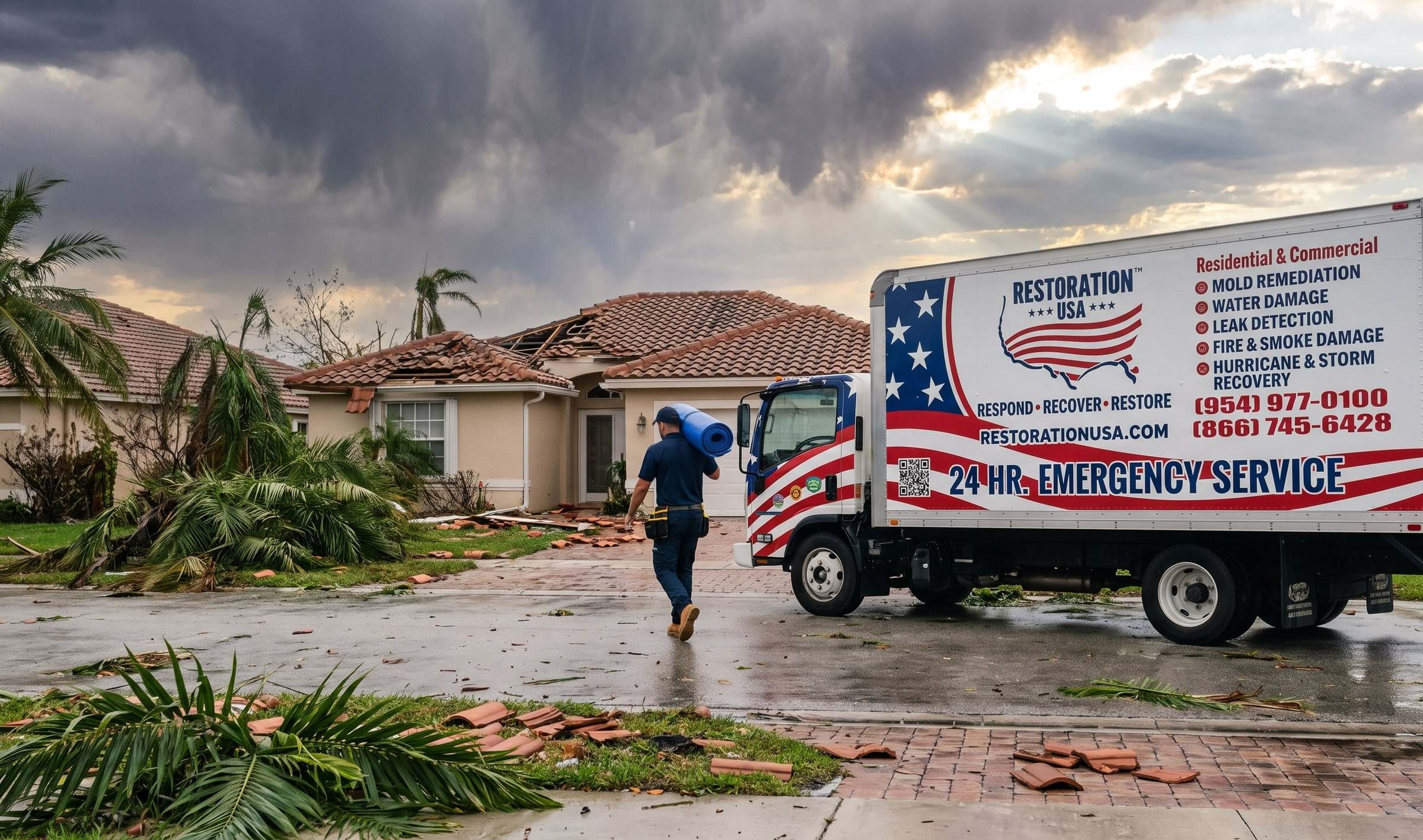
Emergency tarping and board-up, water removal, and drying after hurricanes, tropical storms, and severe thunderstorms, with damage documented for your claim.
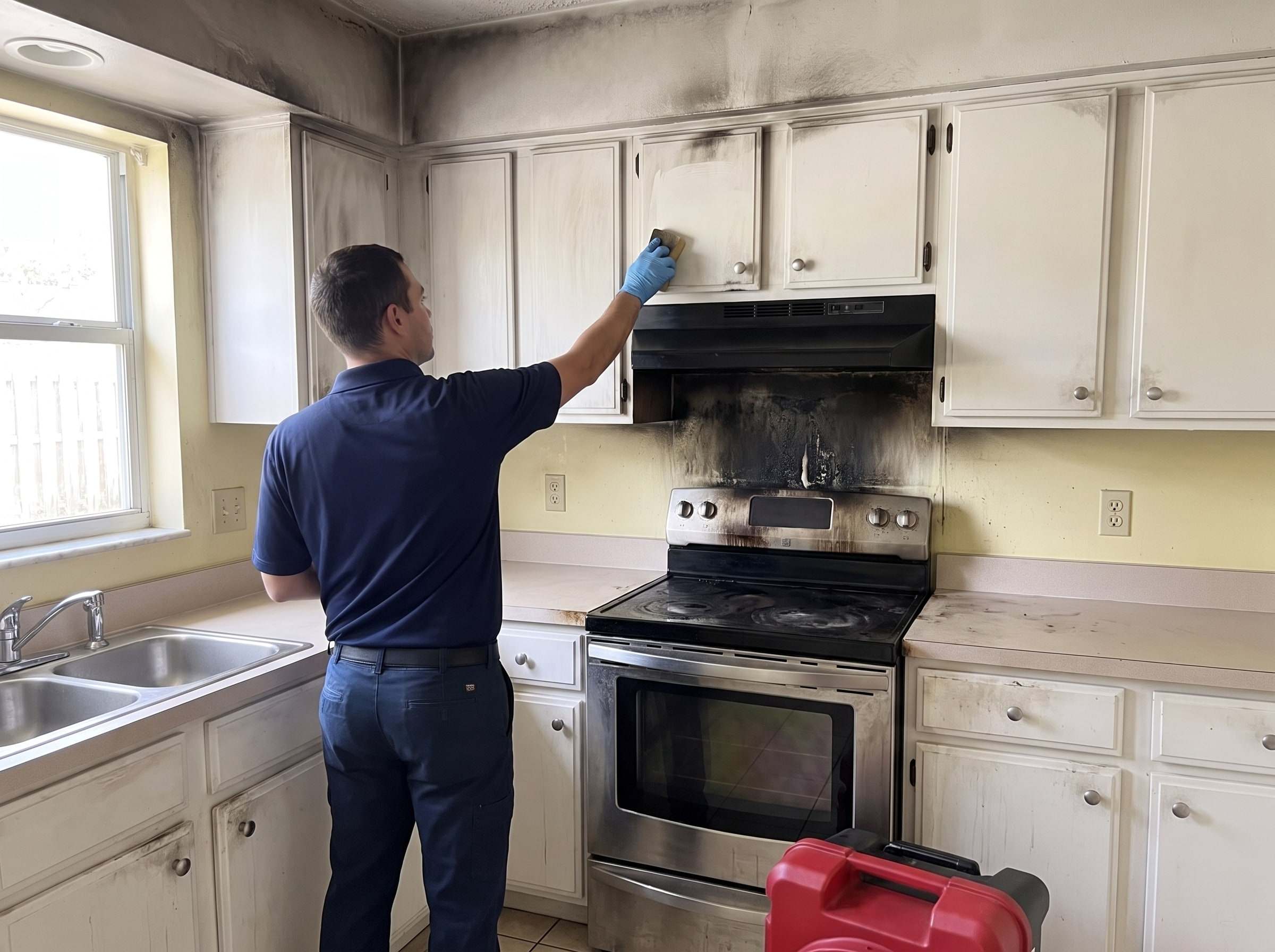
Board-up, soot removal, smoke odor treatment, contents cleaning, and drying of firefighting water after kitchen, electrical, and other fires.
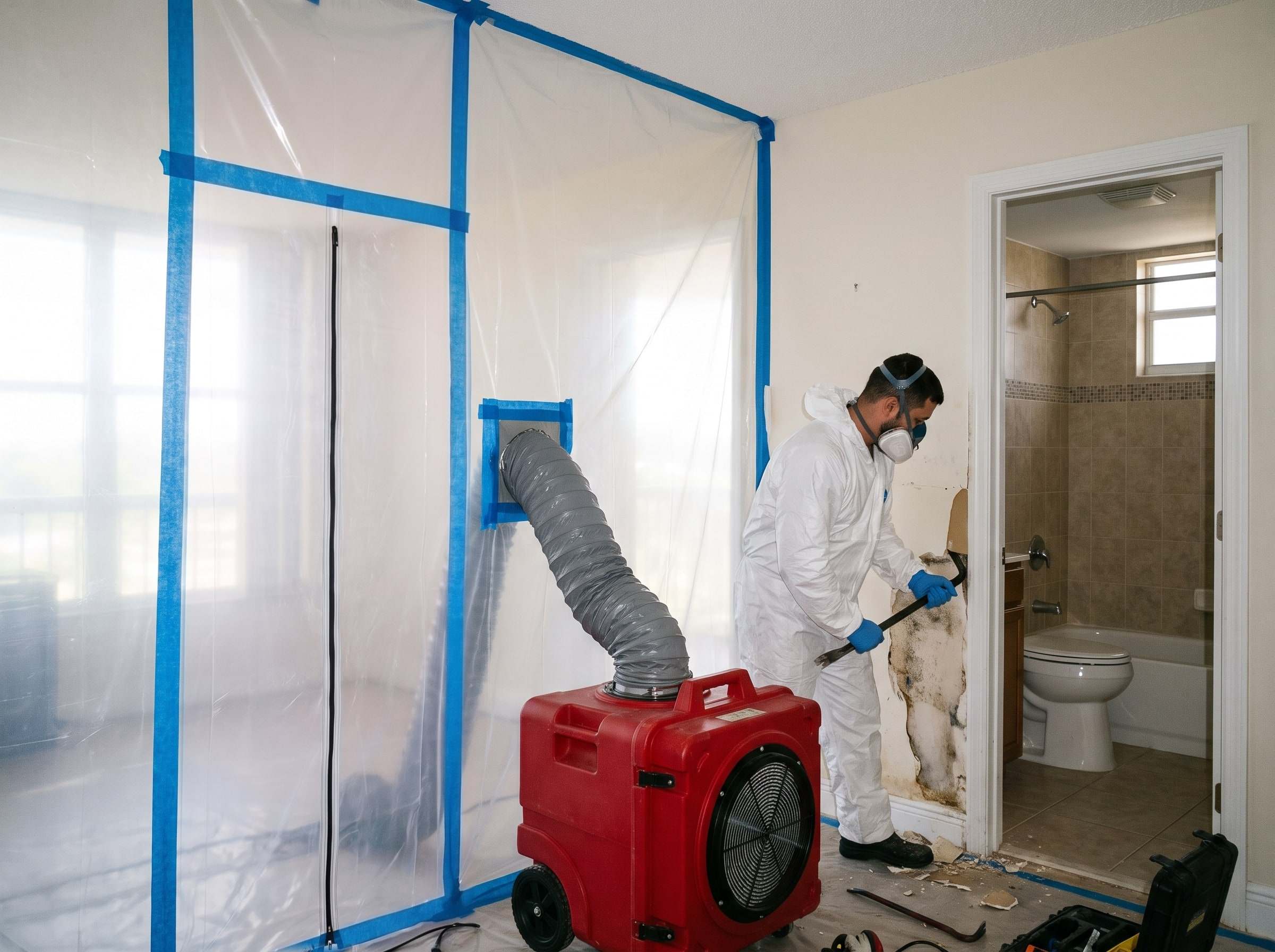
Containment, HEPA filtration, removal of moldy materials, and detailed cleaning to IICRC S520, with the moisture source found and fixed first.
Service areas
We cover Miami-Dade, Broward, and Palm Beach counties. These are some of the cities where we handle commercial most often.
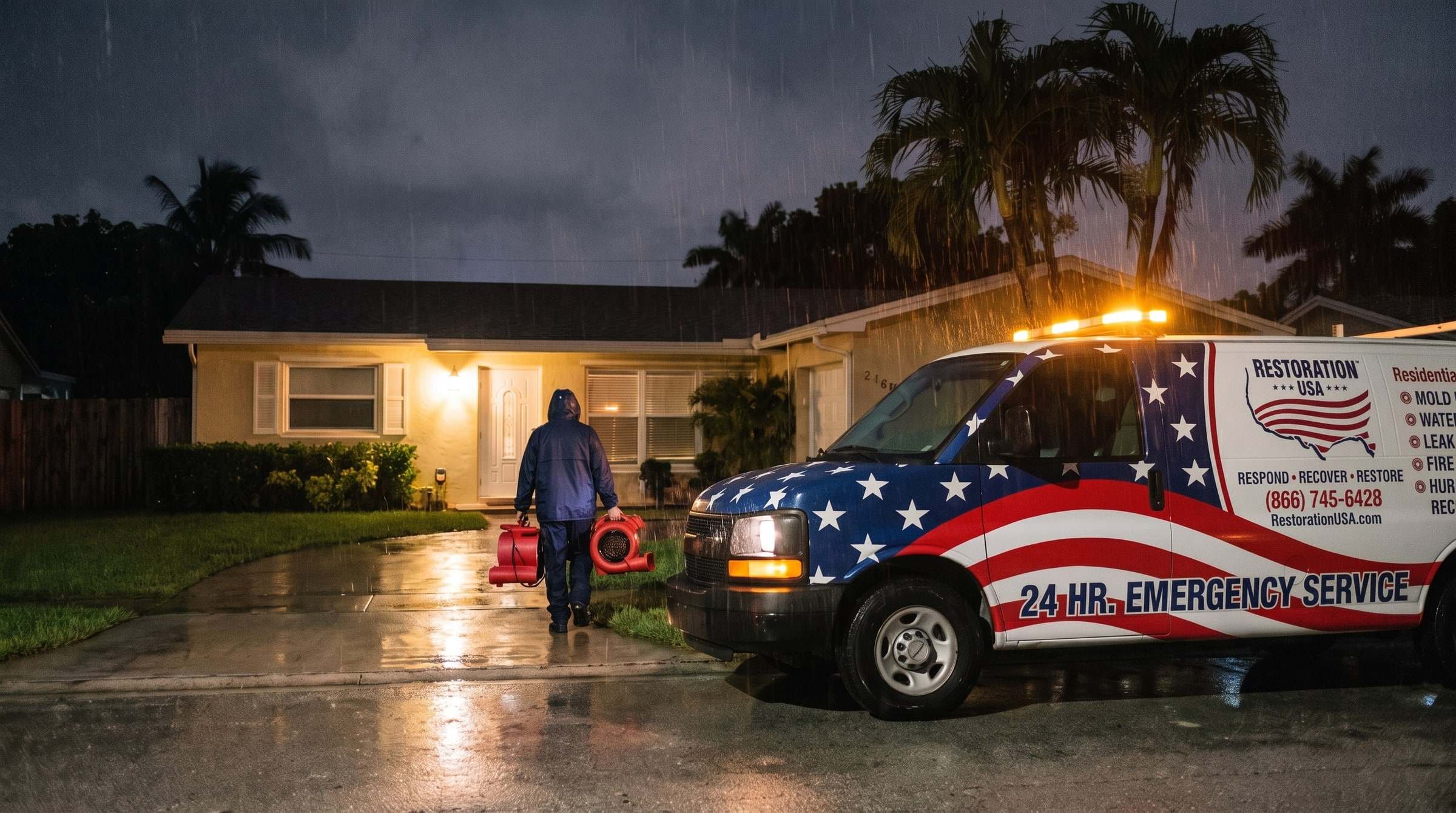
Don't wait. Go with the pros.
Call the 24/7 line. We will help you stop the source, tell you what to move, and get a crew scheduled. Not urgent? Send a request and we will call you back.
Call 24/7 (954) 289-0566On call 24/7
Schedule a no-cost on-site inspection. A restoration specialist will contact you within a few minutes to confirm the details.
Request received
Thank you. A restoration specialist will contact you at the number provided to confirm the details. If water is still coming in, call now and we'll walk you through shutting it off.
(954) 289-0566Recognized by