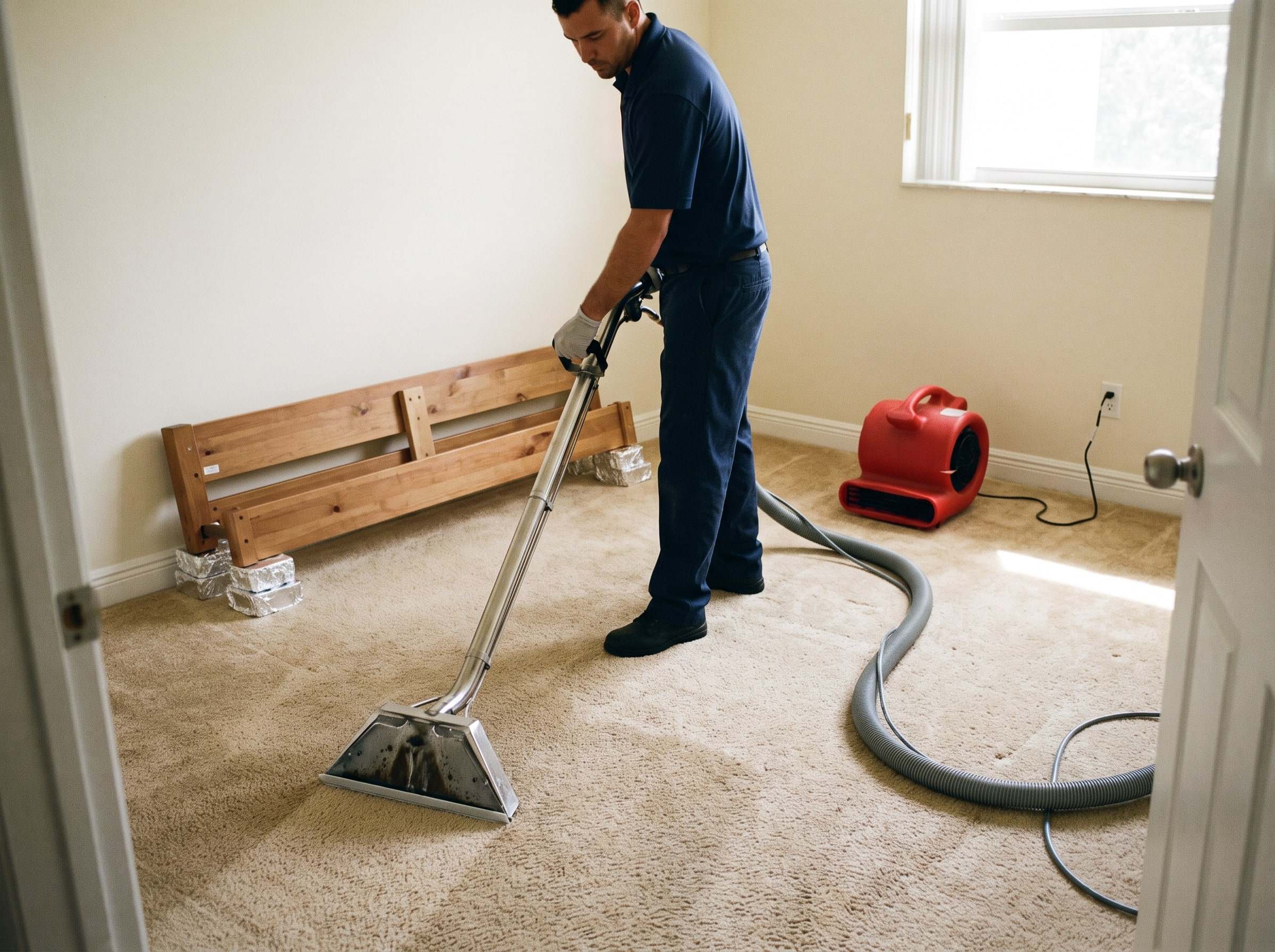
Emergency Water Removal & Extraction
Pumping, truck-mount and portable extraction, and weighted carpet extraction that get standing and absorbed water out before it spreads to walls and the unit below.
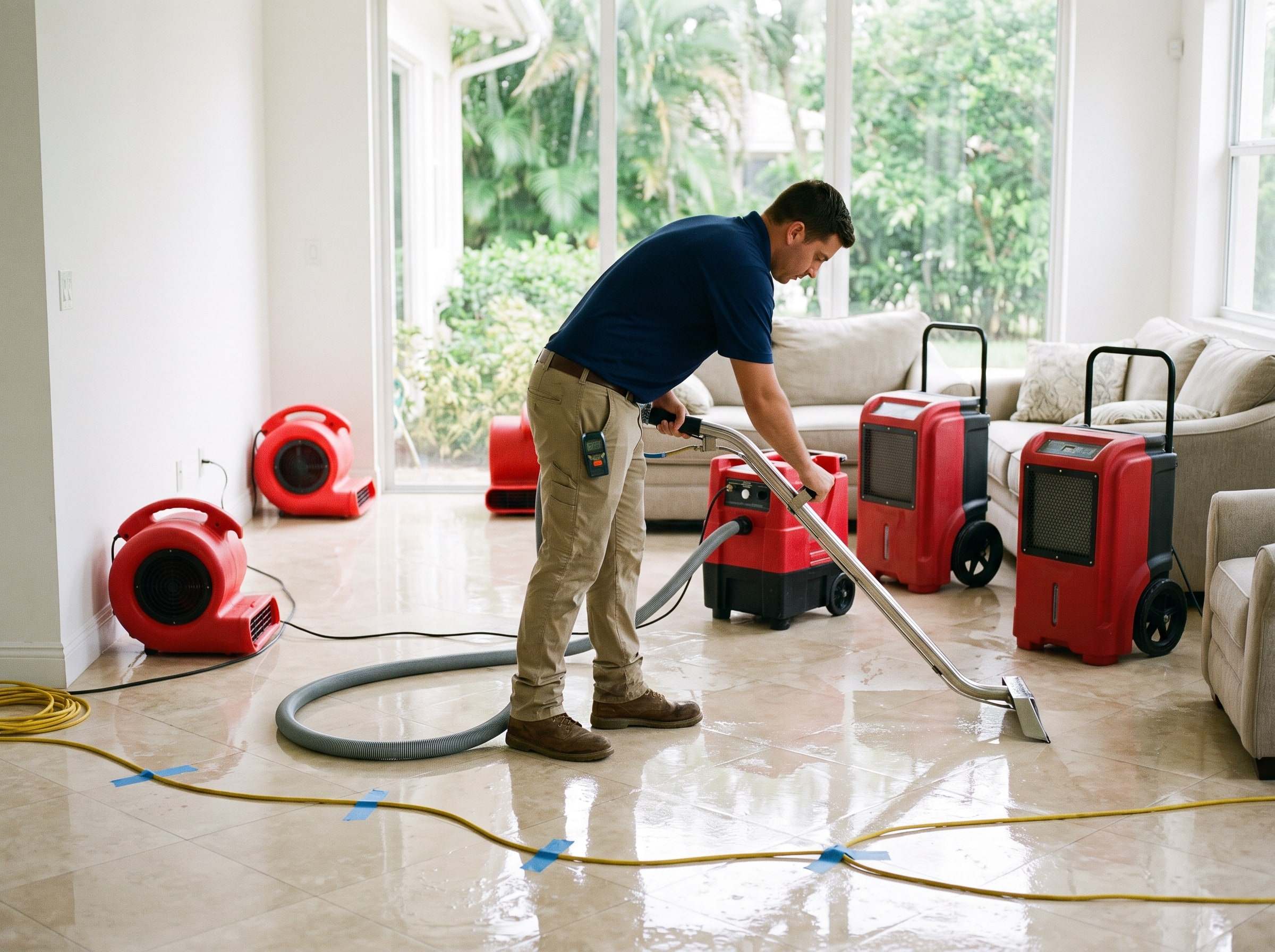
Flood damage cleanup
Water from the street, a canal, or the ocean is contaminated from the moment it crosses your threshold. We pump it out, cut away what it soaked, sanitize the structure, and dry what remains to measured readings.
On call 24/7
Schedule a no-cost on-site inspection. A restoration specialist will contact you within a few minutes to confirm the details.
Request received
Thank you. A restoration specialist will contact you at the number provided to confirm the details. If water is still coming in, call now and we'll walk you through shutting it off.
(954) 289-0566Recognized by





A flood loss is water that rose into the building from outside: storm surge, an overflowing canal, a king tide pushing up through storm drains, or rain the streets could not carry away. It picks up soil, sewage, fuel, and lawn chemicals on the way in, so the IICRC classifies it as Category 3, meaning grossly contaminated, no matter how clear it looks.
That classification changes the job. Porous materials that floodwater touched, such as carpet, pad, drywall, insulation, and particleboard cabinet bases, are generally removed rather than dried. Drywall comes out with a "flood cut," a straight line above the highest wet point, so new sheets go back in cleanly. Then the structure is cleaned, sanitized, and dried.
Salt adds a South Florida complication. Surge and tidal water leave salt in concrete block and the slab, and salt pulls moisture from humid air, so a wall can keep reading damp after it should be dry. It also corrodes nails, outlet boxes, and appliance parts. Surfaces that saw salt water are rinsed and cleaned before drying begins.
What to look for
Floodwater marks its high point on the wall. The drywall above that mark has usually wicked moisture several inches higher.
A film of mud or sand at the base of walls and under furniture means water sat there. It has to be cleaned off, not just dried.
MDF and particleboard soak up floodwater and swell. Doors that stick or cabinet bases that bulge have taken on water.
In block homes, drywall on exterior walls is fastened to furring strips with insulation behind it. That cavity traps water and has to be opened.
A sour, sewer, or gasoline smell means the water carried contaminants inside, even if it looked clean coming in.
After salt water dries it can leave a white residue on block and tile, and rust on fasteners, hinges, and appliance parts.
Our process
Floodwater is handled as Category 3 water from the first step to the last.
We confirm power to flooded rooms is off at the breaker and look for structural damage and gas odors before anyone walks through. If water reached outlets or the panel, an electrician should check them before power is restored.
Every room is photographed at the water line, along with contents and materials before removal. If your flood adjuster wants samples of removed carpet or other materials, we set them aside.
Pumps and extractors pull out remaining water. Mud, sand, and debris are shoveled and squeegeed out before cleaning starts.
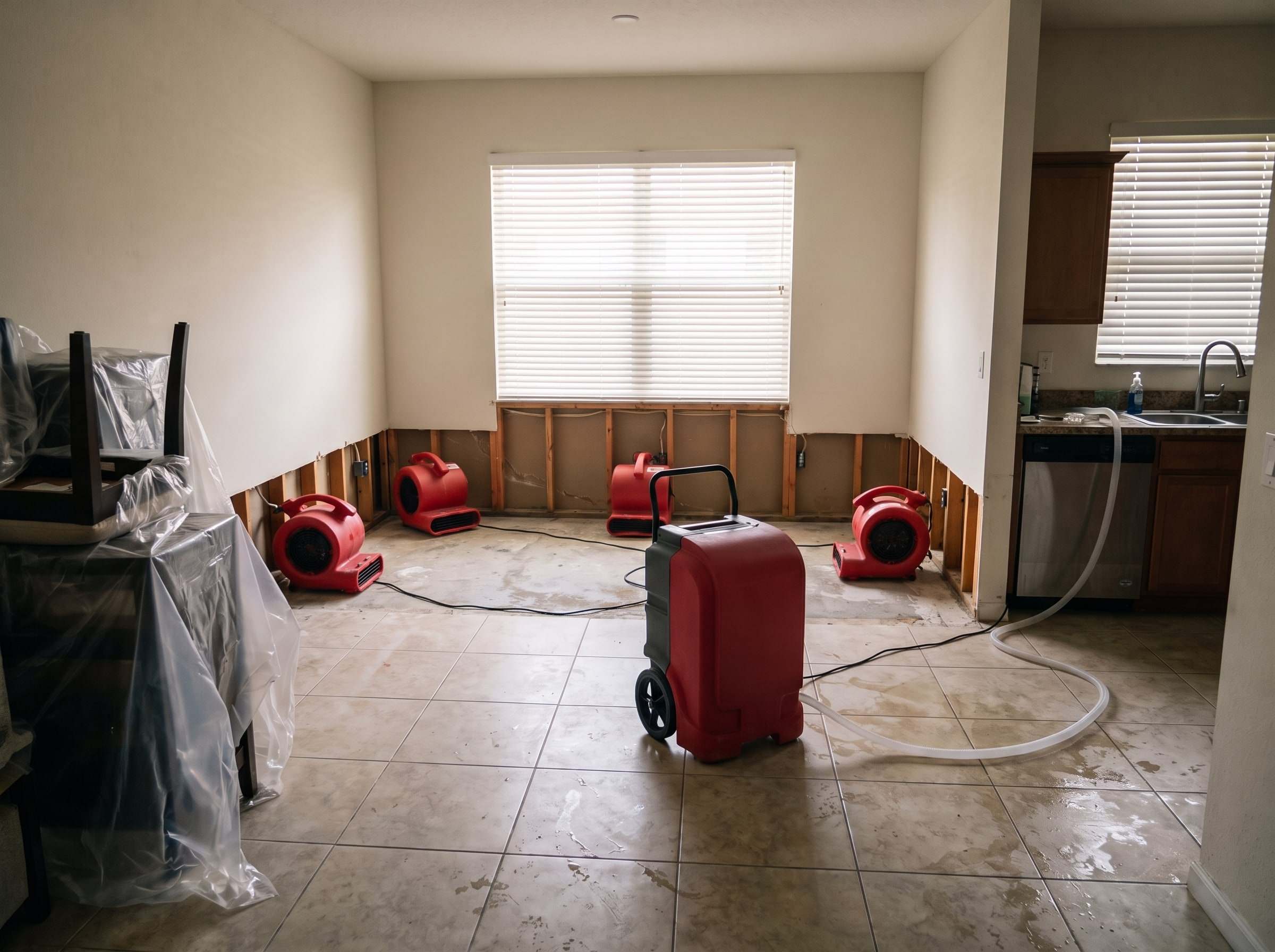
Wet drywall, insulation, carpet and pad, swollen baseboards, and cabinet bases are removed. Drywall is cut level, above the highest wet reading, to keep the rebuild simple.
Exposed framing, block, the slab, and salvageable hard surfaces are cleaned and treated with antimicrobial products. Areas that took on salt water are rinsed first.
Dehumidifiers and air movers run until the slab, block, and framing reach normal readings. Masonry that sat in water dries slowly, so we measure instead of estimating.
You receive photos, moisture logs, and a scope that separates building items from contents. Repairs start once the structure is confirmed dry.
Types and causes
Rain that falls faster than streets and swales can drain it. The April 12, 2023 storm dropped about 26 inches on Fort Lauderdale in roughly a day, far more than the drainage system could carry.
Ocean water driven ashore by a hurricane or tropical storm. It is salt water, carries heavy debris, and reaches beachfront and Intracoastal properties first.
The year's highest tides, usually in the fall, can push water up through storm drains and over low seawalls in waterfront neighborhoods on sunny days.
Inland communities built around canals and retention lakes can flood when water levels stay high through days of rain.
When the ground and the storm system are saturated, water can rise through floor drains, showers, and toilets inside the house.
Timing
Contaminated water keeps soaking into the building while it stands, and the bacteria it carries keep multiplying after it drains.
Drywall, insulation, and cabinet bases absorb contaminated water, and bacteria from soil and sewage spread across wet surfaces.
Mold can begin on wet drywall and wood. Silt and salt dry onto surfaces and get harder to clean.
Swollen materials come apart, trim and framing can warp, and metal fasteners and outlet boxes start to corrode.
Growth spreads inside wall cavities, more of the structure has to come out, and the job becomes mold remediation as well as flood cleanup.
Why Restoration USA
We follow IICRC procedures for Category 3 water, so nothing floodwater soaked is simply dried and left in the wall.
Dated photos of the water line, moisture logs, and a scope split between building and contents, the way flood policies are written.
After a regional flood, call early. We will tell you when a crew can reach you and what to do until then.
Single-family homes, ground-floor condos, retail bays, and warehouses that took on water from the street.
Reviews
These guys are AWESOME. We had a huge flood in our house and they handled everything from packing up our contents, drying out our home and restoring our home like nothing ever happened. They were very professional and brought our home back to normal in the time that they promised and we agreed on. I highly recommend them for all your restoration needs. Cheers
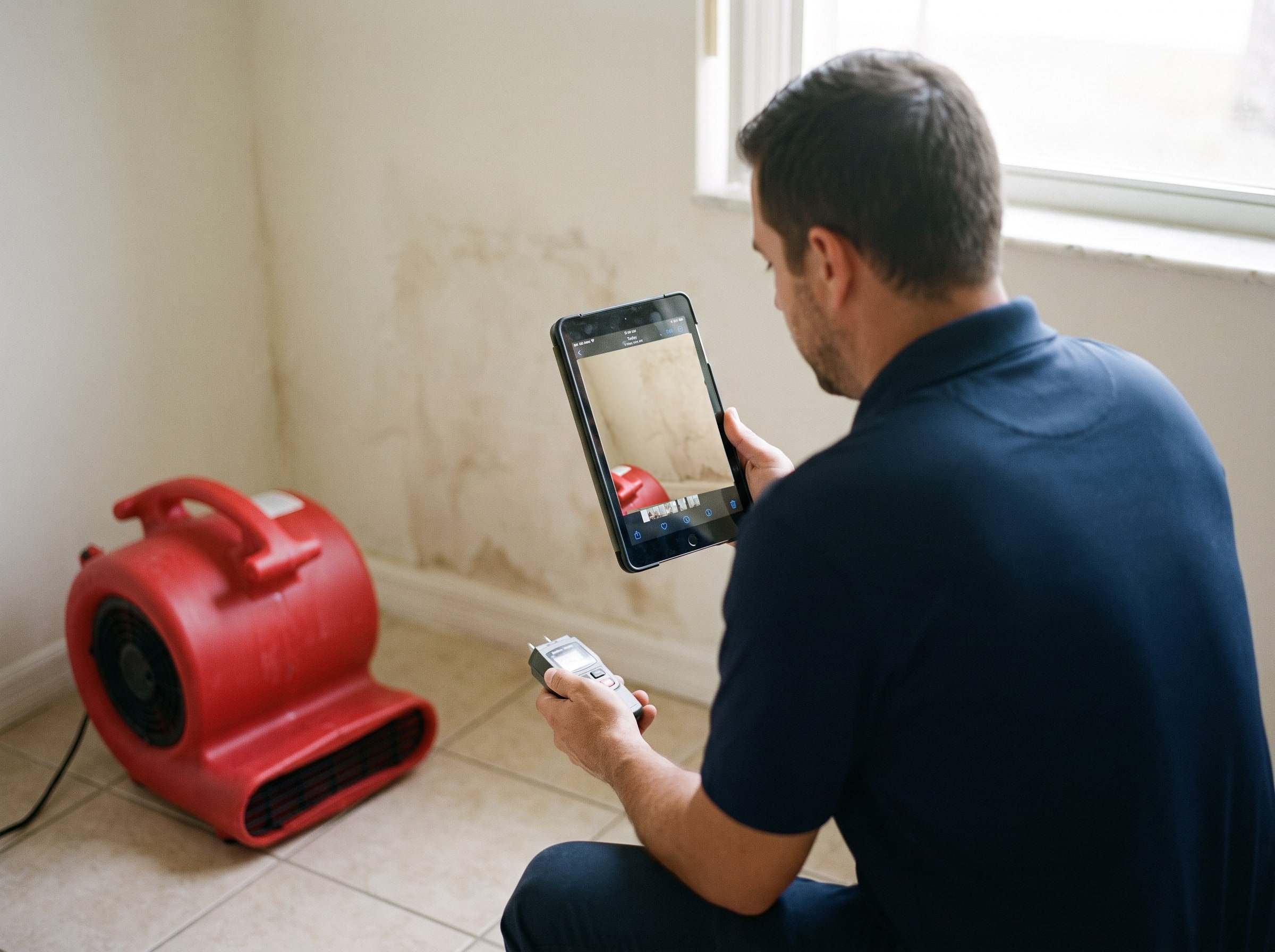
★ Every job is documented: photos, readings, and an itemized scope.
Insurance
A standard homeowners policy usually excludes flooding from rising water, including storm surge, overflowing canals, and street flooding. That coverage comes from a separate flood policy, through the National Flood Insurance Program (NFIP) or a private flood insurer. Flood policies typically split building coverage from contents coverage, and NFIP policies do not pay for temporary housing.
Water that came in because wind tore the roof or broke a window is often handled under your homeowners or windstorm coverage instead, so how the water entered matters. We record the entry points, the water line in each room, and every item removed. You open the claim with your carrier; flood policies have their own deadlines, including a signed proof of loss, so report the damage promptly.
Carriers we've worked with: Citizens Property Insurance, Universal Property & Casualty, Tower Hill Insurance, State Farm, Allstate, USAA, and many more. We are not affiliated with or endorsed by any insurance company.
Coverage decisions belong to your insurer and depend on your policy. Florida does not allow assignment of benefits on property policies issued on or after January 1, 2023, so you stay in control of your claim.
How water damage claims work in FloridaFAQ
Not the materials floodwater soaked. Carpet, pad, drywall, insulation, and particleboard that sat in Category 3 water hold contamination that drying does not remove, so they are taken out. Tile, concrete block, the slab, and most solid wood framing can be cleaned, sanitized, and dried in place.
Above the highest point where our meters find moisture, not just above the visible stain, because drywall wicks water upward. The cut usually lands at a height that matches standard drywall sheets, which keeps the repair simpler. Where water wicked higher, the cut goes higher.
Wait until power to the flooded area is off and someone has checked for structural damage and gas leaks. Wear rubber boots and gloves, keep children and pets out, and do not touch electrical equipment that was under water. Have a licensed electrician inspect wet outlets, wiring, and appliances before they are used again.
If you carry a flood policy, it applies regardless of your zone; the zone affects whether a lender requires the policy and what it costs. Without one, rising water is usually excluded from homeowners coverage. New NFIP policies generally take effect after a 30-day waiting period, so a policy bought once a storm is forecast will not cover that storm.
Hard, non-porous items such as metal, glass, and sealed plastic can usually be cleaned and sanitized. Upholstered furniture, mattresses, pillows, and stuffed items that soaked in floodwater are generally discarded. Photograph and list everything before it goes to the curb, because flood contents claims are itemized.
Related services
Pumping, truck-mount and portable extraction, and weighted carpet extraction that get standing and absorbed water out before it spreads to walls and the unit below.
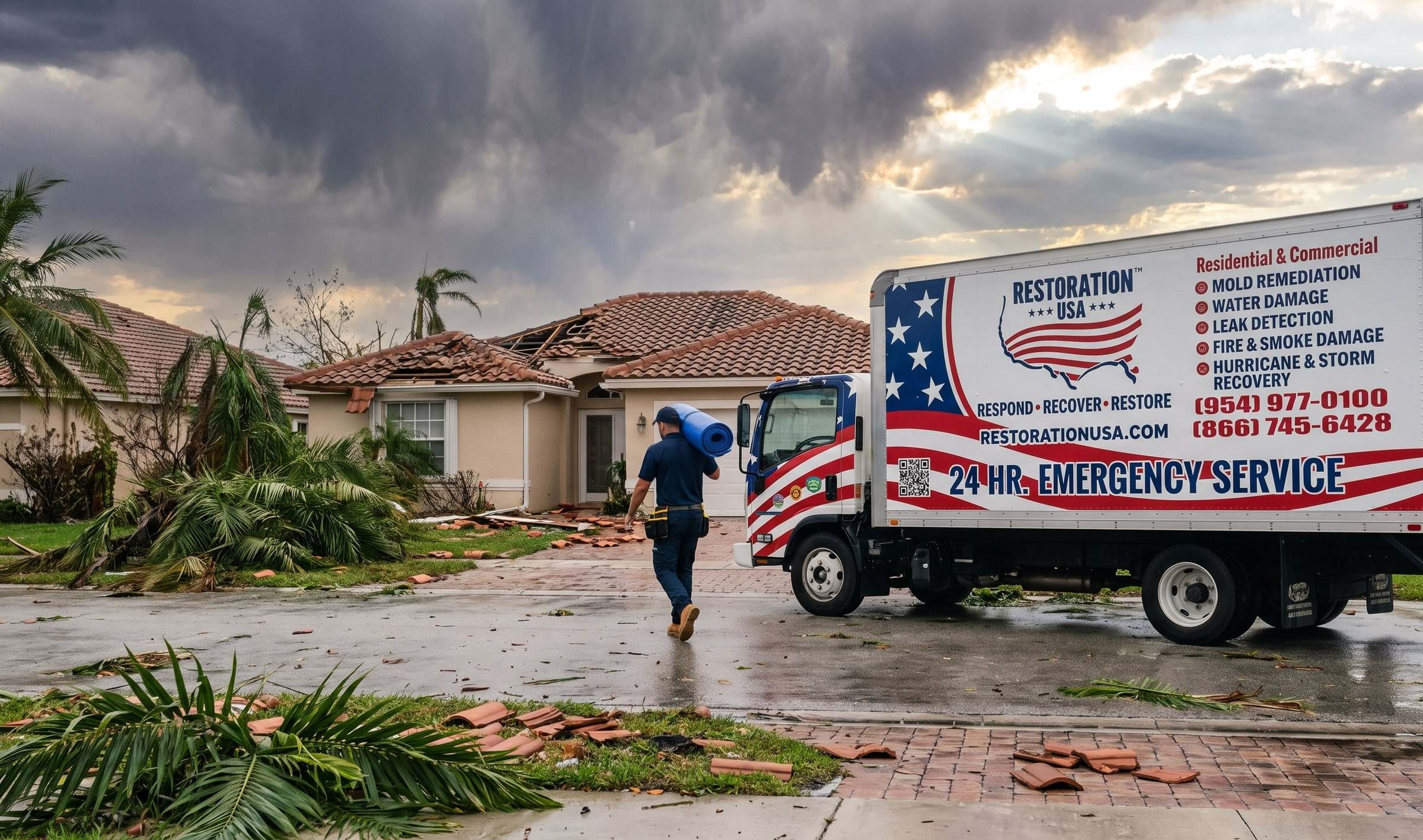
Emergency tarping and board-up, water removal, and drying after hurricanes, tropical storms, and severe thunderstorms, with damage documented for your claim.
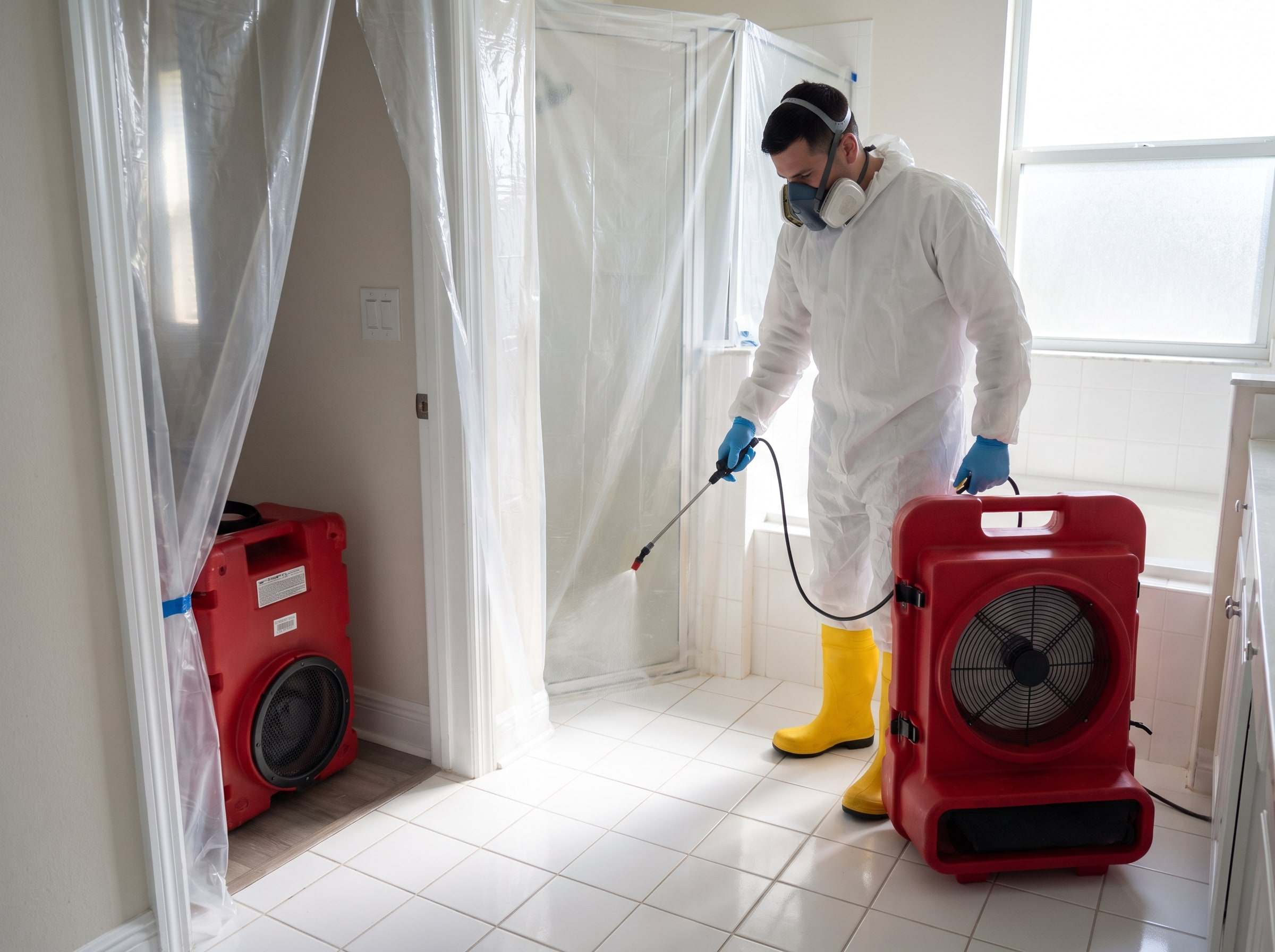
Containment, removal, sanitizing, and drying after toilet overflows, main line backups, septic failures, and cast-iron drain leaks.
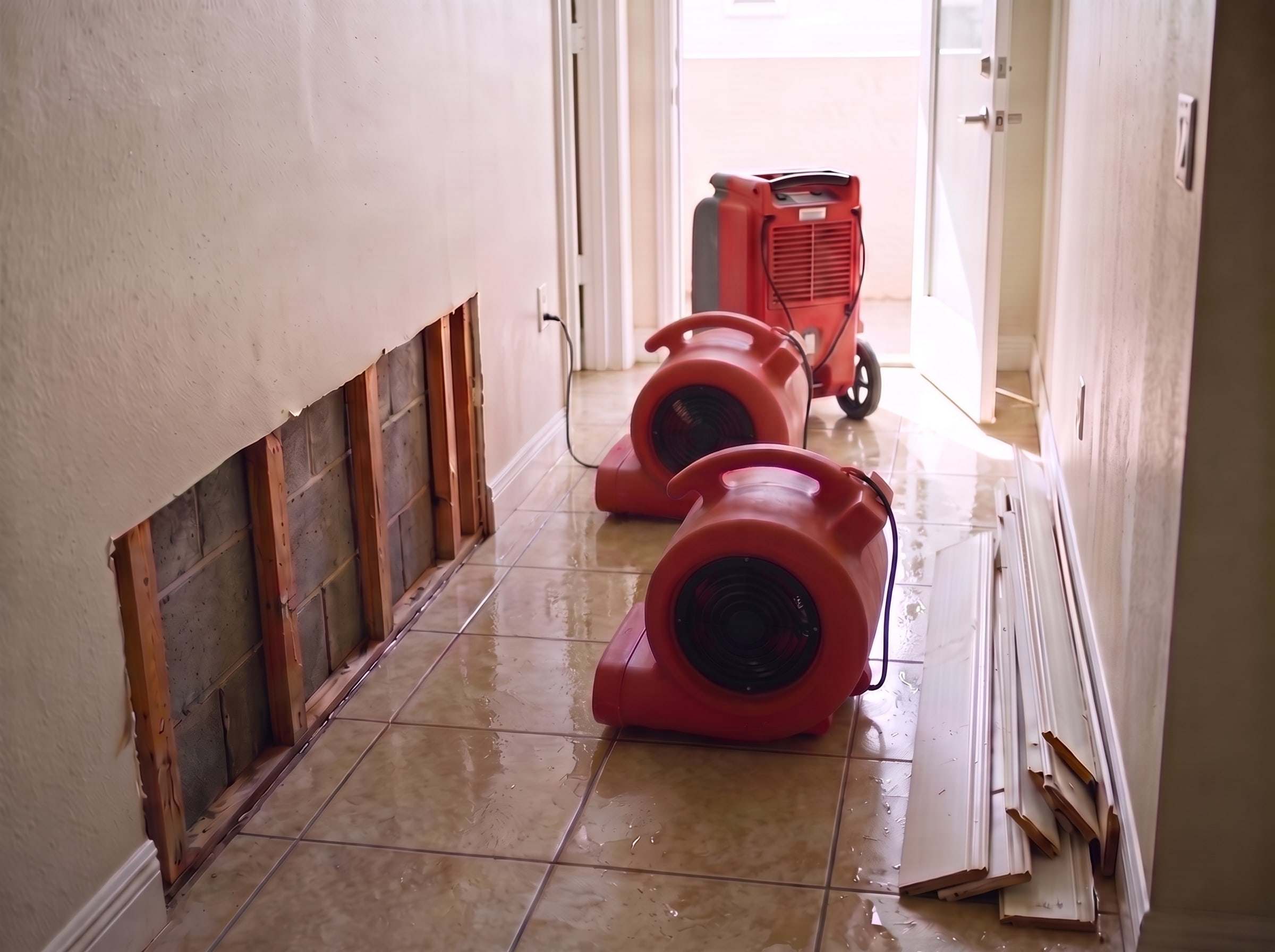
Dehumidification, air movement, and targeted drying for wall cavities, block, slabs, and hardwood, tracked with daily moisture readings.
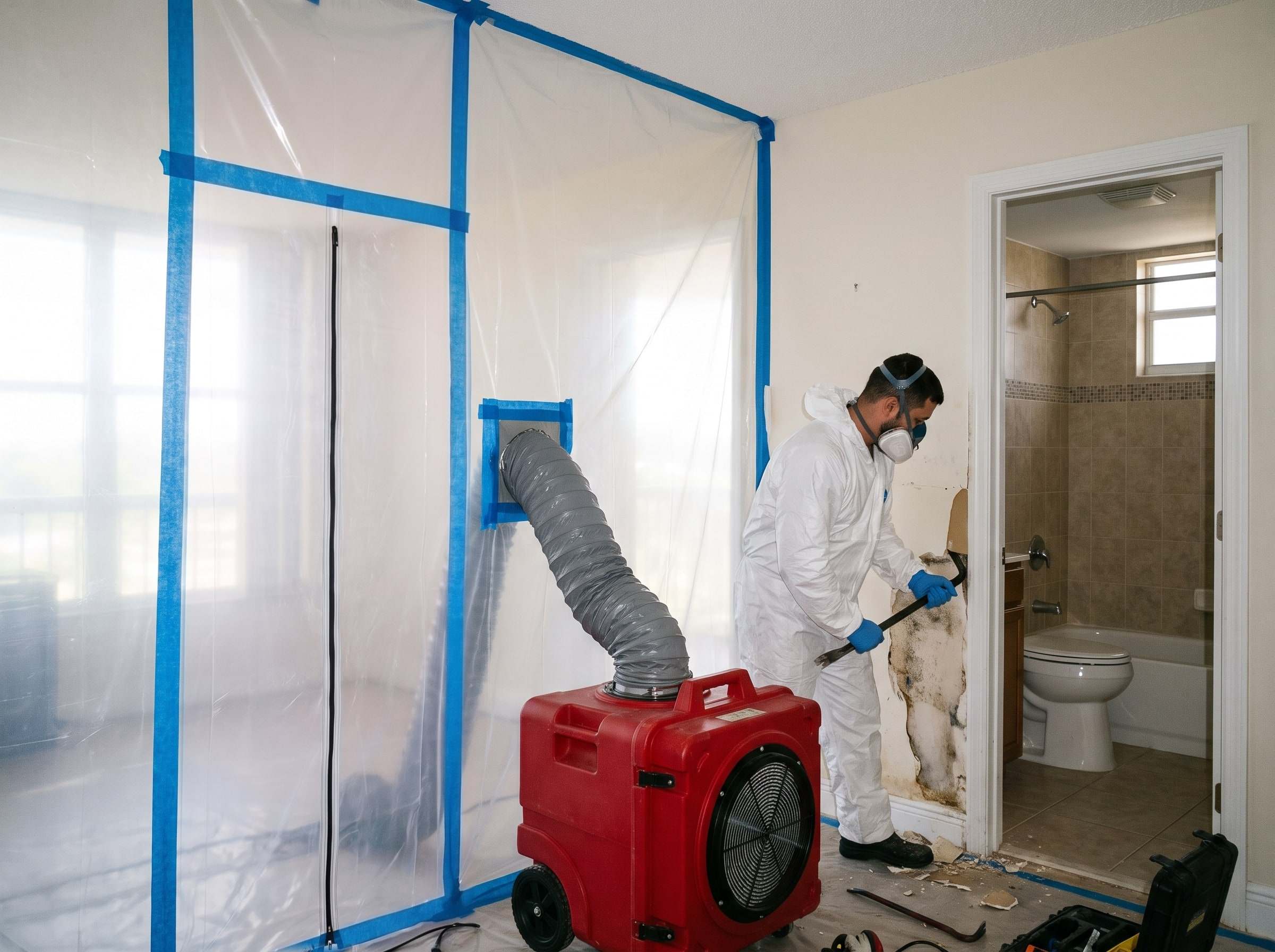
Containment, HEPA filtration, removal of moldy materials, and detailed cleaning to IICRC S520, with the moisture source found and fixed first.
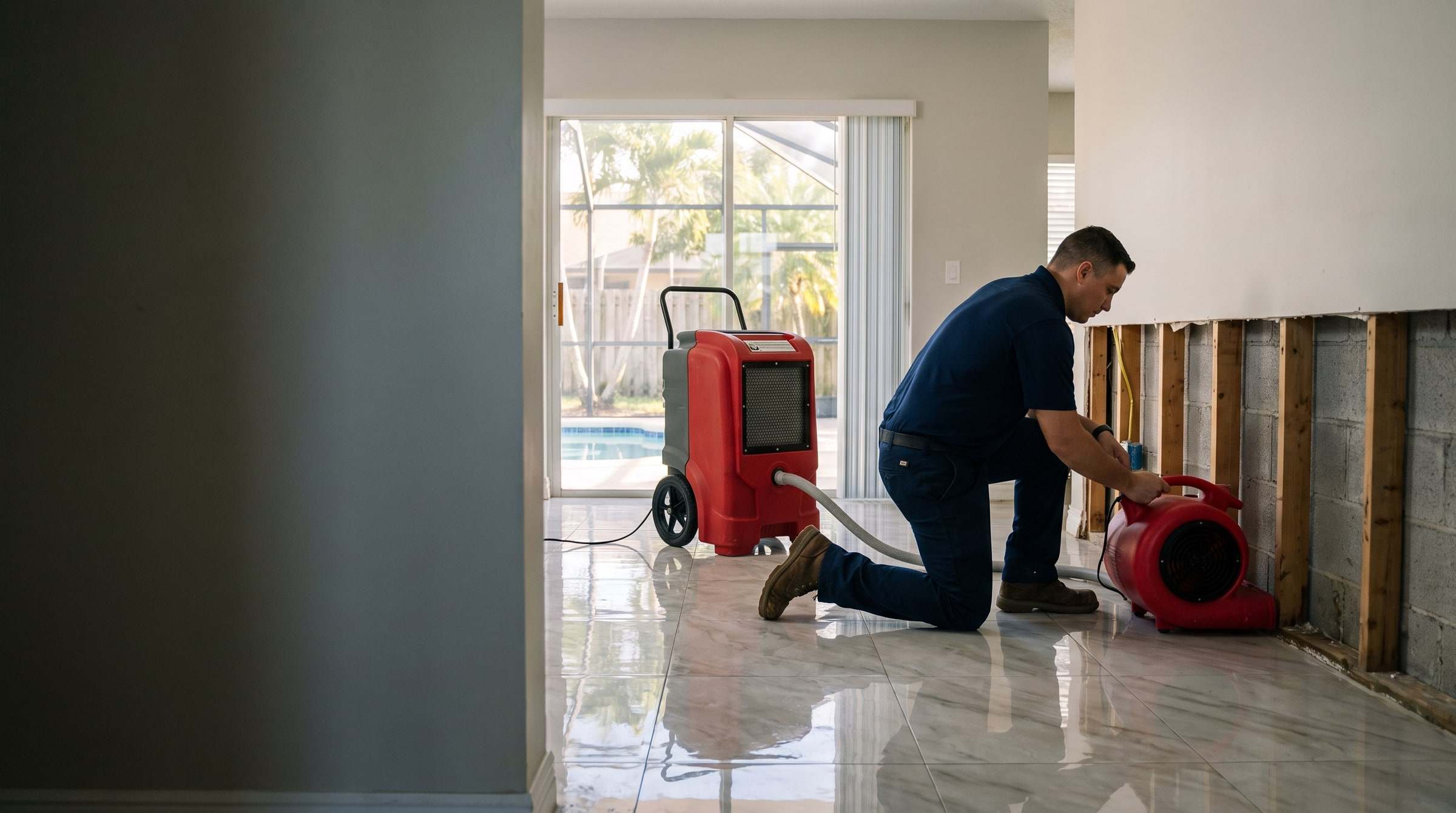
Extraction, moisture mapping, and structural drying for leaks, overflows, and floods, with documentation your adjuster can use.
Service areas
We cover Miami-Dade, Broward, and Palm Beach counties. These are some of the cities where we handle flood damage most often.
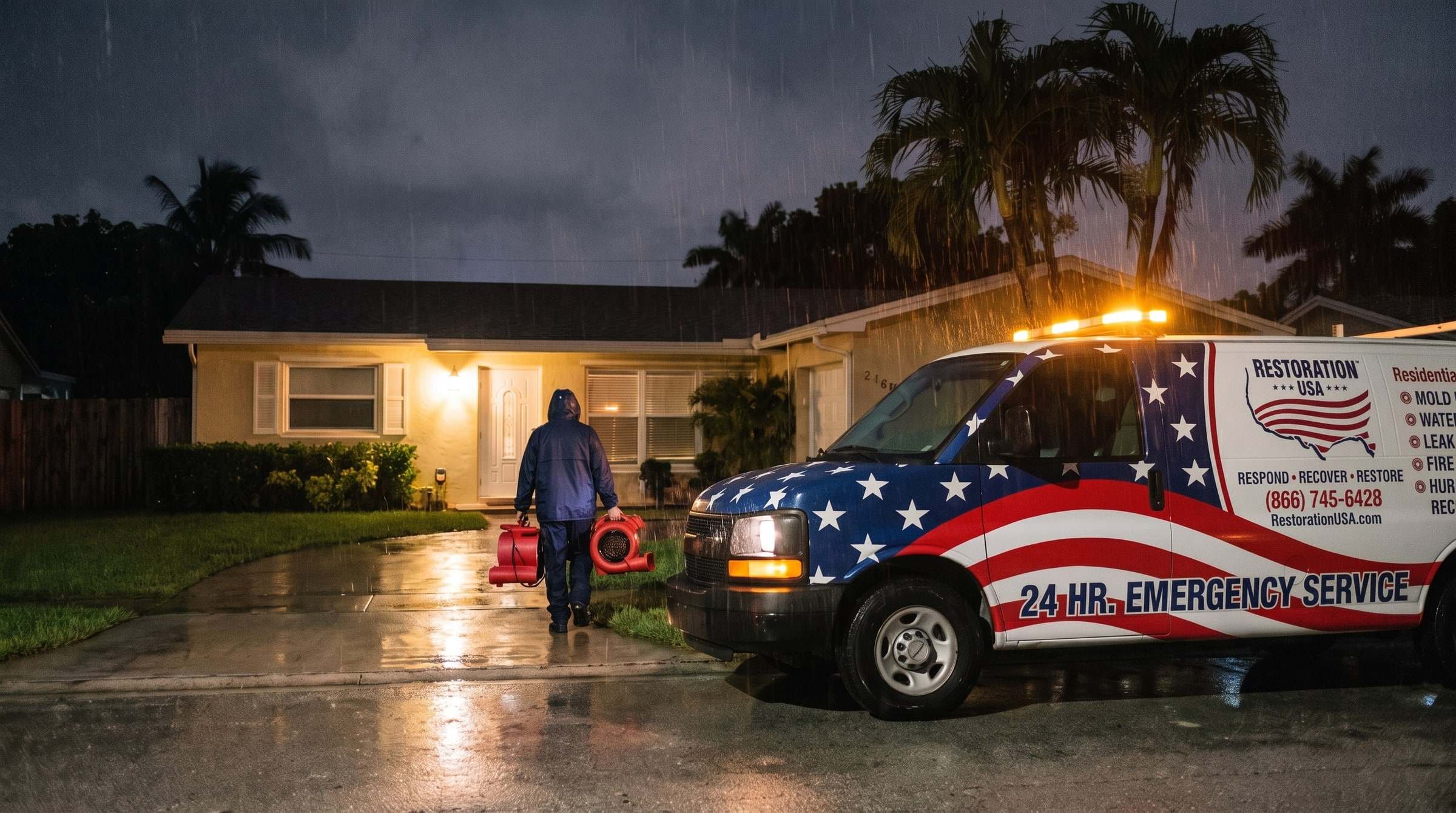
Don't wait. Go with the pros.
Call the 24/7 line. We will help you stop the source, tell you what to move, and get a crew scheduled. Not urgent? Send a request and we will call you back.
Call 24/7 (954) 289-0566On call 24/7
Schedule a no-cost on-site inspection. A restoration specialist will contact you within a few minutes to confirm the details.
Request received
Thank you. A restoration specialist will contact you at the number provided to confirm the details. If water is still coming in, call now and we'll walk you through shutting it off.
(954) 289-0566Recognized by