
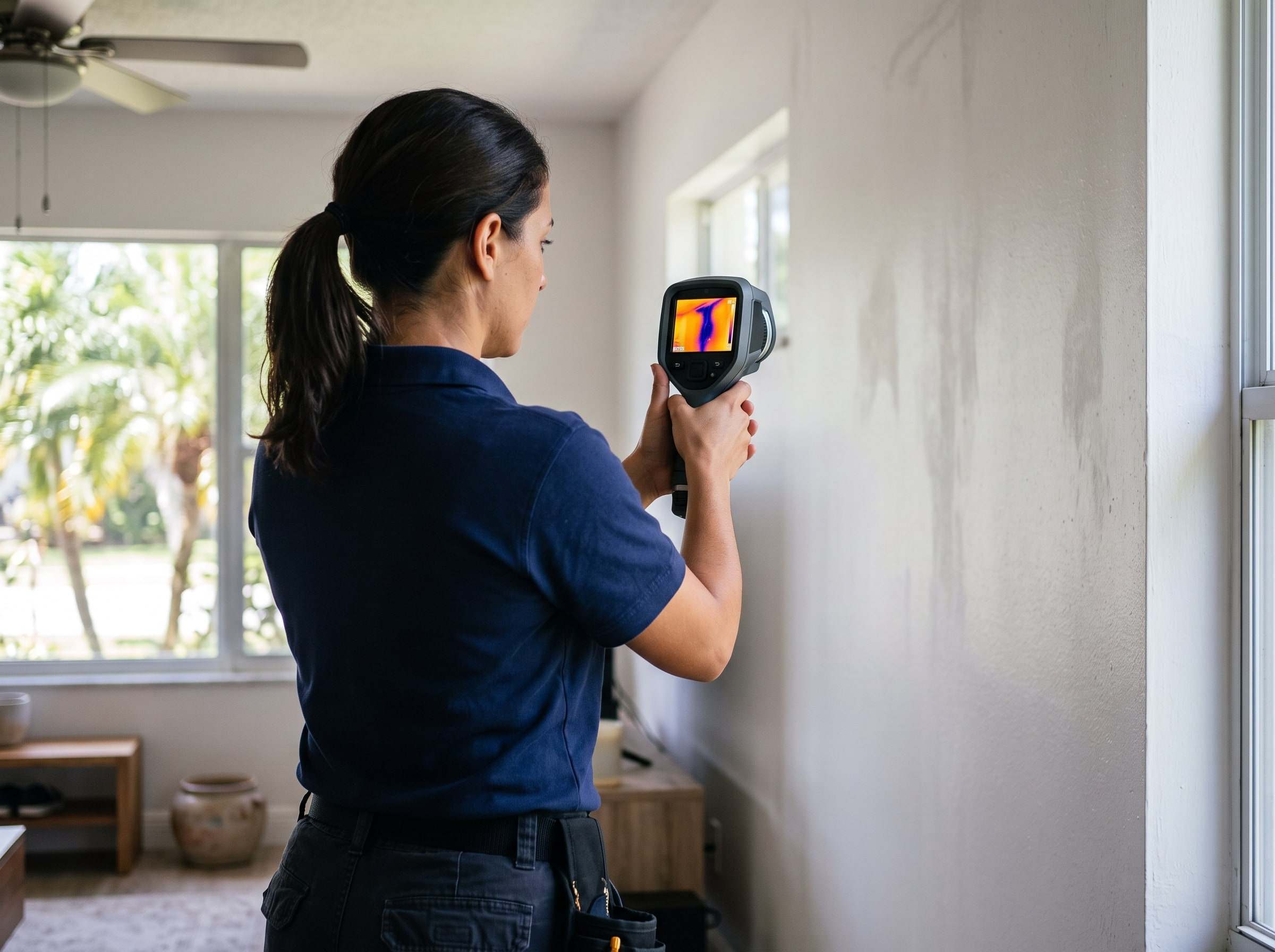
Leak Detection
Non-invasive detection for slab, wall, irrigation, and roof leaks using pressure tests, acoustic equipment, thermal imaging, and video pipe inspection.
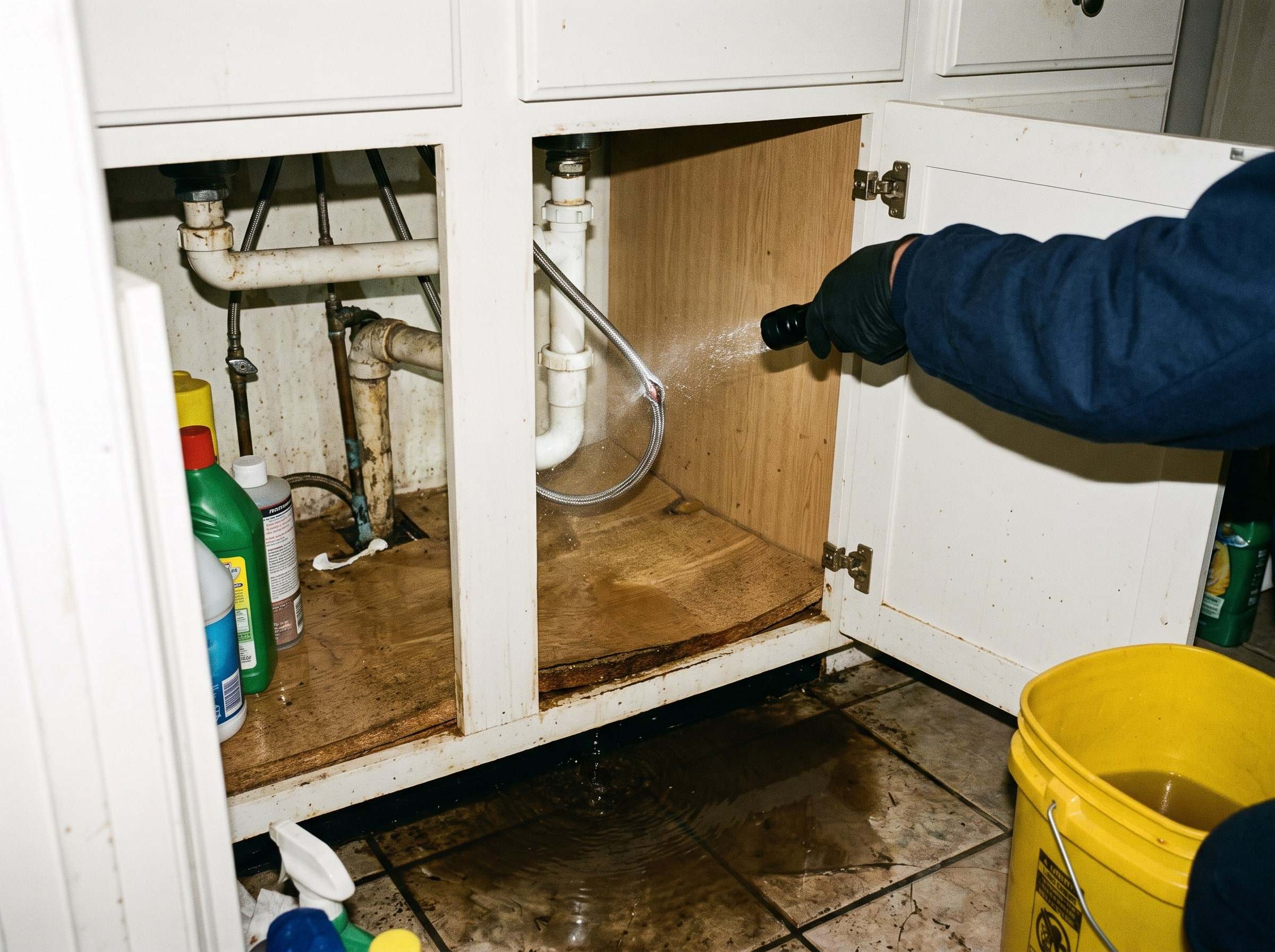
Burst pipes and plumbing leaks
Your plumber fixes the pipe. We take care of everything the water reached: the wall cavity, the cabinets, the slab, and sometimes the unit next door.
On call 24/7
Schedule a no-cost on-site inspection. A restoration specialist will contact you within a few minutes to confirm the details.
Request received
Thank you. A restoration specialist will contact you at the number provided to confirm the details. If water is still coming in, call now and we'll walk you through shutting it off.
(954) 289-0566Recognized by





A plumbing leak is two problems: the pipe, and the water that came out of it. A licensed plumber repairs the pipe. We handle the second problem, extracting the water, drying the materials, and repairing the walls, cabinets, and floors the leak damaged.
Supply lines are under constant pressure, so a break inside a wall keeps running until someone closes a valve. Drain leaks are slower but dirtier, and they often go unnoticed until flooring lifts or a smell appears.
Most of the damage from a plumbing leak is out of sight. Water runs down inside the wall, spreads under the cabinet, and follows the slab beneath the flooring. We map it with meters and thermal imaging before anything is removed, so the plumber's access opening does not grow into an unplanned remodel.
What to look for
If the water meter dial or leak indicator keeps turning with every fixture off, water is escaping somewhere in the system.
A patch of tile that feels warm underfoot can point to a hot water line leaking under the slab.
Hissing or trickling inside a wall when nothing is on usually means a pressurized line is leaking.
Discoloration or bubbling paint on the wall behind a toilet, vanity, or kitchen sink, or on the ceiling under a bathroom.
A soft, stained, or swollen base under the sink often means a slow drip from a supply line or drain connection.
A sudden loss of pressure at one fixture or one side of the house can be a sign of a break in that run of pipe.
Our process
We plan our work around the plumber's, before and after the repair.
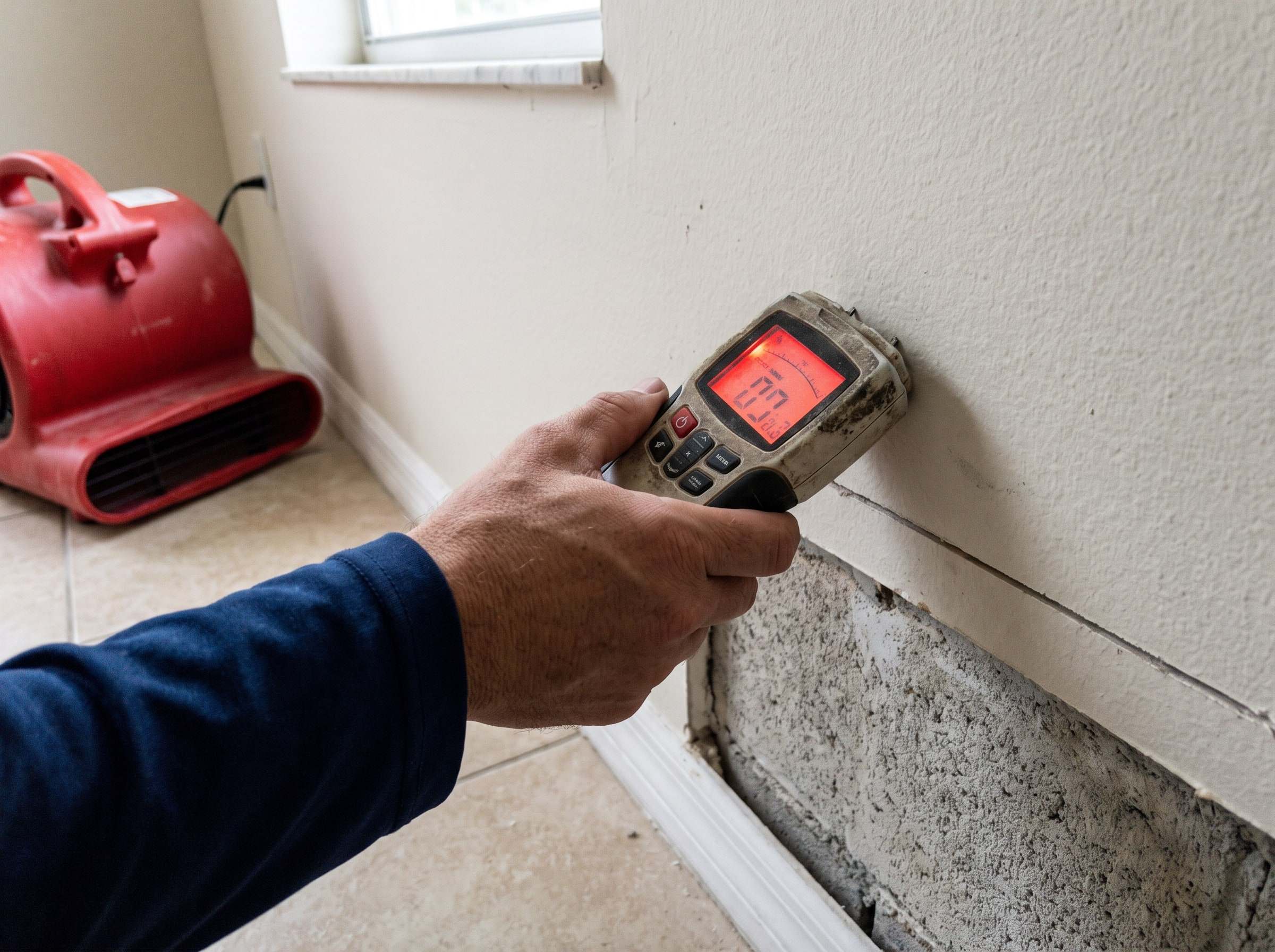
Close the valve at the fixture or the main, then call a licensed plumber for the pipe. We handle the water damage, not the plumbing repair.
We extract standing water and protect rooms that stayed dry. If the leak came from a drain line, the water is treated as contaminated and the area is contained.
Meters and thermal imaging follow the water from the break through wall cavities, under cabinets and flooring, and into adjoining rooms or units.
When the plumber needs a wall or floor open, we plan the opening with them so one cut serves both the repair and the drying.
Wet insulation, swollen baseboards, and drywall that will not dry in place come out. The rest is dried with dehumidifiers, air movers, and wall-cavity drying, with readings every day.
When a line under the floor is repaired through the slab, the concrete and the flooring around the opening are dried and checked before the floor is patched.
You get photos of the break and the damage, moisture logs, and a scope that separates the plumbing repair from the water damage. Repairs follow once the area reads dry.
Types and causes
Braided and plastic supply lines to toilets, sinks, and faucets crack at the fittings or split with age. The plastic coupling nut on a toilet supply line is a frequent culprit.
Older copper pipe can thin from the inside and develop small pinhole leaks that spray inside the wall for a while before a stain appears.
Gray polybutylene supply pipe was installed in some homes built from the late 1970s to the mid-1990s and is prone to failure at the fittings and as it ages.
CPVC turns brittle with age and can crack when bumped. PEX is flexible and durable, but crimp and push-fit connections can fail if they were not installed correctly.
Water lines under or inside the slab can wear through where they rub against concrete. The leak shows up as warm floors, damp tile, or a high water bill.
Older valves under sinks and behind toilets can seize or snap when finally turned, and a corroded main valve may not close all the way.
Timing
A pressurized line does not slow down on its own. How quickly the water is shut off and removed decides whether the damage stays in one room.
A broken supply line flows until a valve is closed. Know where your main shut-off is before you need it; it is usually near the water meter or where the line enters the house.
Water runs down inside the wall, soaks the bottom of the drywall and framing, and spreads under cabinets and flooring into nearby rooms.
Drywall and cabinet bases swell, and mold can begin inside the wall cavity, out of sight.
A pinhole or drain leak that ran for weeks may already have mold and rot behind it, and insurers often treat long-term leaks differently from sudden ones.
Why Restoration USA
Pipes break at night and on holidays. Call any time and we'll help you get the water shut off while a crew is scheduled.
Our documentation keeps the failed pipe and the resulting water damage apart, matching how most policies treat them.
Clean water from a supply line, gray water from a drain, and sewage from a broken waste line each get the handling the IICRC standard calls for.
Licensed and insured in Florida, working in single-family homes, condos, and commercial buildings.
Reviews
This company is absolutely nothing short of amazing! John listens and hears what the needs are and makes sure you feel as important as the next job. They are professional, on time and very catering to the clients needs and time. I have used them for years with 2 different houses. They take the time to walk you through the process and spend time even after in order to make you feel comfortable. They are extremely professional and I feel safe having them in my home. They treated my house as if it was their own. They ensure your family is safe and that is the most important thing. I would highly recommend this company.
Grateful for James and his team! They did an outstanding job helping my elderly father whose living room had gotten wet due to weather conditions! Fast, detailed, and professional, with a caring spirit!!! Would highly recommend Restoration USA!! Great job again!!!
These guys are AWESOME. We had a huge flood in our house and they handled everything from packing up our contents, drying out our home and restoring our home like nothing ever happened. They were very professional and brought our home back to normal in the time that they promised and we agreed on. I highly recommend them for all your restoration needs. Cheers
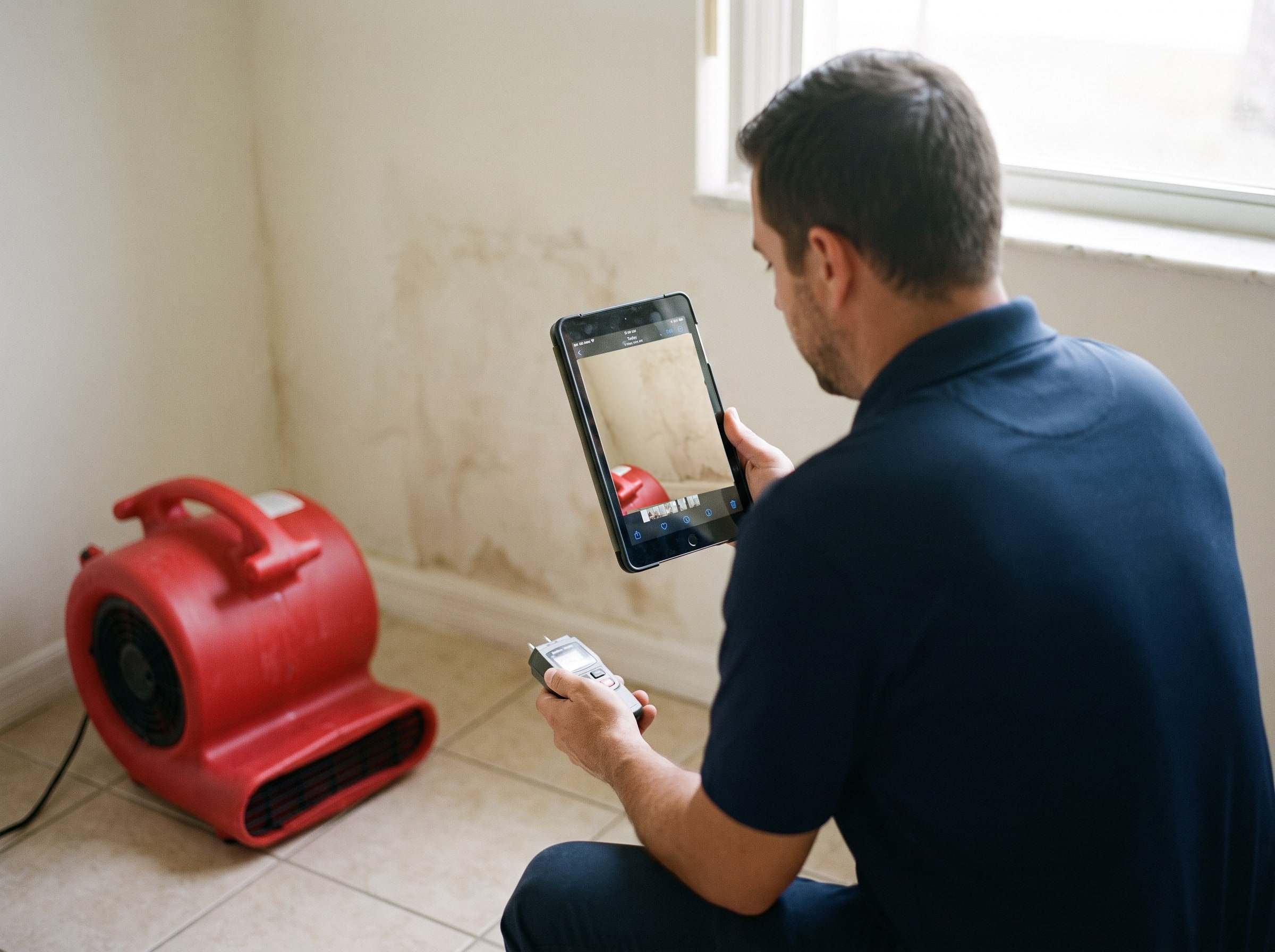
★ Every job is documented: photos, readings, and an itemized scope.
Insurance
Homeowners policies generally cover sudden water damage from a pipe that bursts, but not the cost of repairing the worn-out pipe itself. Many policies also pay to open and close the wall or floor needed to reach the leak. Damage from leaks that ran for weeks or months is commonly excluded as gradual.
Condo owners should know where the pipe sits. A line that serves only your unit may be your responsibility under the declaration. Florida's condo statute generally makes unit owners responsible for interior finishes such as flooring, cabinets, and wall coverings, which an HO-6 policy typically covers, while the association's master policy covers the building. We record where the break was and the path the water took so each adjuster works from the same facts.
Carriers we've worked with: Citizens Property Insurance, Universal Property & Casualty, Tower Hill Insurance, State Farm, Allstate, USAA, and many more. We are not affiliated with or endorsed by any insurance company.
Coverage decisions belong to your insurer and depend on your policy. Florida does not allow assignment of benefits on property policies issued on or after January 1, 2023, so you stay in control of your claim.
How water damage claims work in FloridaFAQ
Shut off the water. Use the valve at the fixture if the break is at a sink or toilet; otherwise close the main, which is usually near the water meter or where the line enters the house. In a condo, ask building maintenance if you cannot find your unit valve. Then turn off breakers to wet rooms, call a plumber for the pipe, and call us for the water.
No. A licensed plumber repairs the pipe. We extract the water, dry the structure, and repair the walls, cabinets, and floors the leak damaged. We coordinate with your plumber so the access opening and the drying plan work together, and if the leak cannot be found, our leak detection service can help locate it.
A sudden break is usually covered for the damage it causes, subject to your deductible and policy terms. The pipe repair itself often is not, and damage from a leak that went on for weeks is commonly excluded. Report the loss promptly and keep the failed section if the plumber removes it.
A slab leak is a break in a water line that runs under or through the concrete floor. Common signs are a warm spot on the floor, damp or loose tile, the sound of running water with everything off, and a water meter that keeps moving. A plumber or leak detection specialist confirms the location before the slab is opened or the line is rerouted.
Polybutylene, a gray plastic supply pipe used in some homes built from the late 1970s to the mid-1990s, has a history of failing at fittings and as it ages. Some insurers ask about it or decline to cover homes that still have it. Talk with a licensed plumber about replacing it; if a section has already failed, we handle the water damage.
Related services
Non-invasive detection for slab, wall, irrigation, and roof leaks using pressure tests, acoustic equipment, thermal imaging, and video pipe inspection.
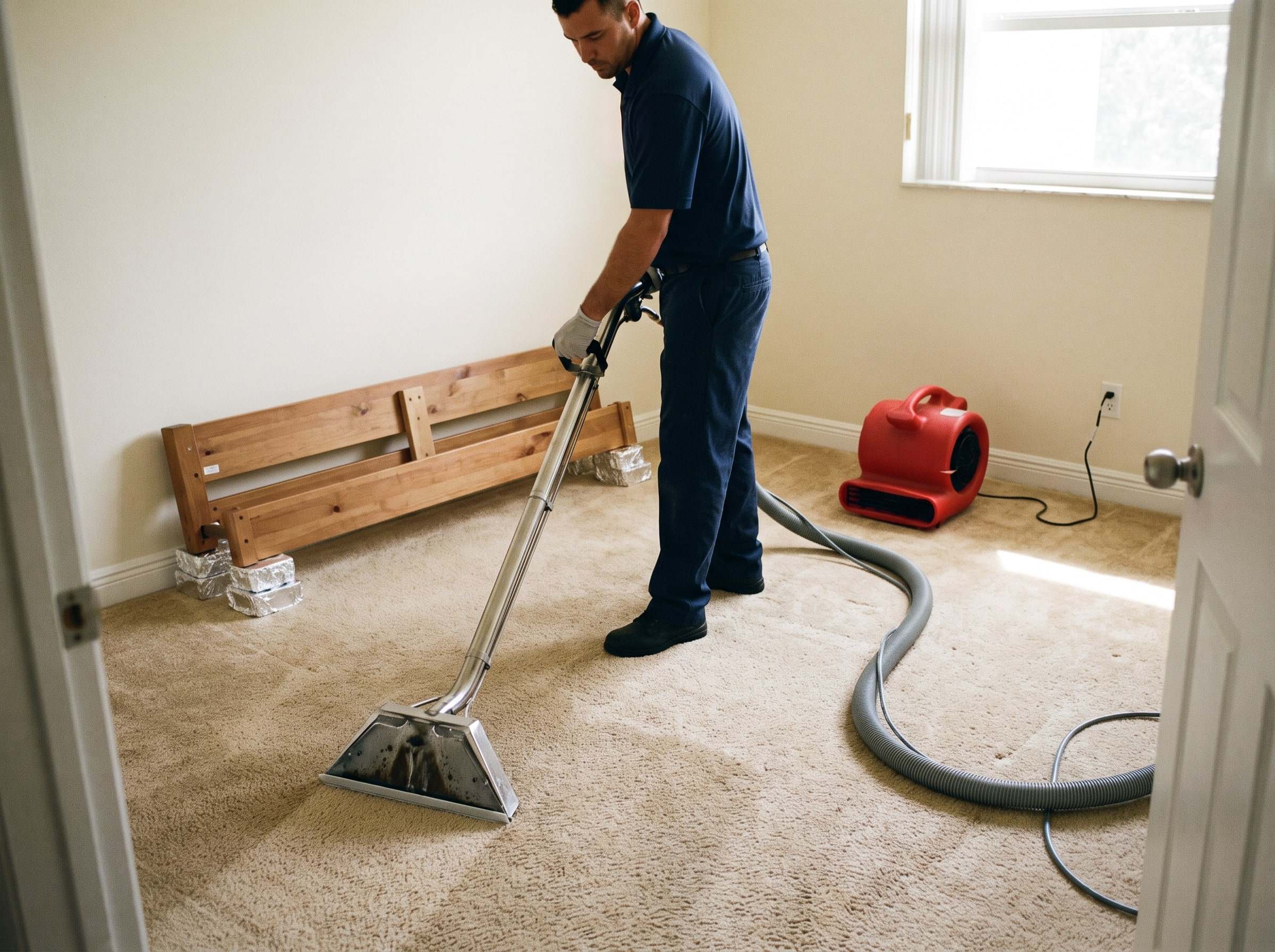
Pumping, truck-mount and portable extraction, and weighted carpet extraction that get standing and absorbed water out before it spreads to walls and the unit below.
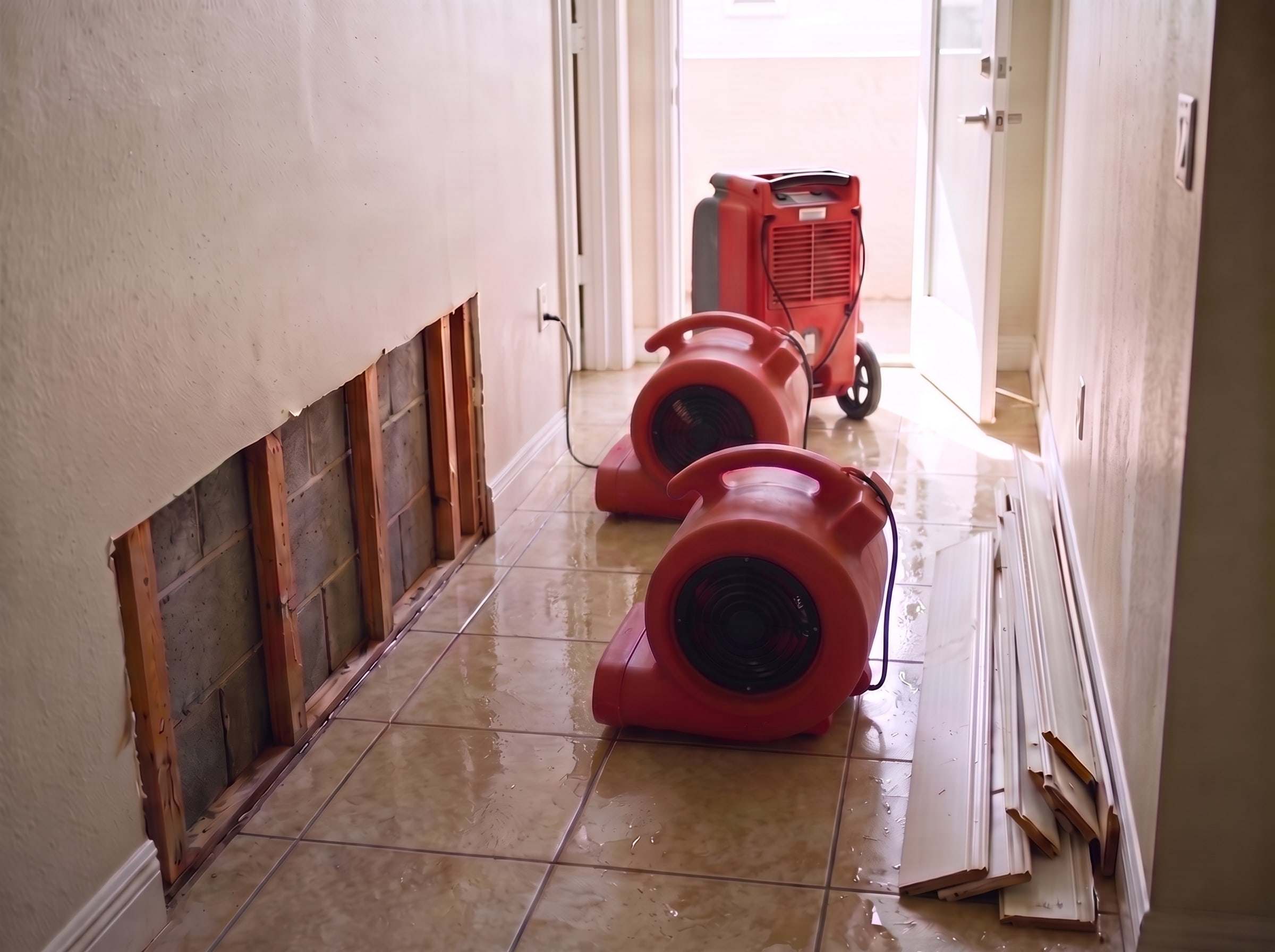
Dehumidification, air movement, and targeted drying for wall cavities, block, slabs, and hardwood, tracked with daily moisture readings.
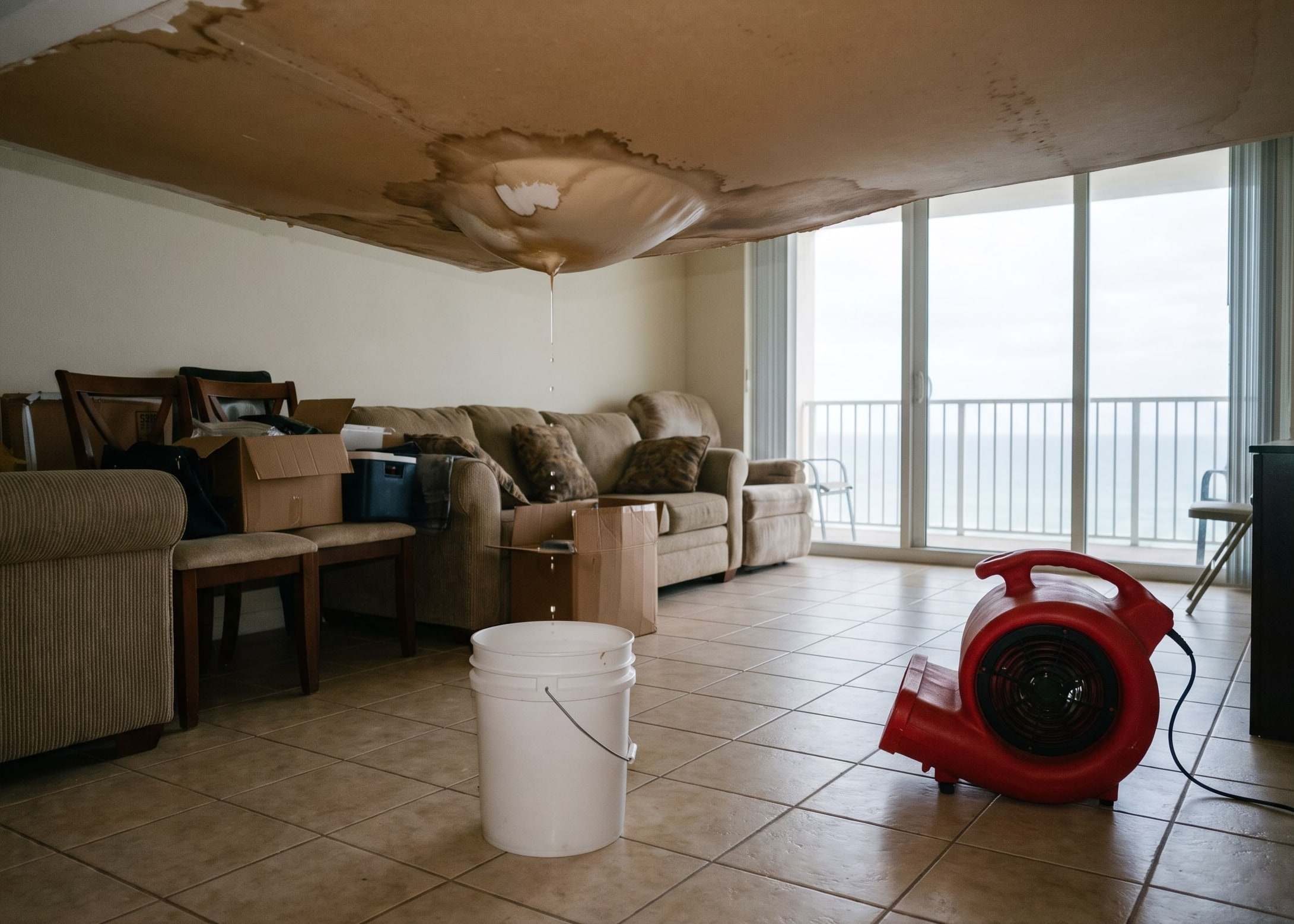
Tracing, making safe, drying, and repairing ceilings soaked by condo leaks, attic AC units, plumbing, and roof leaks.
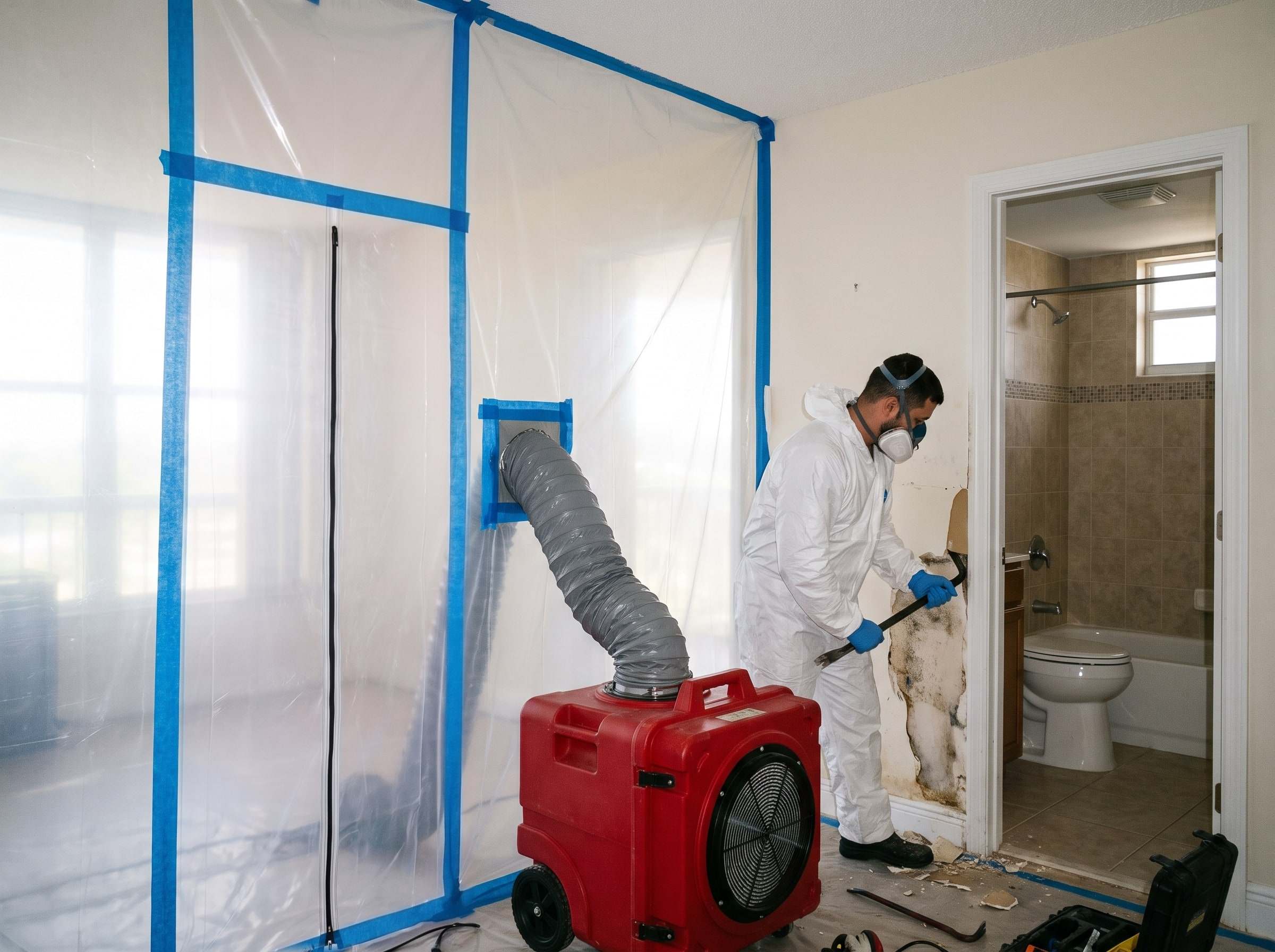
Containment, HEPA filtration, removal of moldy materials, and detailed cleaning to IICRC S520, with the moisture source found and fixed first.
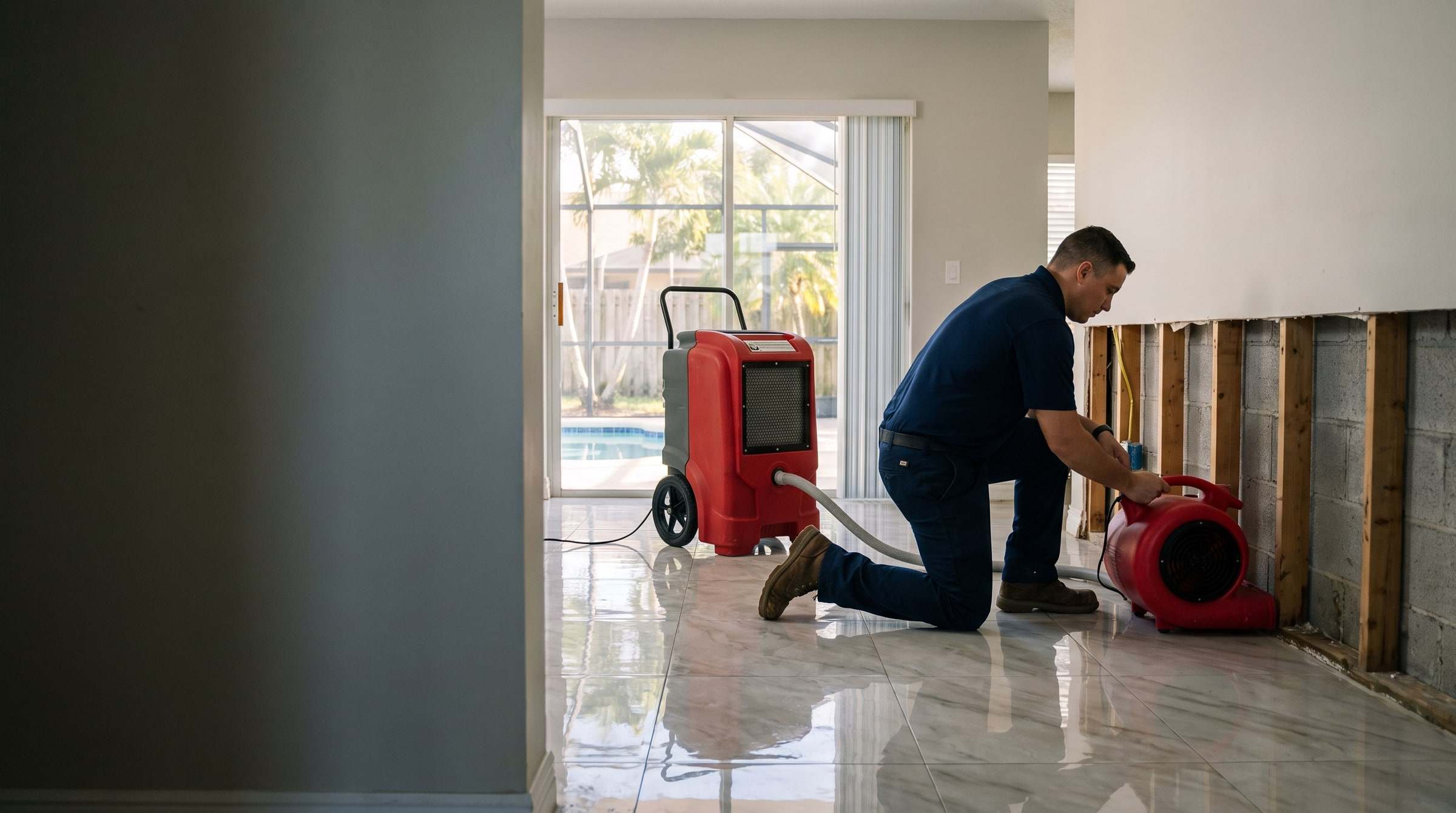
Extraction, moisture mapping, and structural drying for leaks, overflows, and floods, with documentation your adjuster can use.
Service areas
We cover Miami-Dade, Broward, and Palm Beach counties. These are some of the cities where we handle burst pipes most often.
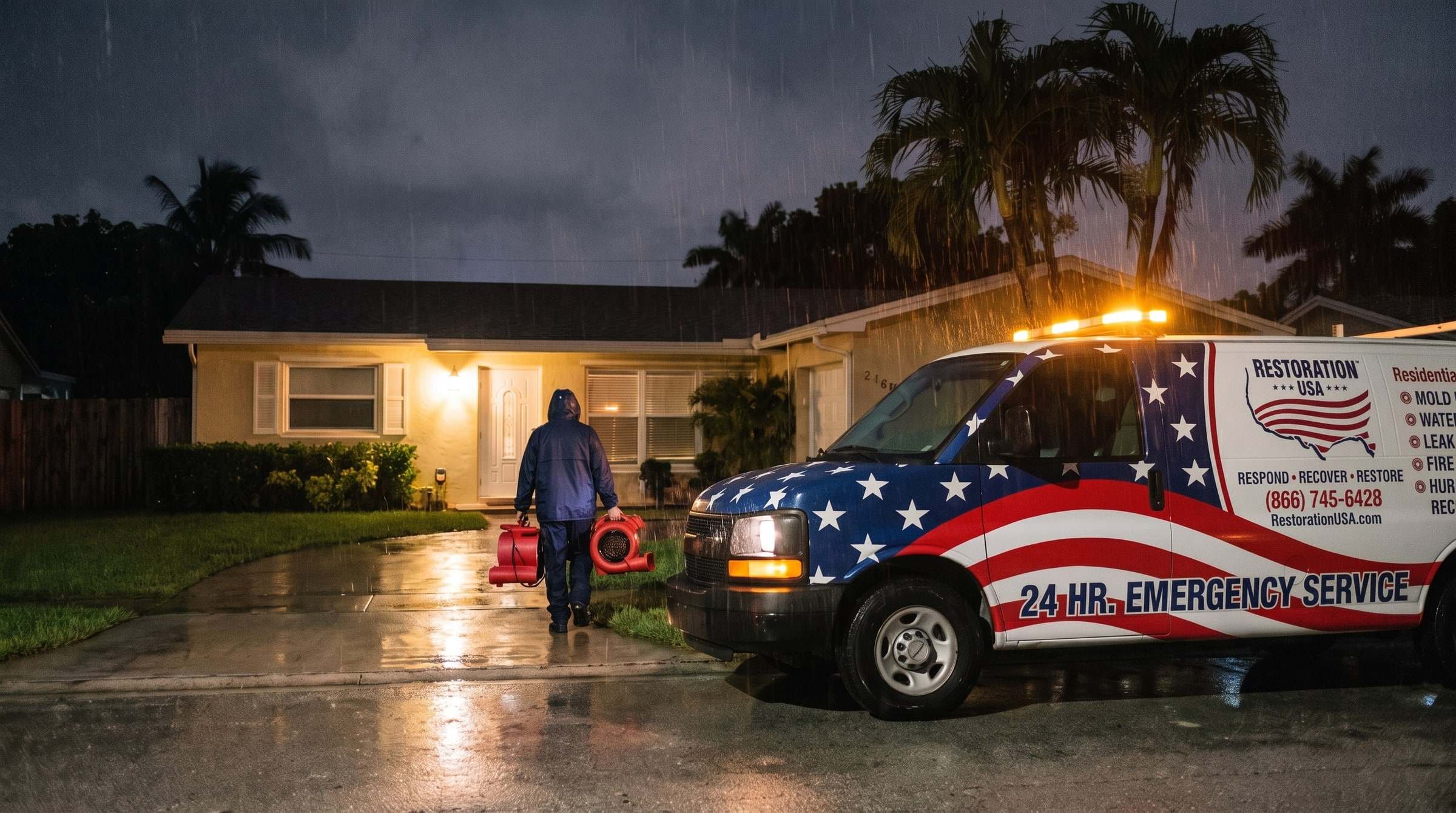
Don't wait. Go with the pros.
Call the 24/7 line. We will help you stop the source, tell you what to move, and get a crew scheduled. Not urgent? Send a request and we will call you back.
Call 24/7 (954) 289-0566On call 24/7
Schedule a no-cost on-site inspection. A restoration specialist will contact you within a few minutes to confirm the details.
Request received
Thank you. A restoration specialist will contact you at the number provided to confirm the details. If water is still coming in, call now and we'll walk you through shutting it off.
(954) 289-0566Recognized by