Water Damage Restoration in Miami
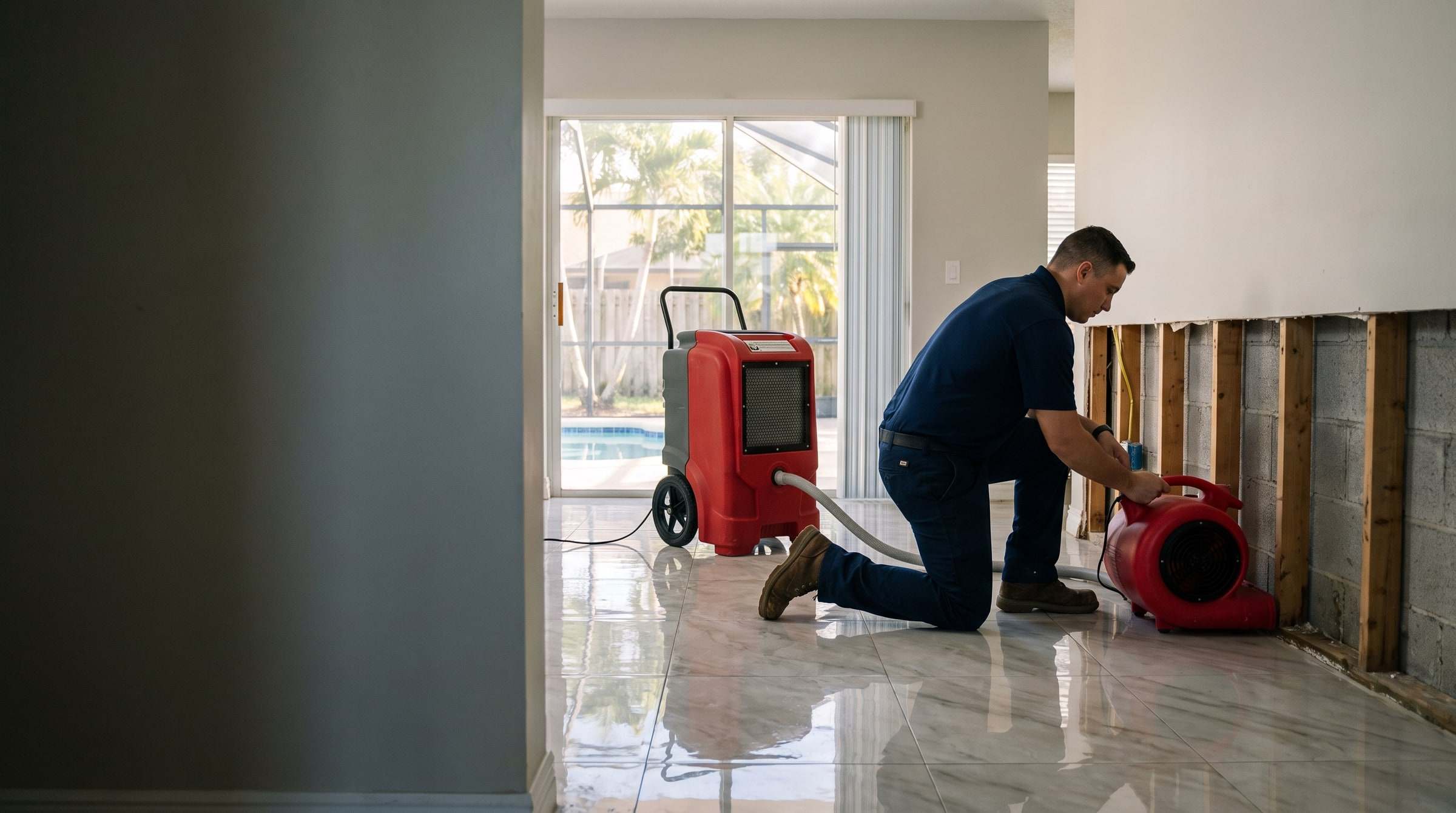
Extraction, moisture mapping, and structural drying for leaks, overflows, and floods, with documentation your adjuster can use.
Miami-Dade County · Miami, FL
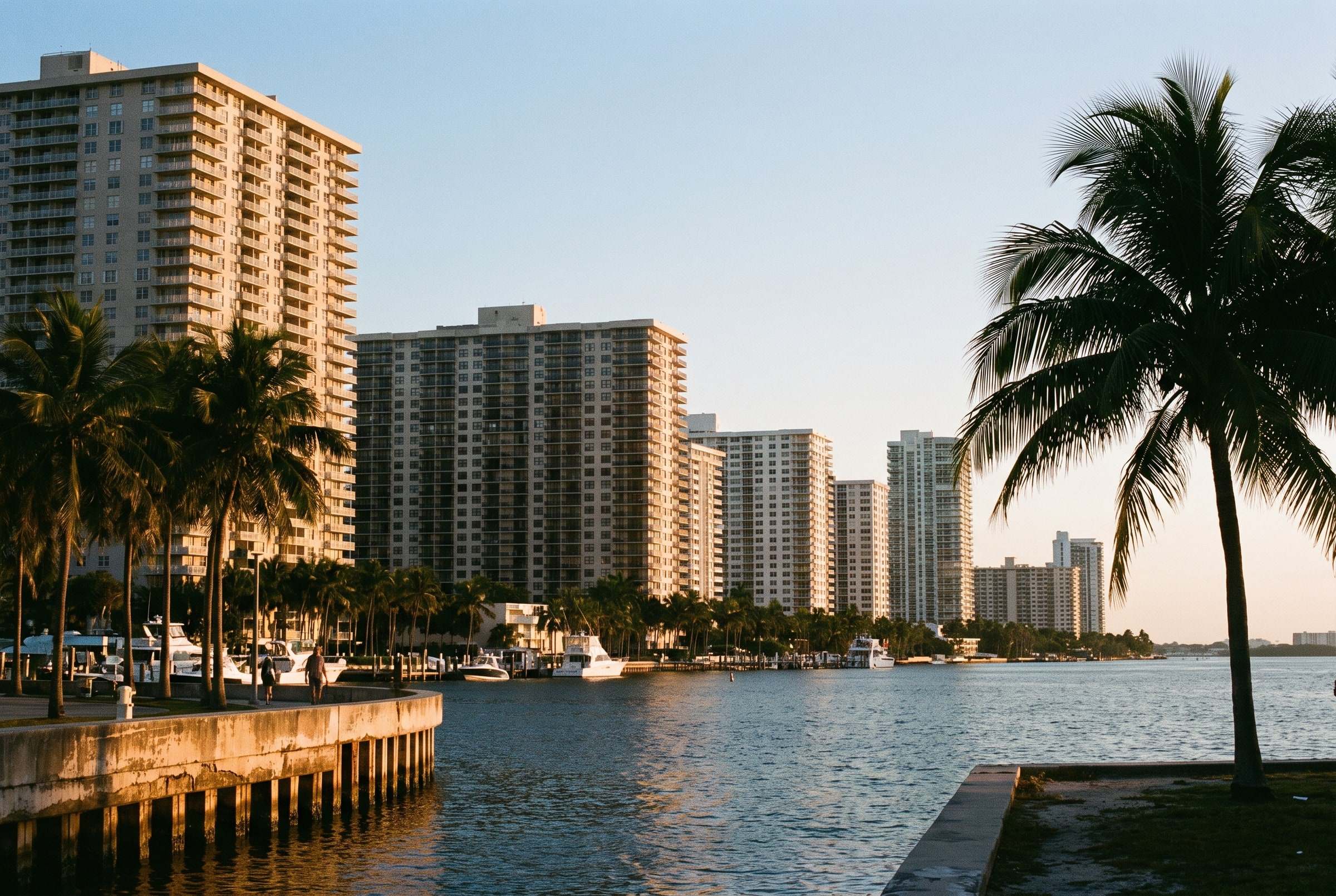
From Brickell towers to older houses in Morningside and wood-frame homes in Coconut Grove, we get the water out, dry the structure with daily moisture readings, and photograph every step for your insurer.
On call 24/7
Schedule a no-cost on-site inspection. A restoration specialist will contact you within a few minutes to confirm the details.
Request received
Thank you. A restoration specialist will contact you at the number provided to confirm the details. If water is still coming in, call now and we'll walk you through shutting it off.
(305) 330-1488Recognized by





Few cities mix building types the way Miami does. Glass towers in Brickell and Edgewater stand a few miles from older homes in Morningside, duplexes and walk-up apartments in Little Havana and Allapattah, and houses under heavy tree canopy in Coconut Grove.
Water damage follows the building. In a tower, it is usually a supply line, a water heater, or an AC drain in one unit that reaches the floors below. In an older house, it is more often a cast-iron drain, a roof patched many times over, or a plaster wall that holds moisture long after the leak is fixed.
Then there is the water outside. Fall king tides can flood low streets near Biscayne Bay even when it is not raining, summer storms overload the drains, and hurricane surge can push the bay into the streets nearest it, as Hurricane Irma did in Brickell in 2017.
Start with the water damage restoration process, or call (305) 330-1488 and we'll tell you when a crew can be there.
Local buildings
In Brickell and Edgewater towers, water from one unit follows slab penetrations and pipe chases into the units below, and concrete repairs after recertification can leave openings where rain gets in. In older houses in Morningside and Coconut Grove, it gets in through original plumbing inside plaster walls and roofs under heavy tree canopy, and in Little Havana duplexes a leak upstairs quickly reaches the tenant below.
Brickell, Brickell Key, Downtown, and Edgewater are dense with towers. A leak in one unit can involve the units below, the association, the building engineer, and sometimes a tenant, and each needs its own documentation.
Miami-Dade's building recertification now starts at 30 years for most newer buildings and repeats every 10 years; some coastal condo towers start at 25. In 2022, Florida added milestone inspections for condo and co-op buildings three stories and taller. The concrete and balcony repairs that follow can leave temporary openings where rain gets in.
Morningside, Shenandoah, The Roads, and Coconut Grove have many older homes, often with plaster walls, original cast-iron or galvanized plumbing, and in some cases wood floors over a crawl space.
Little Havana, Allapattah, and Little Haiti have many duplexes, fourplexes, and two- and three-story walk-ups. A leak upstairs reaches the tenant below quickly, and owners need records for both units.
Common causes
In towers, the usual cause is a supply line, toilet valve, washer hose, or AC drain in one unit that leaks into the units below; in older houses, it is a cracked cast-iron drain, a rusted galvanized pipe, or a roof leak under tree canopy. From outside, fall king tides, summer downpours near high tide, and hurricane surge bring water into ground floors near Biscayne Bay.
In the fall, the highest tides of the year can flood low streets near the bay even when it is not raining. Water that enters a home this way is handled as contaminated floodwater; see flood damage restoration in Miami.
Heavy afternoon storms can drop more rain than the drains can handle, especially near high tide. Ground-floor units, garages, and lobbies close to the bay take on water first.
A failed toilet fill valve or washer hose on a high floor does not stay in one unit. Water follows slab penetrations and pipe chases downward, and the units below need readings even when they look dry.
Original cast-iron drains crack under the slab, and galvanized supply lines rust from the inside. In plaster-walled houses, the leak may show as bubbling paint long after the pipe failed.
In Coconut Grove and other shaded neighborhoods, leaves clog gutters and roof valleys and keep shingles damp. Storms drop limbs that puncture the roof and let rain into attics and ceilings.
Services in Miami
Each service page explains the process in detail. The same crews and the same 24/7 line cover all of them.
Extraction, moisture mapping, and structural drying for leaks, overflows, and floods, with documentation your adjuster can use.
Category 3 cleanup for storm surge, street flooding, and tidal water: extraction, flood cuts, sanitizing, and drying, documented for a flood claim.
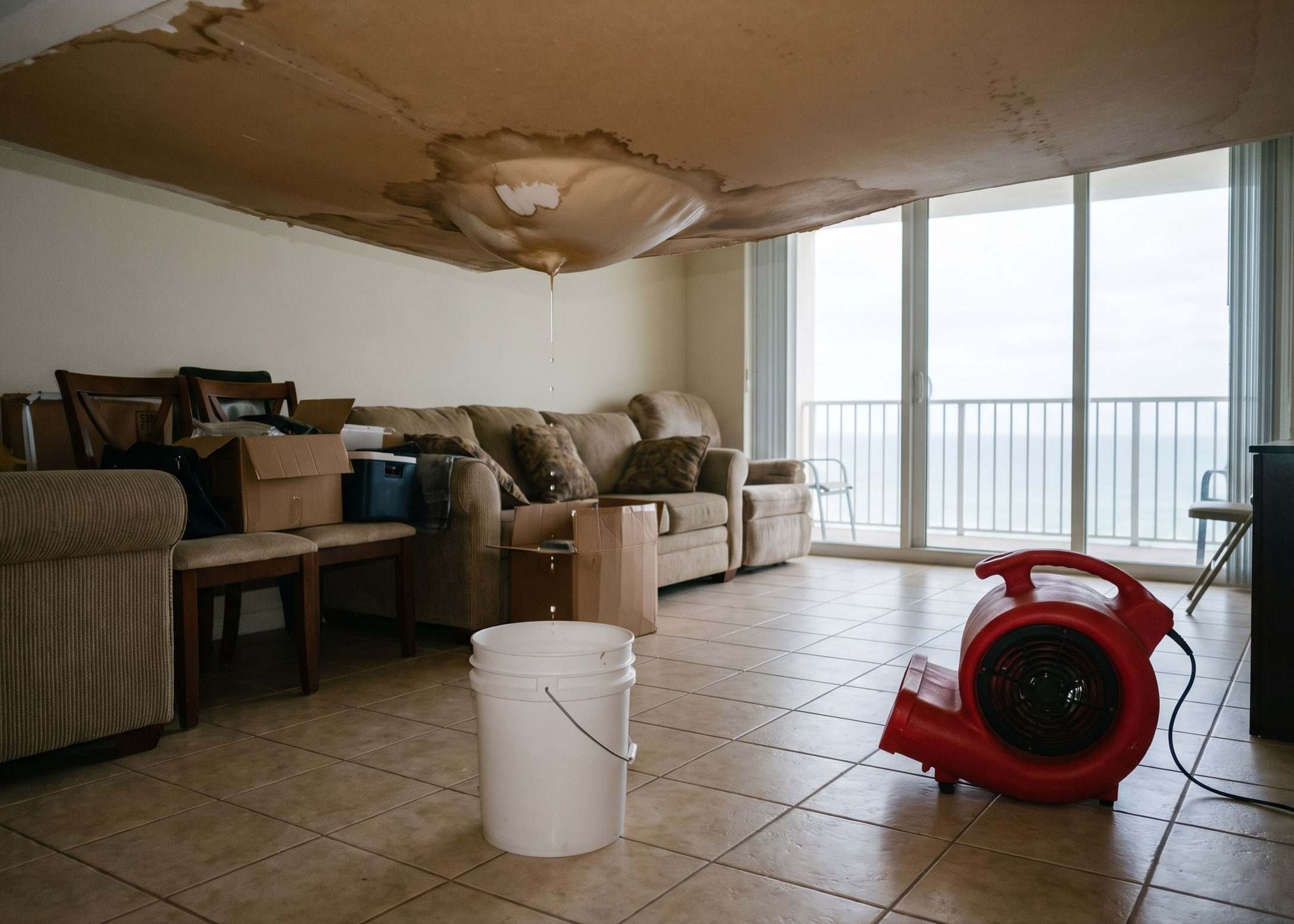
Tracing, making safe, drying, and repairing ceilings soaked by condo leaks, attic AC units, plumbing, and roof leaks.
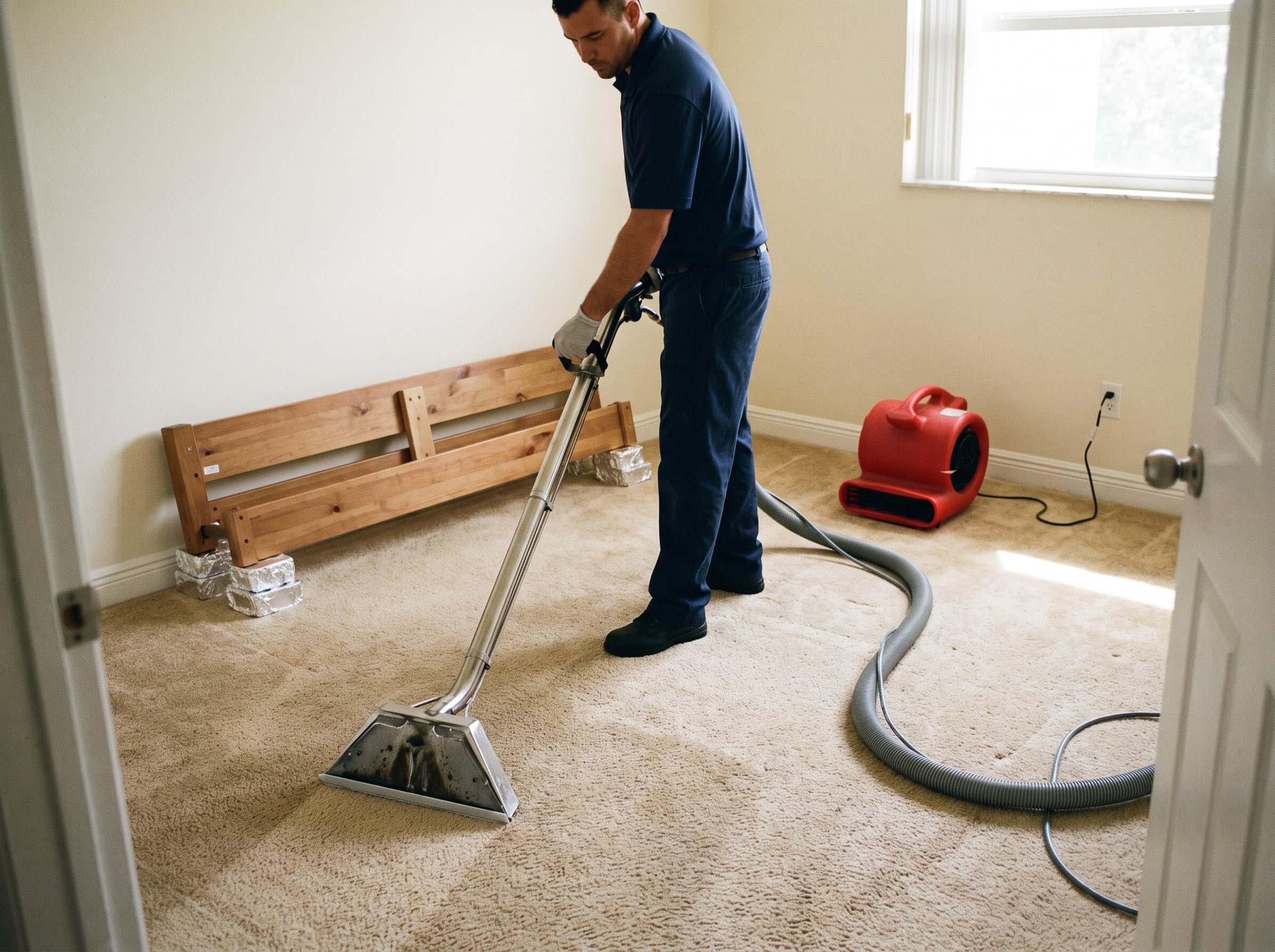
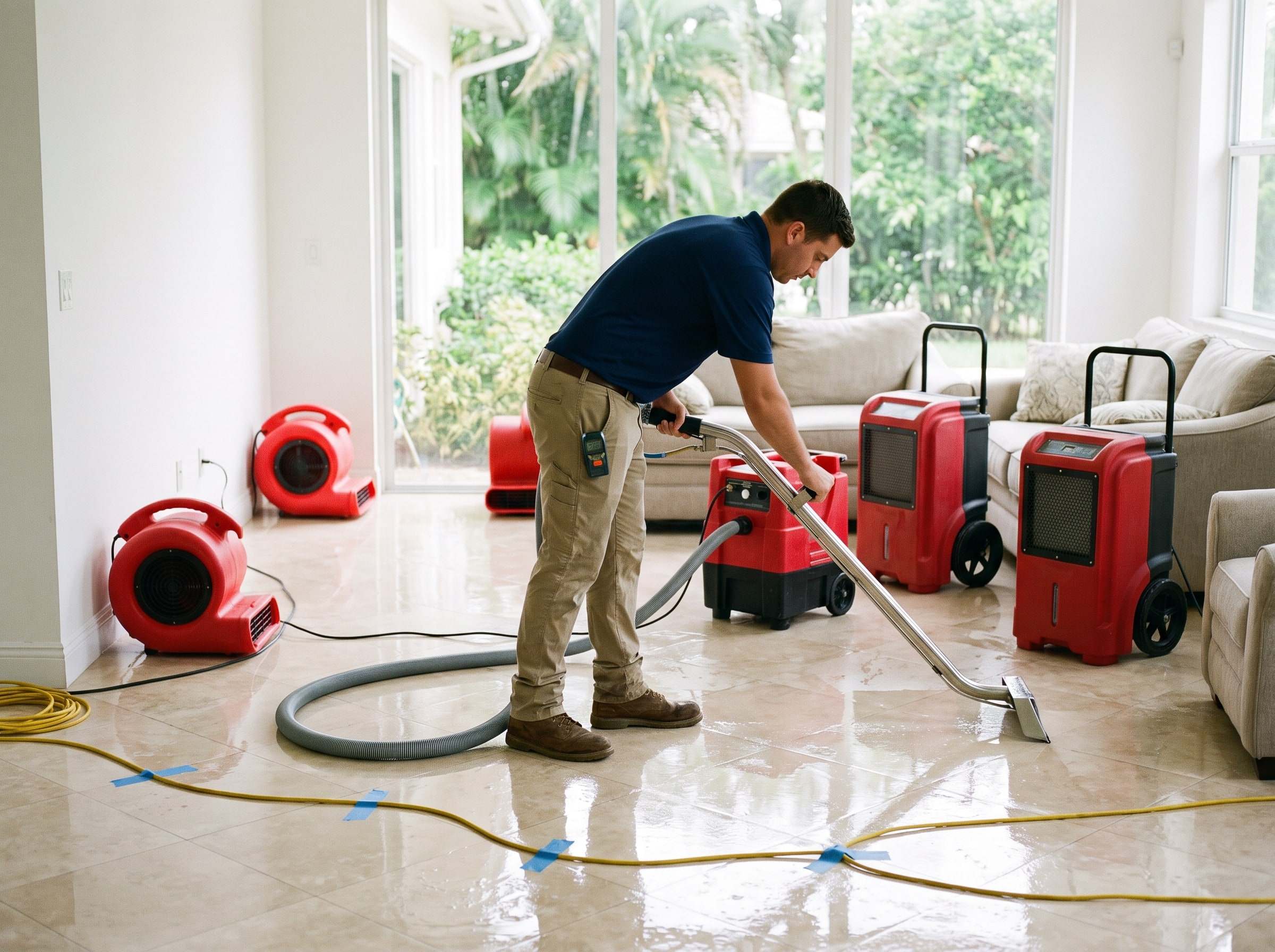
Pumping, truck-mount and portable extraction, and weighted carpet extraction that get standing and absorbed water out before it spreads to walls and the unit below.
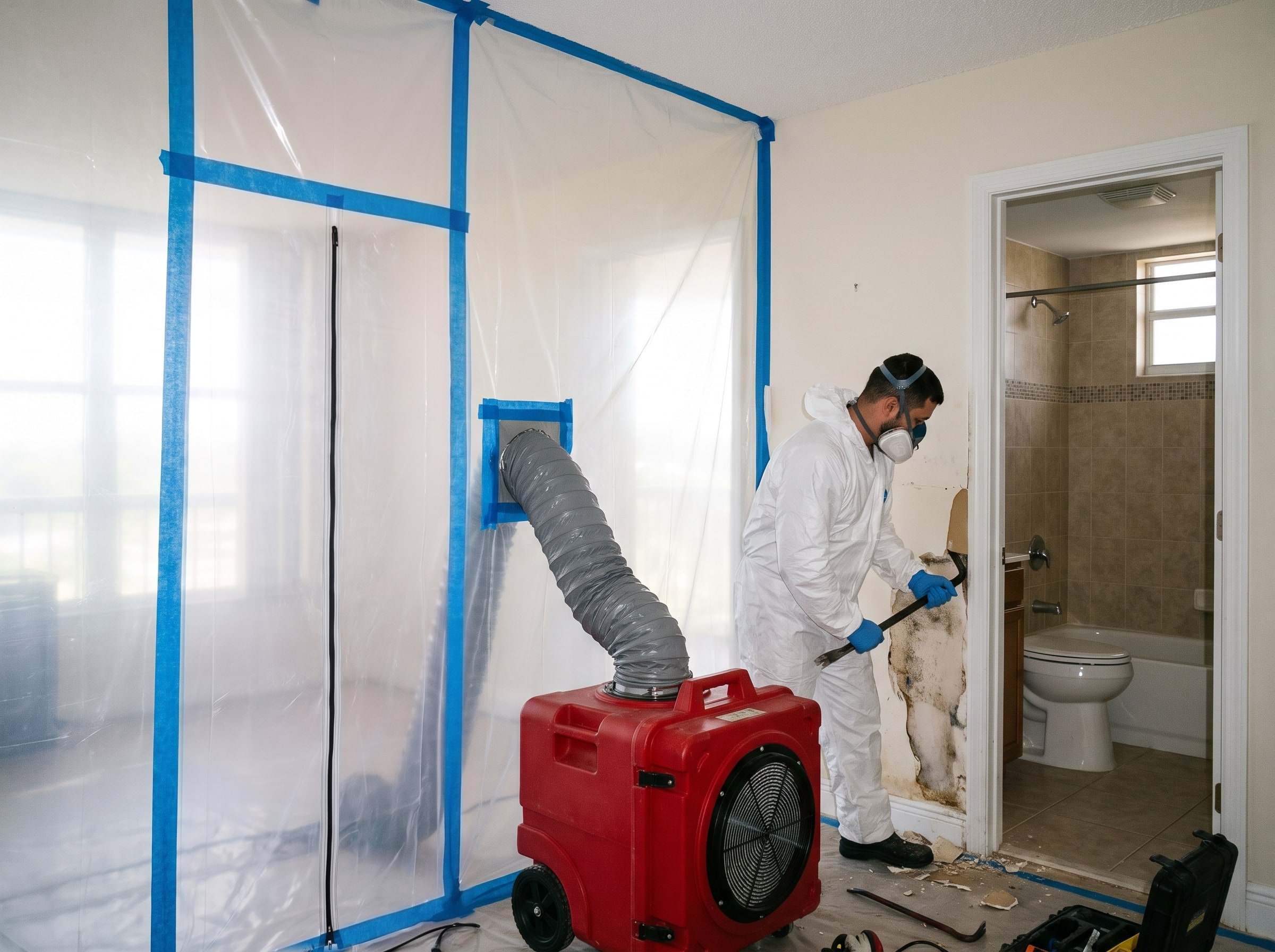
Containment, HEPA filtration, removal of moldy materials, and detailed cleaning to IICRC S520, with the moisture source found and fixed first.
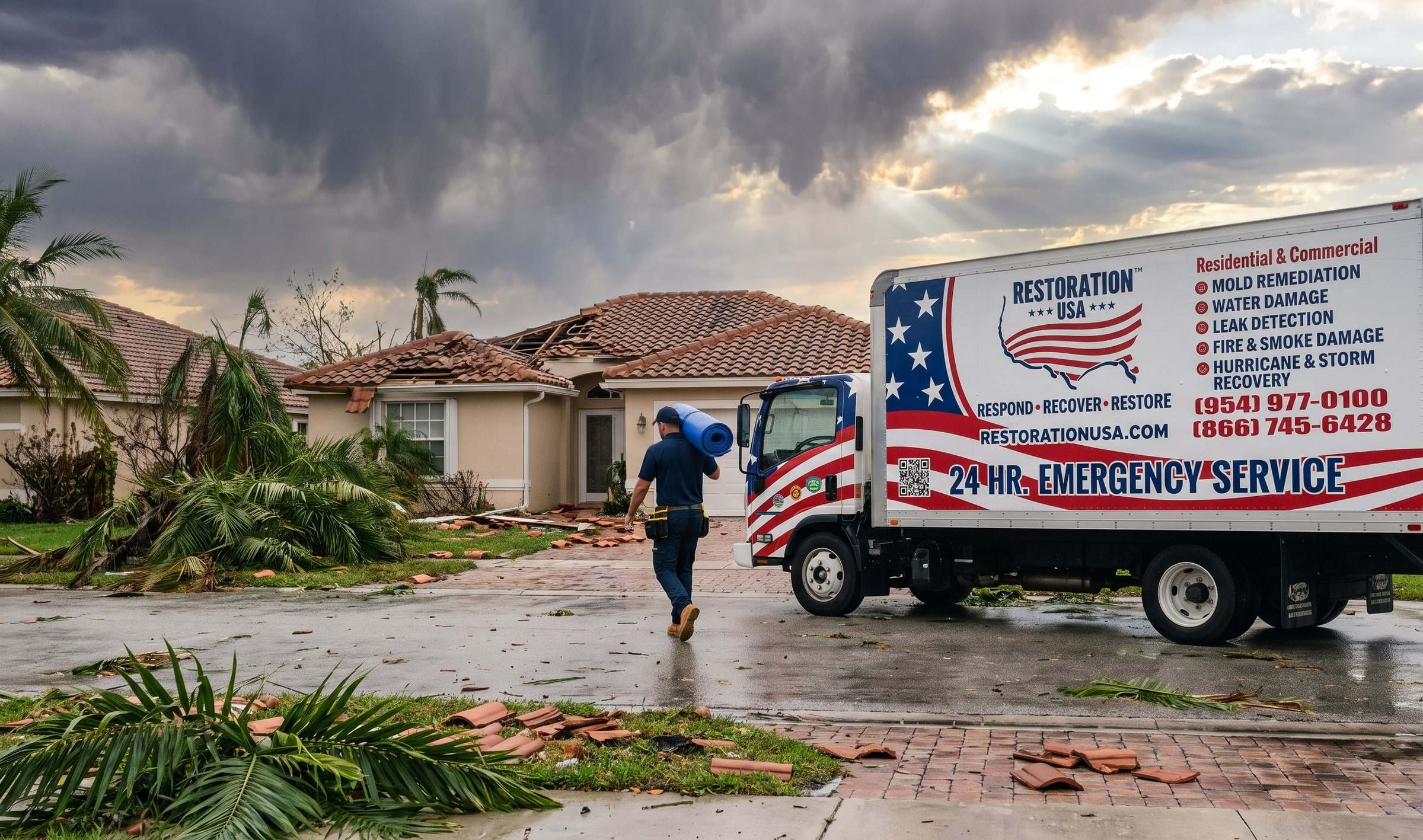
Emergency tarping and board-up, water removal, and drying after hurricanes, tropical storms, and severe thunderstorms, with damage documented for your claim.
How it works
We answer 24/7, walk you through shutting off the water and power to wet areas, and schedule a crew. Then we map the moisture, extract standing water, dry the structure with daily readings, and give you the photos, moisture logs, and itemized scope your adjuster needs.
Respond
Stop the damage from spreading.
We answer 24/7. We walk you through shutting off the water and power to wet areas, then schedule a crew.
Meters and thermal imaging show where the water went, including inside walls and under flooring. Starting conditions are photographed.
Recover
Get the water out and the structure dry.
Extraction removes the bulk of the water fast, which shortens drying time more than anything else.
Air movers and dehumidifiers are set for the space. We take readings every day and adjust until materials reach the dry standard.
Restore
Return the property to pre-loss condition.
Affected areas are cleaned and treated. Materials that could not be saved are replaced.
You get the photos, moisture logs, and itemized scope your adjuster needs, so the claim is supported by records.
Reviews
This company is absolutely nothing short of amazing! John listens and hears what the needs are and makes sure you feel as important as the next job. They are professional, on time and very catering to the clients needs and time. I have used them for years with 2 different houses. They take the time to walk you through the process and spend time even after in order to make you feel comfortable. They are extremely professional and I feel safe having them in my home. They treated my house as if it was their own. They ensure your family is safe and that is the most important thing. I would highly recommend this company.
Grateful for James and his team! They did an outstanding job helping my elderly father whose living room had gotten wet due to weather conditions! Fast, detailed, and professional, with a caring spirit!!! Would highly recommend Restoration USA!! Great job again!!!
These guys are AWESOME. We had a huge flood in our house and they handled everything from packing up our contents, drying out our home and restoring our home like nothing ever happened. They were very professional and brought our home back to normal in the time that they promised and we agreed on. I highly recommend them for all your restoration needs. Cheers
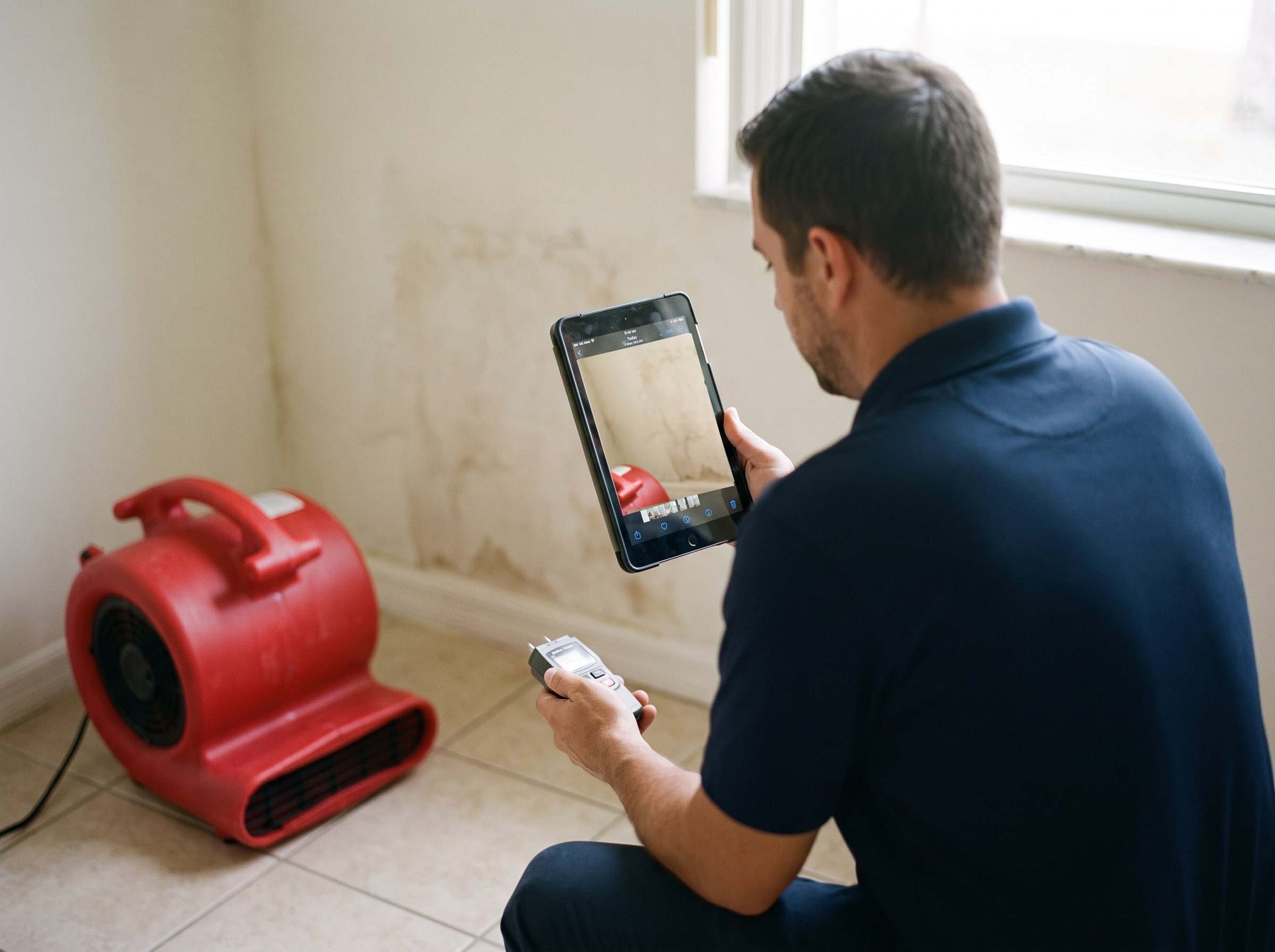
★ Every job is documented: photos, readings, and an itemized scope.
Insurance
You own the claim and talk to your adjuster. We make sure the adjuster has what they need to make a decision: what happened, what got wet, and how it was dried. For covered claims, we bill your insurance company directly.
Carriers we've worked with: Citizens Property Insurance, Universal Property & Casualty, Tower Hill Insurance, State Farm, Allstate, USAA, and many more. We are not affiliated with or endorsed by any insurance company.
Coverage decisions belong to your insurer and depend on your policy. Florida does not allow assignment of benefits on property policies issued on or after January 1, 2023, so you stay in control of your claim.
How water damage claims work in FloridaFAQ
Report it to management in writing right away, with photos and the date, and keep copies. Then have the unit dried so the damage does not grow while responsibility is sorted out. We document the entry point and the readings, which helps the association, its contractor, and the insurers work out who covers what.
Keep electronics, papers, and valuables off the floor, and where you can, use materials at the lowest level that tolerate water, such as tile over the slab and baseboards that are not MDF. After each event, clean and dry what got wet promptly, since repeated wetting is what leads to mold and rot. We can document each event for a flood claim.
We dry both units and keep the records separate: where the water started, what was affected in each unit, and the daily readings. Your landlord policy may cover the building, and your tenant's renters policy, if they have one, covers their belongings. Let your tenant know before we arrive, since we need access to both units.
Yes. Plaster over block or lath dries more slowly than drywall and is often worth saving. We take readings inside the wall and dry over a longer period instead of cutting it out. Homes in historic districts may need city review before original materials are replaced, so check before repairs begin.
It depends on how much water there is, what got wet, and how long the structure takes to dry: a supply-line leak in one condo unit is a smaller job than bay water on a ground floor. You get an itemized scope, and for covered claims, we bill your insurance company directly, so you pay your deductible and anything your policy does not cover.
Nearby
We also provide water damage restoration across Miami-Dade County and in neighboring counties.
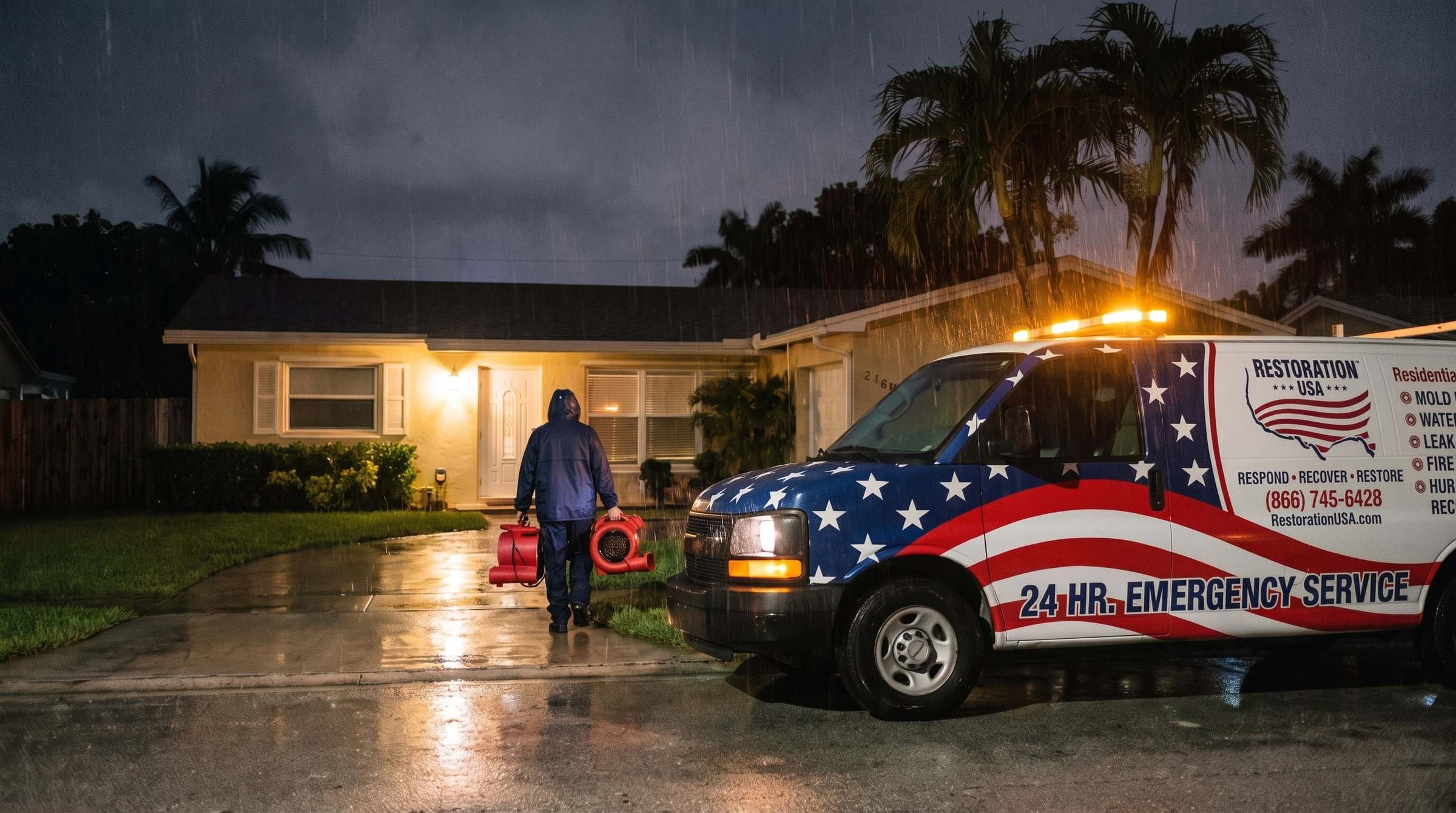
Don't wait. Go with the pros.
Call the 24/7 line. We will help you stop the source, tell you what to move, and get a crew scheduled. Not urgent? Send a request and we will call you back.
Call 24/7 (305) 330-1488On call 24/7
Schedule a no-cost on-site inspection. A restoration specialist will contact you within a few minutes to confirm the details.
Request received
Thank you. A restoration specialist will contact you at the number provided to confirm the details. If water is still coming in, call now and we'll walk you through shutting it off.
(305) 330-1488Recognized by