Water Damage Restoration in Miami-Dade County
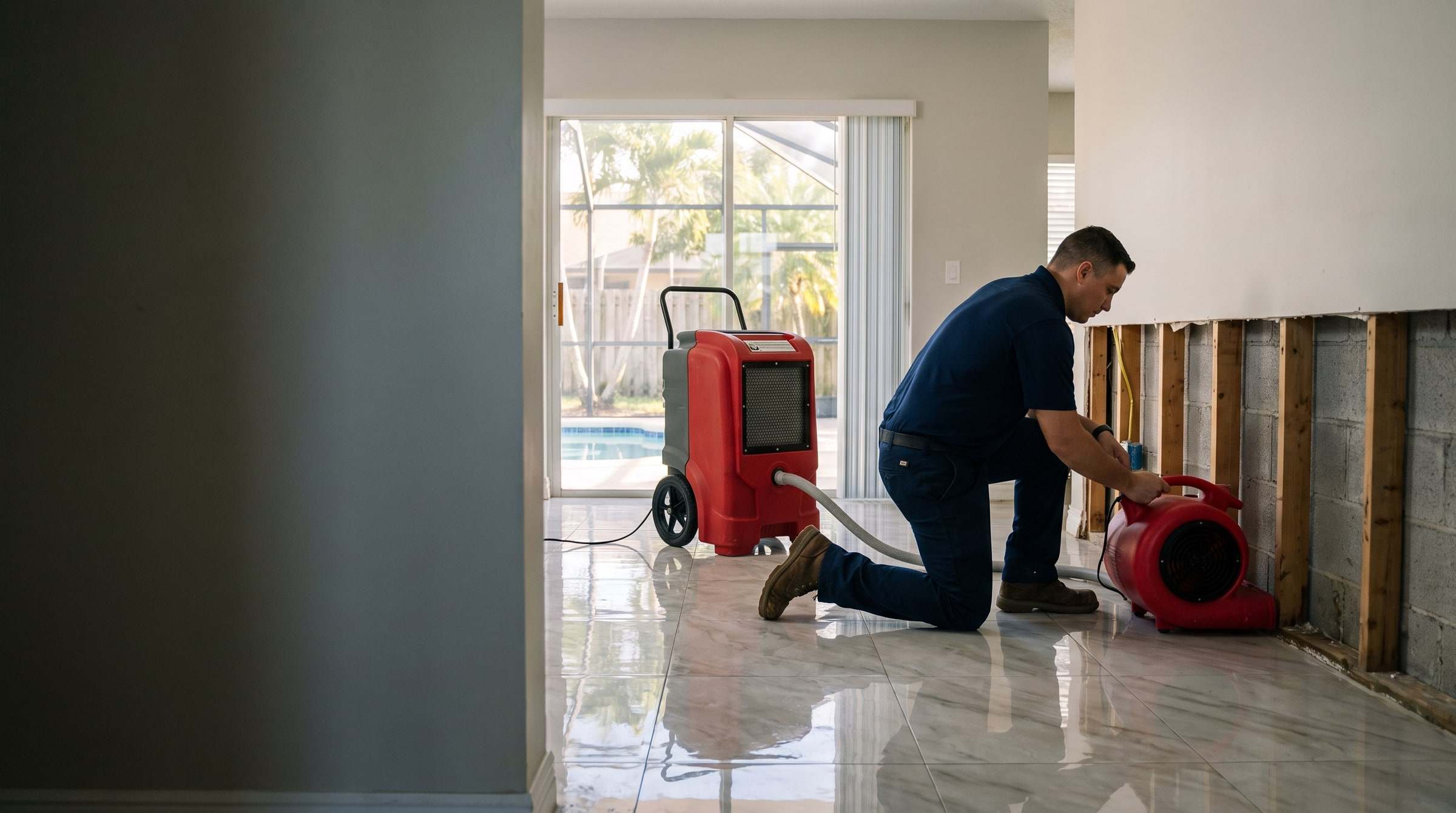
Extraction, moisture mapping, and structural drying for leaks, overflows, and floods, with documentation your adjuster can use.
Miami-Dade County, Florida
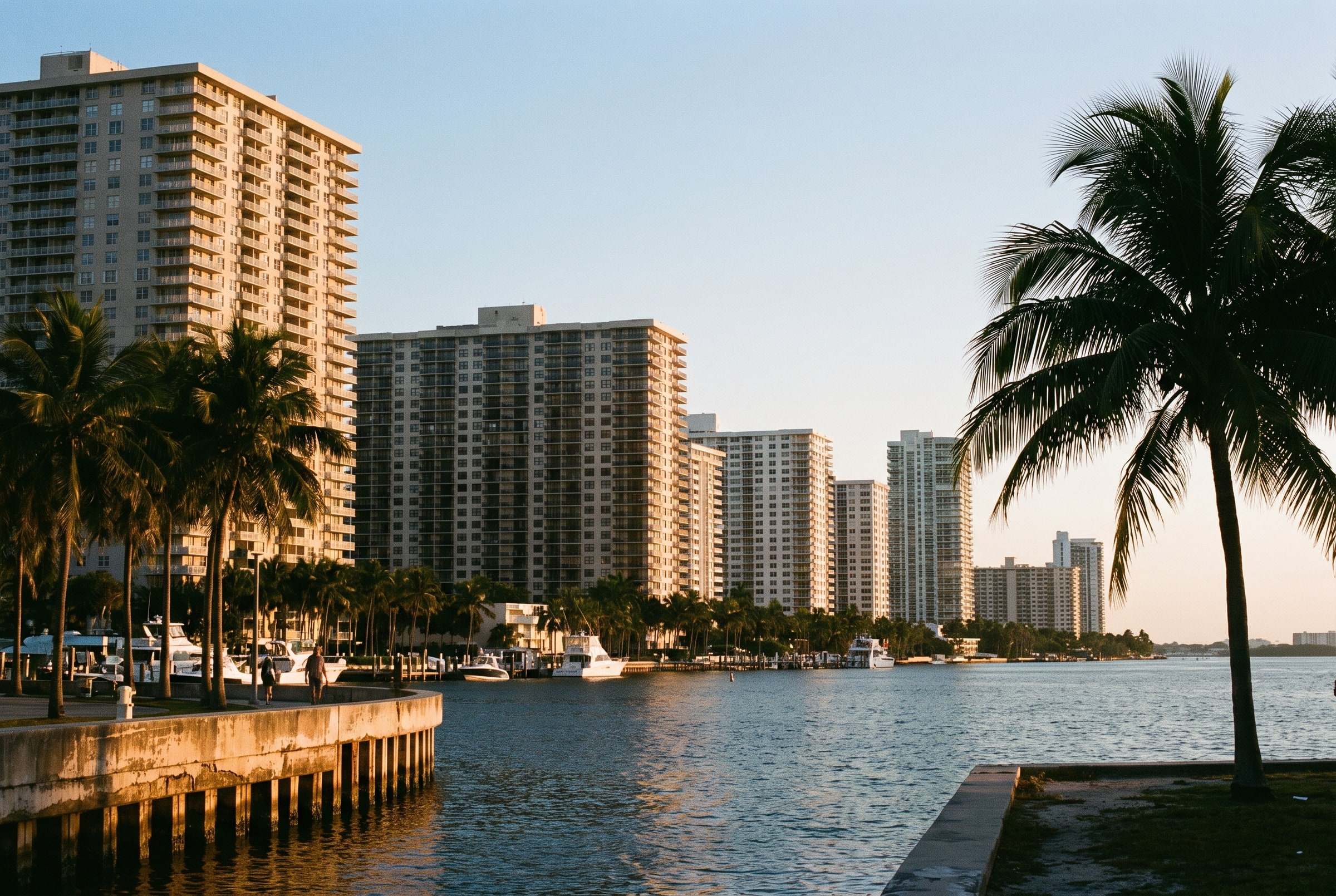
High-rise condos on the bay and the beach, older block homes inland, and some of the strictest building rules in Florida. We extract, dry, and document water losses across the county.
On call 24/7
Schedule a no-cost on-site inspection. A restoration specialist will contact you within a few minutes to confirm the details.
Request received
Thank you. A restoration specialist will contact you at the number provided to confirm the details. If water is still coming in, call now and we'll walk you through shutting it off.
(305) 330-1488Recognized by




Miami-Dade's coastline is lined with condominium towers, from Brickell and downtown Miami to Miami Beach, Sunny Isles Beach, and Aventura. In those buildings a leak is a building event as much as a unit event: the association, management, and several owners and their carriers all need the same facts.
Construction rules here were rewritten after Hurricane Andrew struck south Miami-Dade in August 1992. The Florida Building Code that followed took effect statewide in 2002, and Miami-Dade and Broward are the only counties in its High-Velocity Hurricane Zone, where windows, doors, and roofing must carry approvals for the strictest wind and impact standards.
The ground itself holds water. Much of the county sits on porous limestone over the Biscayne Aquifer, so the water table rises with heavy rain and high tides, and canals carry stormwater east to Biscayne Bay. In the lowest areas that system backs up during king tides, which is why some streets flood on clear days.
Cities
Each city page covers the buildings, water problems, and conditions specific to that city.
Local conditions
Under Florida's condominium statute, owners generally insure their unit's interior finishes, cabinets, and appliances through an HO-6, while the association's master policy covers the structure. Your declaration controls the details, so every unit and common area involved should be documented on its own.
After the 2021 Champlain Towers South collapse in Surfside, Florida began requiring milestone structural inspections for older condo buildings of three stories or more. Many associations are now doing concrete, balcony, or window work, and water that gets in during that work should be photographed and reported to management right away.
Low areas of Miami Beach and neighborhoods along Biscayne Bay flood from tides and storm surge, and groundwater can push up through low ground after heavy rain. That water is excluded from standard homeowners policies and needs a separate flood policy.
Coral Gables, Miami Springs, and Westchester have large numbers of homes built before the 2002 code, many with original cast-iron drains, older roofs, and pre-impact windows. Those details decide where water gets in and how it spreads.
Services
Extraction, moisture mapping, and structural drying for leaks, overflows, and floods, with documentation your adjuster can use.
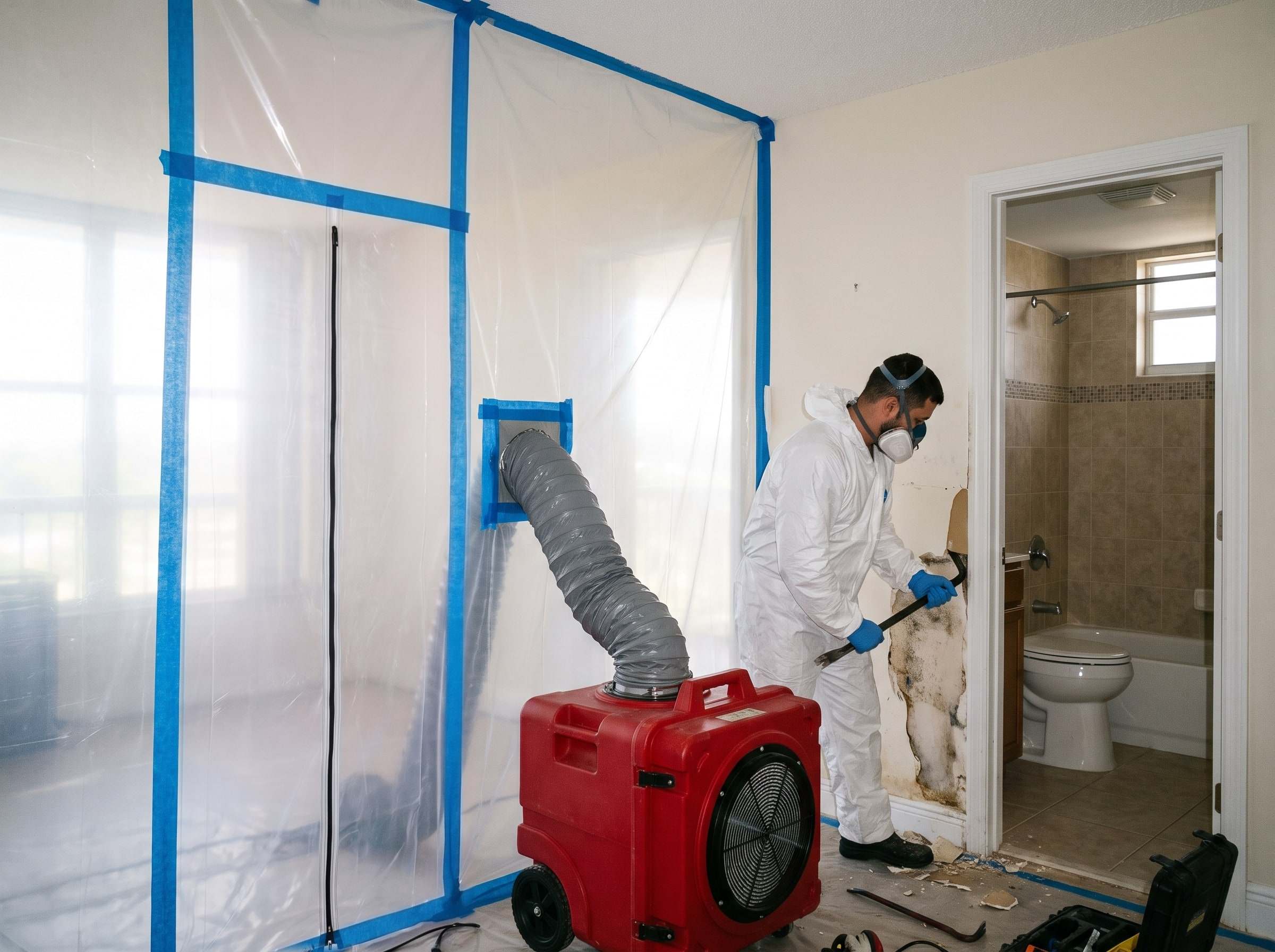
Containment, HEPA filtration, removal of moldy materials, and detailed cleaning to IICRC S520, with the moisture source found and fixed first.
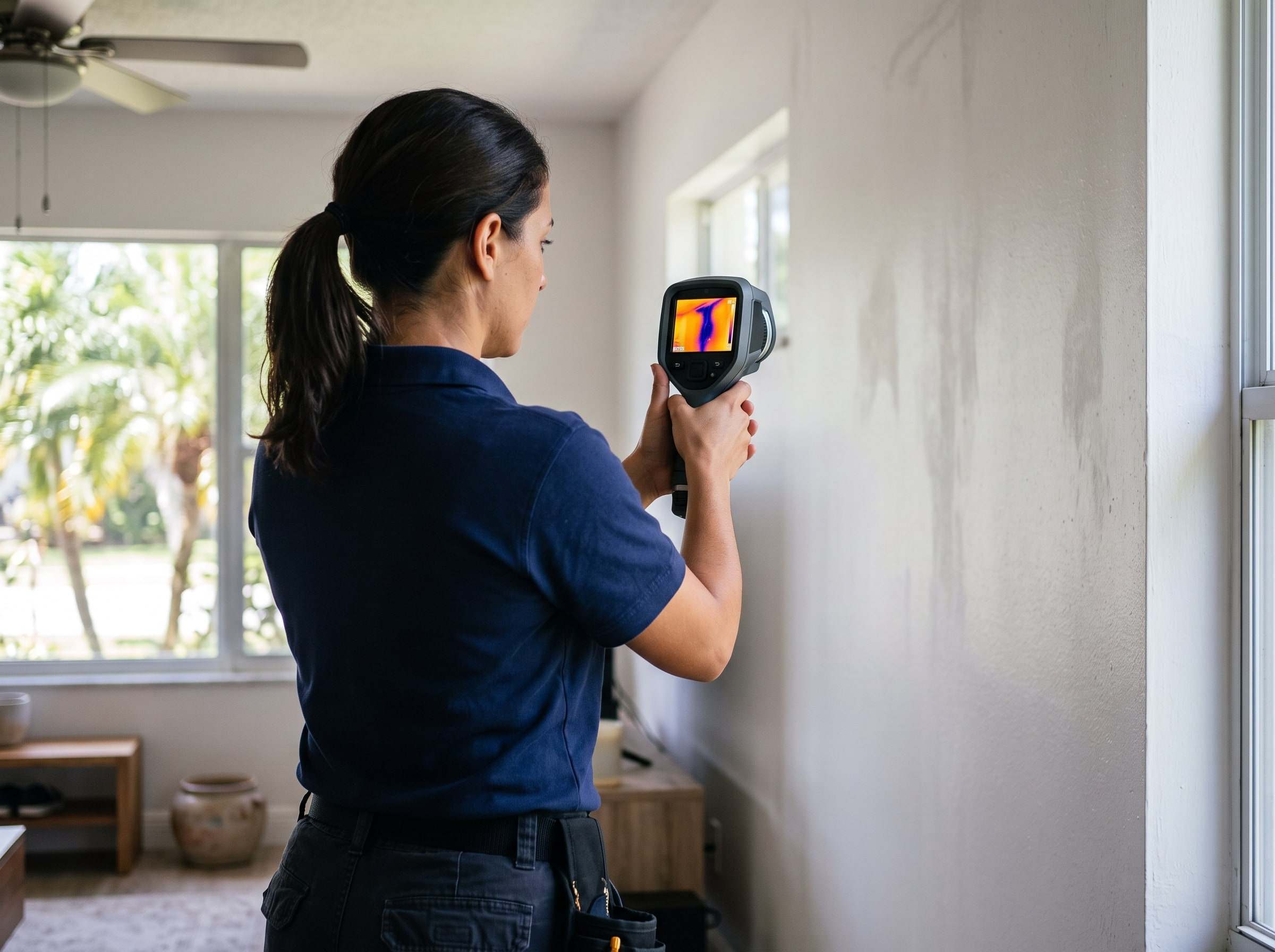
Non-invasive detection for slab, wall, irrigation, and roof leaks using pressure tests, acoustic equipment, thermal imaging, and video pipe inspection.
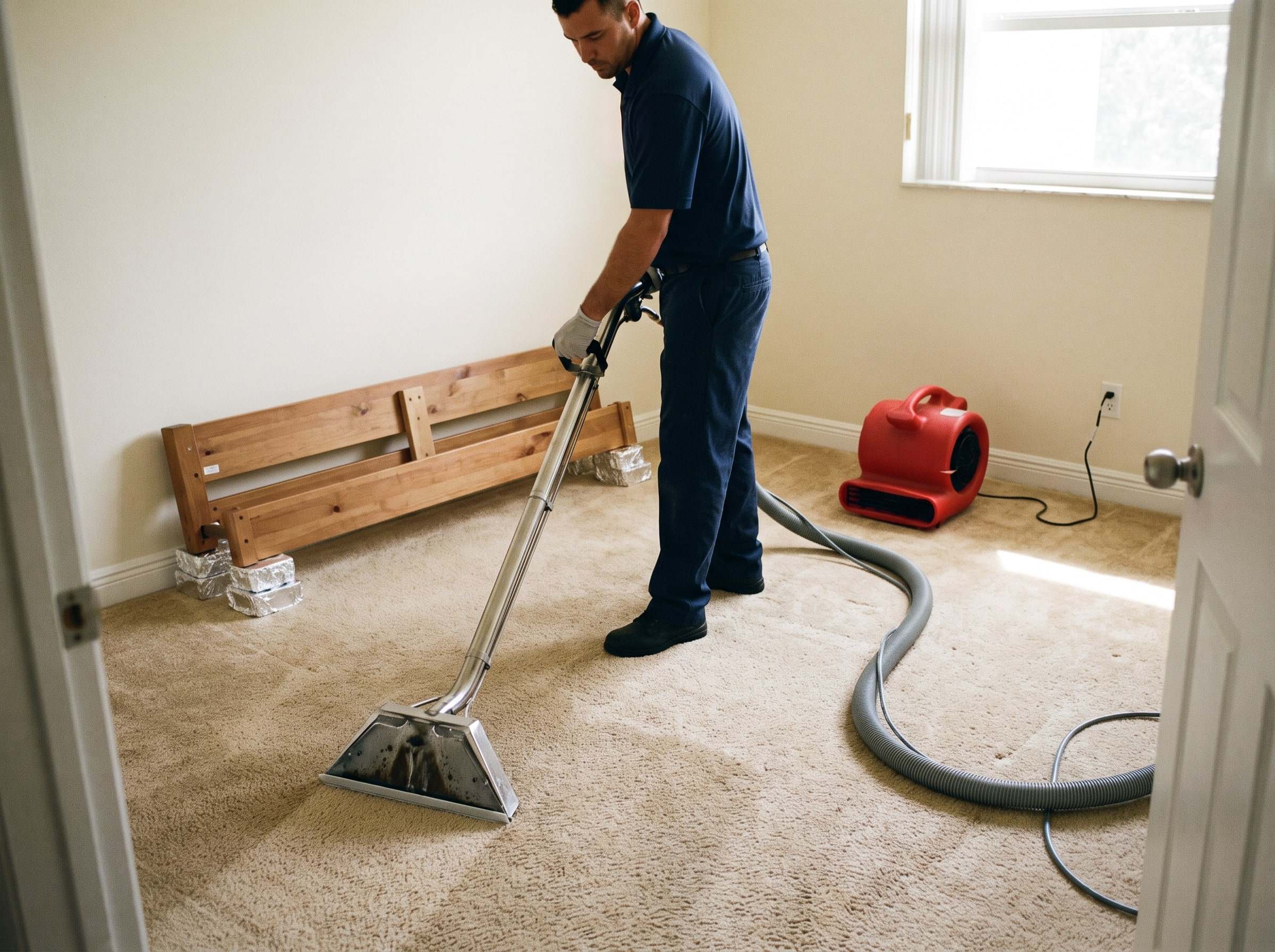
Pumping, truck-mount and portable extraction, and weighted carpet extraction that get standing and absorbed water out before it spreads to walls and the unit below.
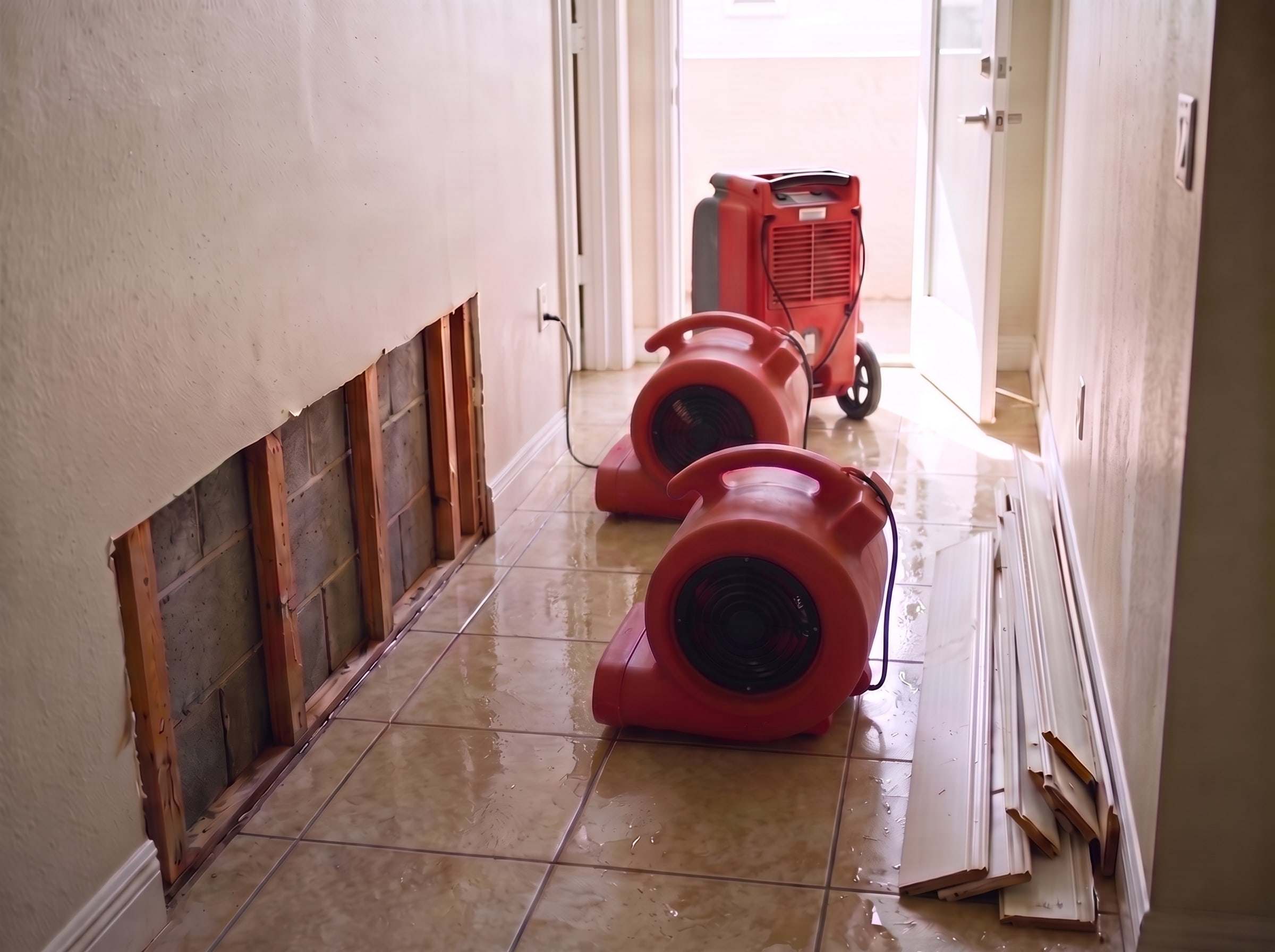
Dehumidification, air movement, and targeted drying for wall cavities, block, slabs, and hardwood, tracked with daily moisture readings.
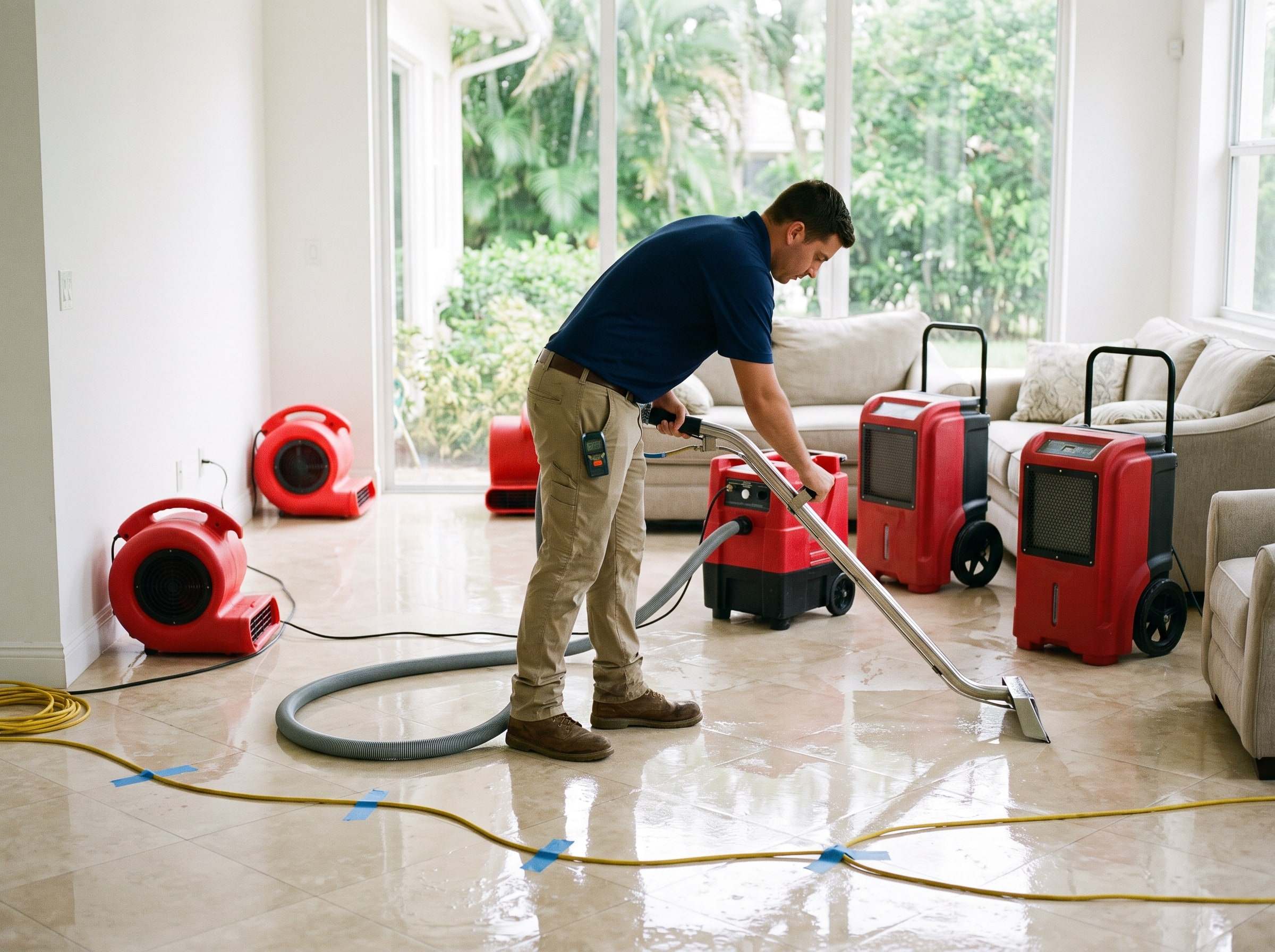
Category 3 cleanup for storm surge, street flooding, and tidal water: extraction, flood cuts, sanitizing, and drying, documented for a flood claim.
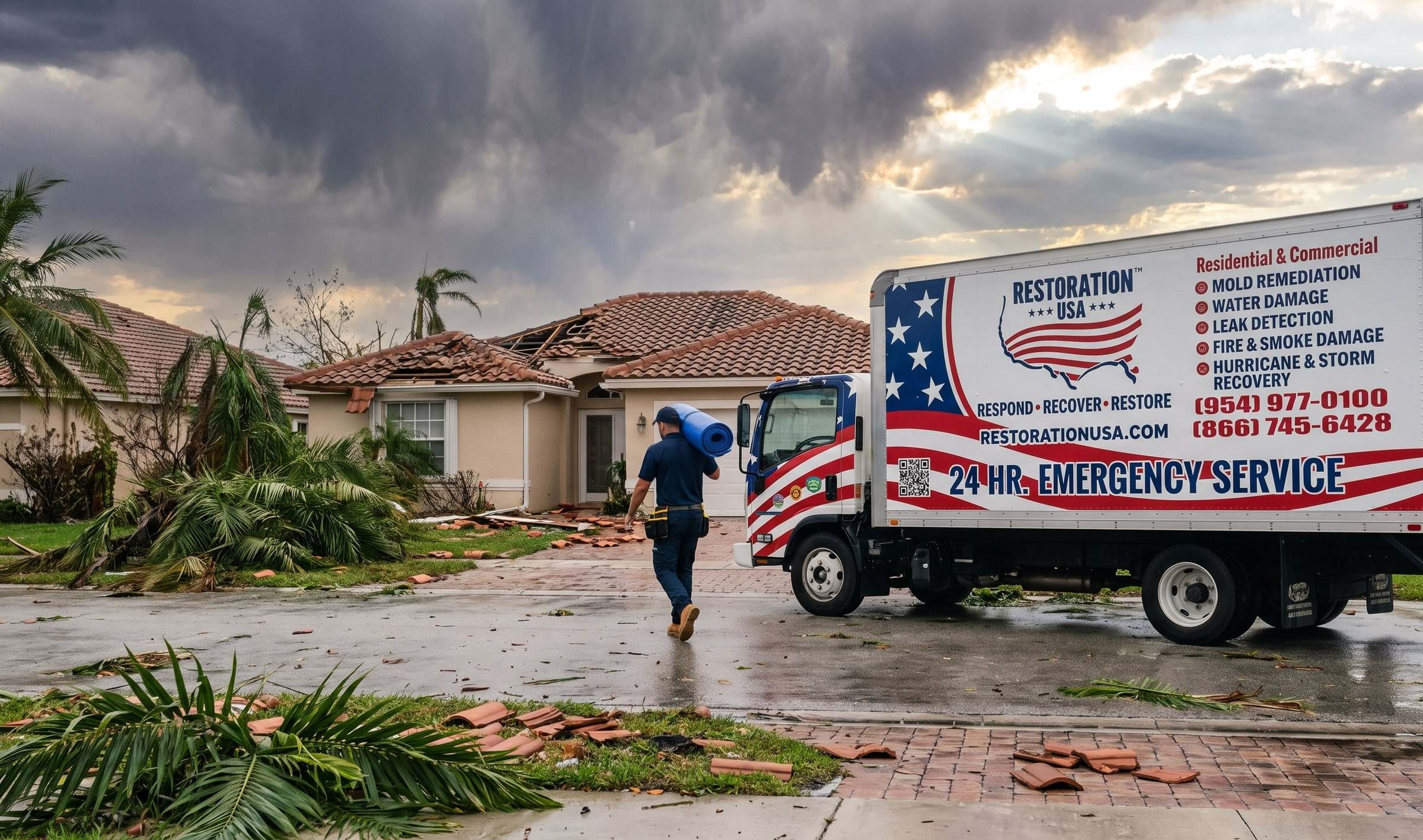
Emergency tarping and board-up, water removal, and drying after hurricanes, tropical storms, and severe thunderstorms, with damage documented for your claim.
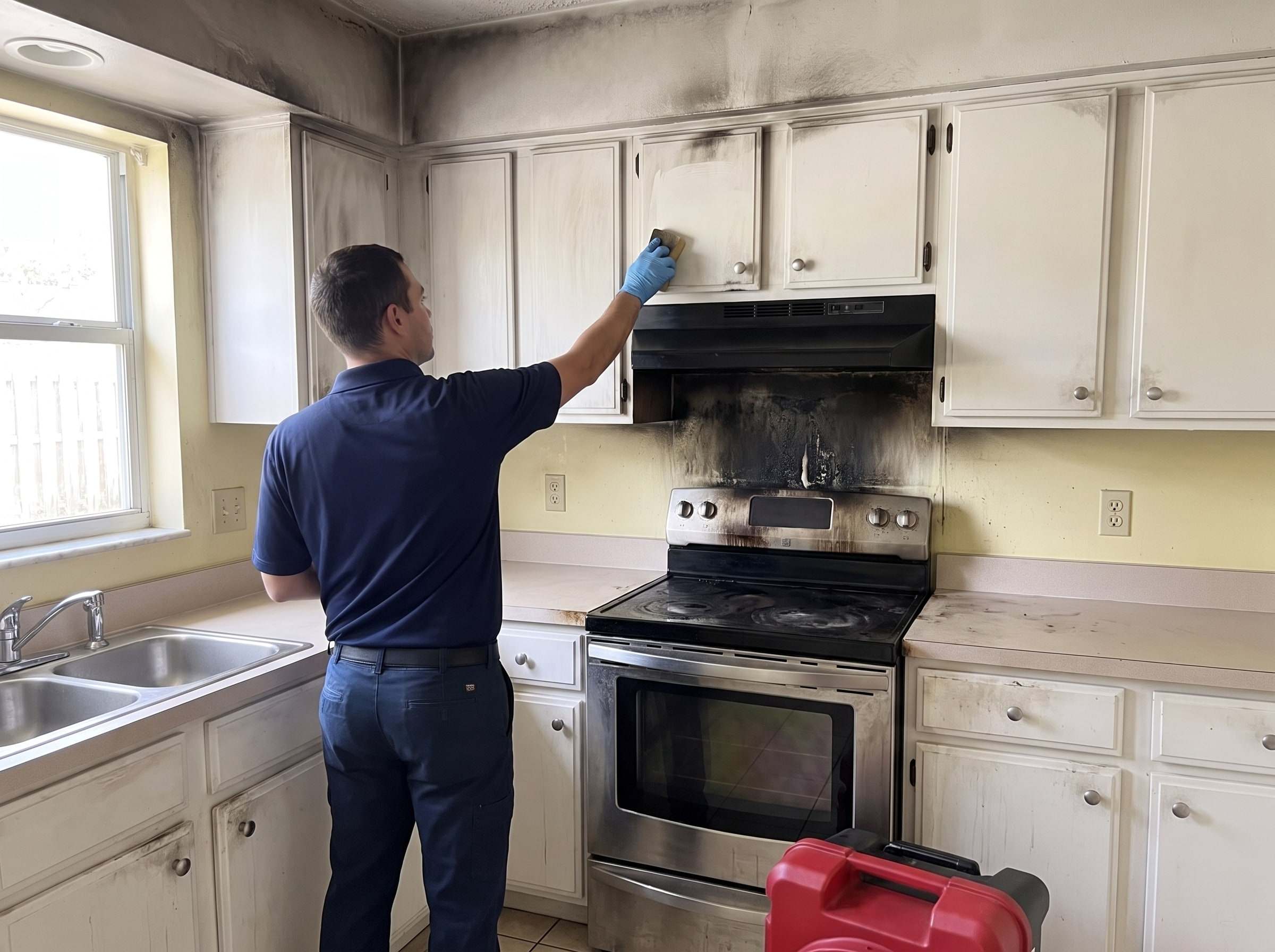
Board-up, soot removal, smoke odor treatment, contents cleaning, and drying of firefighting water after kitchen, electrical, and other fires.
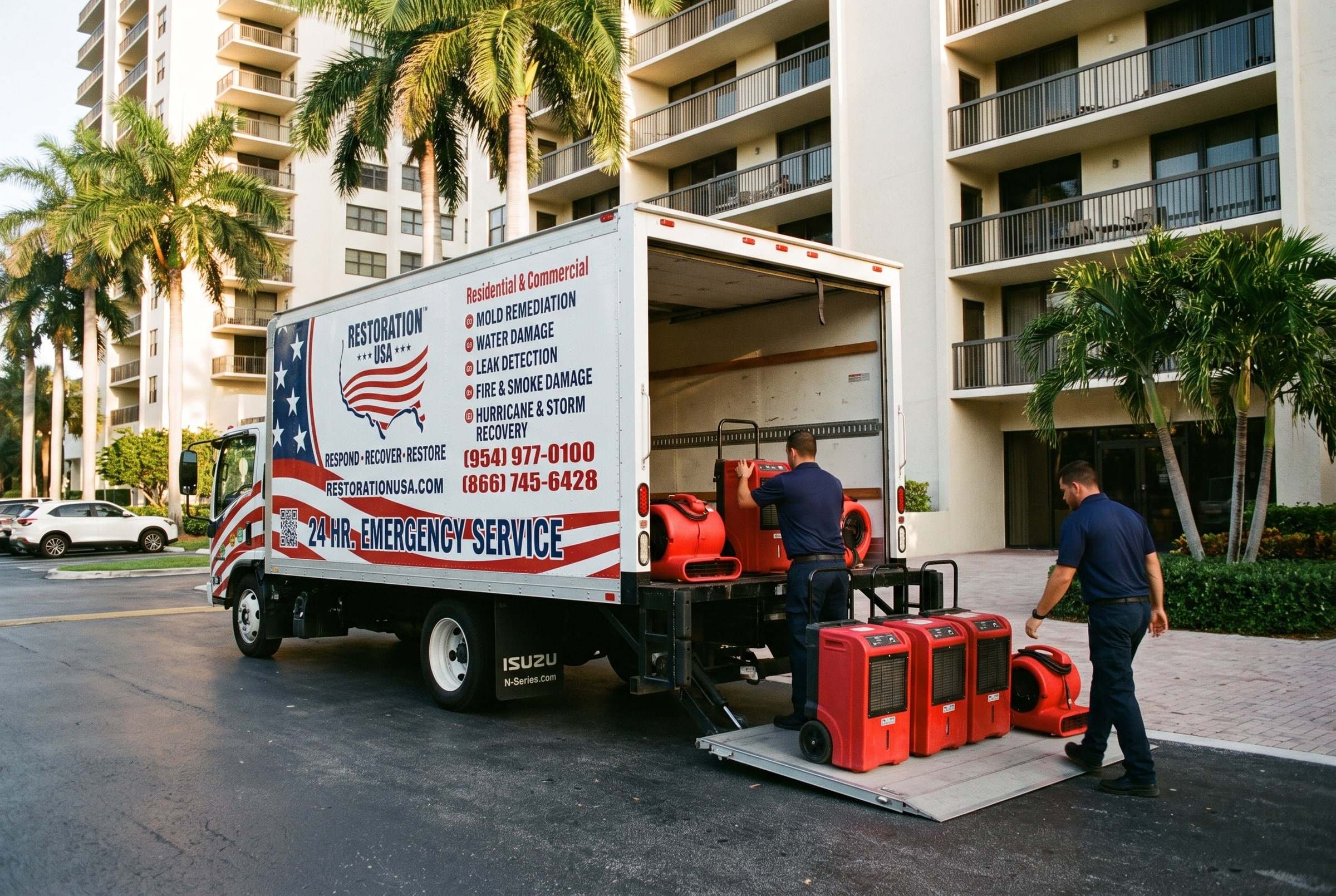
Water, mold, fire, and storm restoration for offices, retail, restaurants, warehouses, and multifamily buildings, phased to keep the rest of the property running.
How it works
Respond
Stop the damage from spreading.
We answer 24/7. We walk you through shutting off the water and power to wet areas, then schedule a crew.
Meters and thermal imaging show where the water went, including inside walls and under flooring. Starting conditions are photographed.
Recover
Get the water out and the structure dry.
Extraction removes the bulk of the water fast, which shortens drying time more than anything else.
Air movers and dehumidifiers are set for the space. We take readings every day and adjust until materials reach the dry standard.
Restore
Return the property to pre-loss condition.
Affected areas are cleaned and treated. Materials that could not be saved are replaced.
You get the photos, moisture logs, and itemized scope your adjuster needs, so the claim is supported by records.
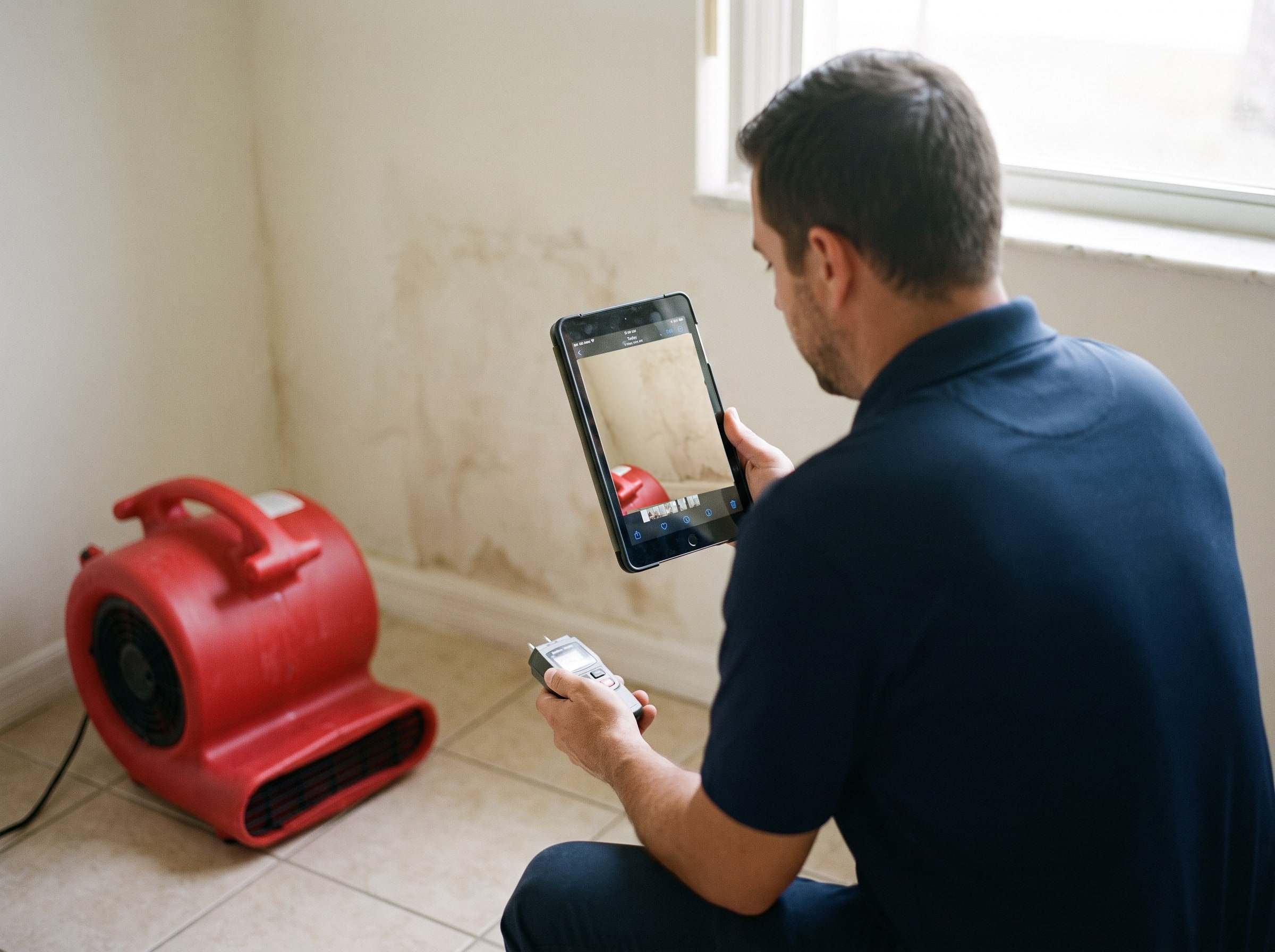
★ Every job is documented: photos, readings, and an itemized scope.
Insurance
You own the claim and talk to your adjuster. We make sure the adjuster has what they need to make a decision: what happened, what got wet, and how it was dried. For covered claims, we bill your insurance company directly.
Carriers we've worked with: Citizens Property Insurance, Universal Property & Casualty, Tower Hill Insurance, State Farm, Allstate, USAA, and many more. We are not affiliated with or endorsed by any insurance company.
Coverage decisions belong to your insurer and depend on your policy. Florida does not allow assignment of benefits on property policies issued on or after January 1, 2023, so you stay in control of your claim.
How water damage claims work in FloridaFAQ
We take calls from across Miami-Dade, including Miami, Aventura, Miami Beach, and the communities in between. Call with your address and what happened, and we will tell you when a crew can be there.
Photograph the source, the damage in your unit, and any damage below or beside it, and note the date and time you found it. Keep the plumber's report if you have one. We record moisture readings and every affected material so the association and each insurer are working from the same information.
Usually, yes, if you want your unit covered. An association's flood policy is written for the building. Your contents and the improvements inside your unit generally need a separate flood policy in your name, through the NFIP or a private carrier.
When the water table is high during the rainy season, a slab can stay damp from below. We take readings over several days and compare them with unaffected areas so we can tell leftover water from the loss apart from normal background moisture before calling a room dry.
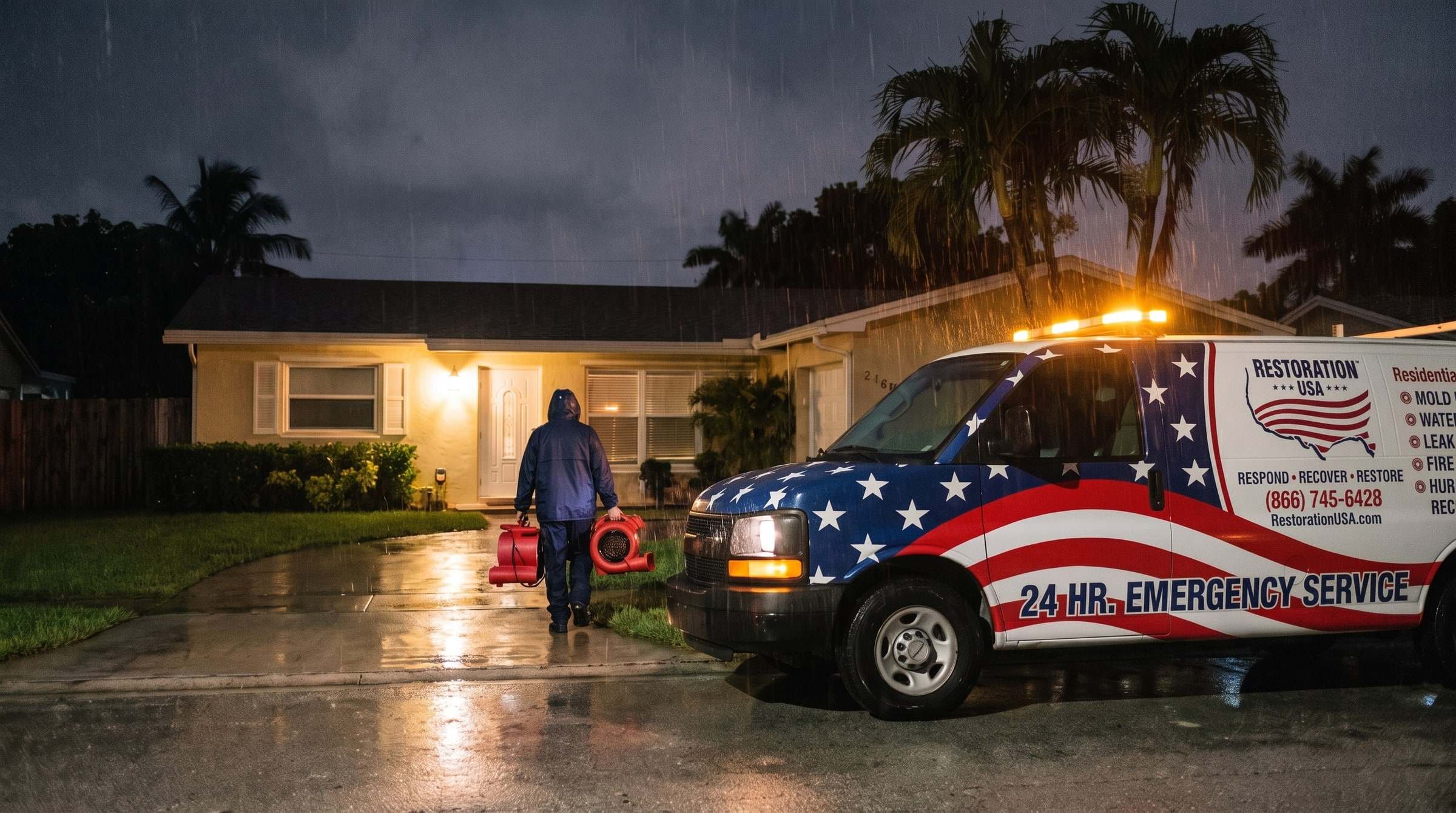
Don't wait. Go with the pros.
Call the 24/7 line. We will help you stop the source, tell you what to move, and get a crew scheduled. Not urgent? Send a request and we will call you back.
Call 24/7 (305) 330-1488On call 24/7
Schedule a no-cost on-site inspection. A restoration specialist will contact you within a few minutes to confirm the details.
Request received
Thank you. A restoration specialist will contact you at the number provided to confirm the details. If water is still coming in, call now and we'll walk you through shutting it off.
(305) 330-1488Recognized by