Flood Damage Cleanup & Restoration
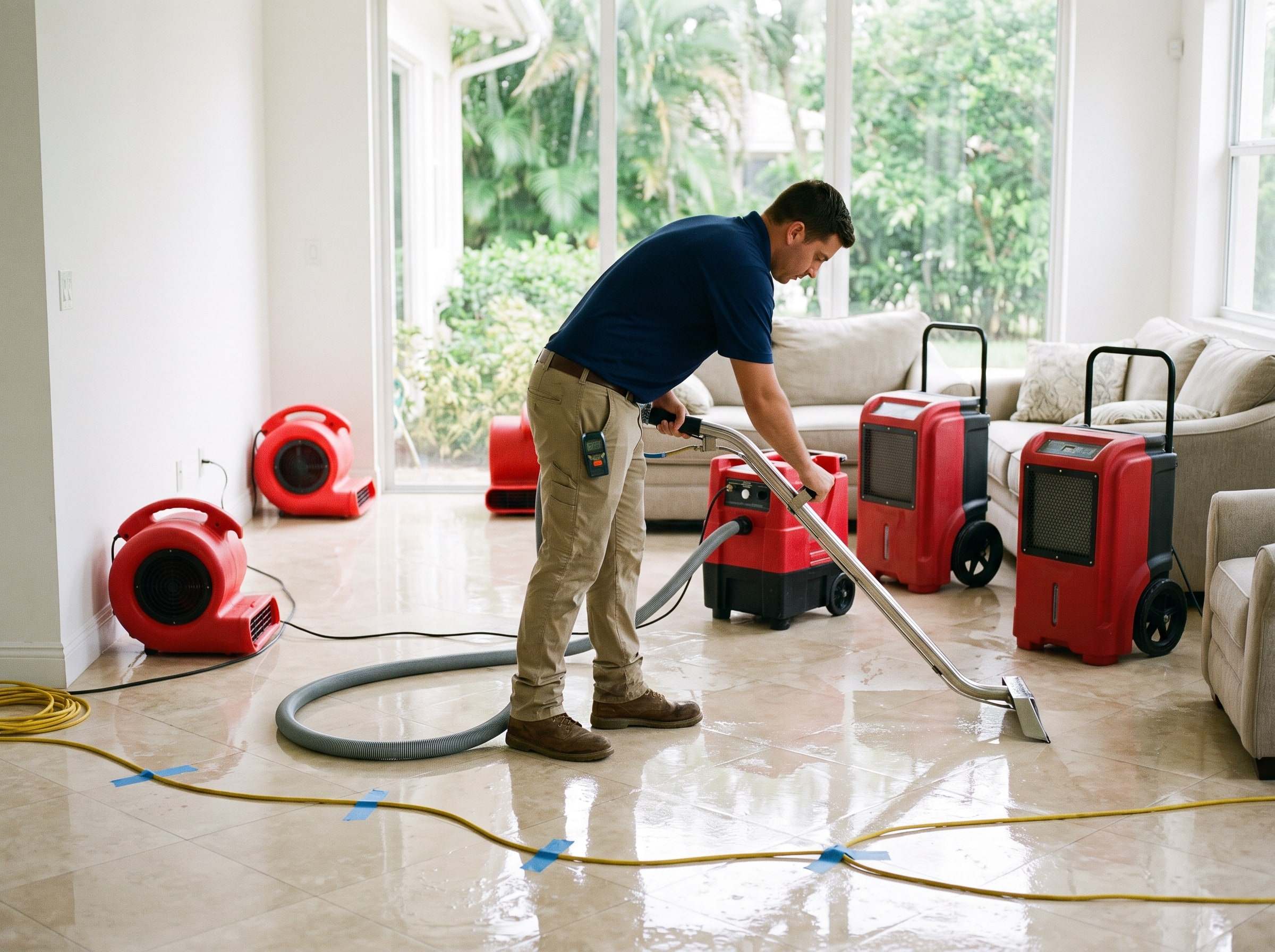
Category 3 cleanup for storm surge, street flooding, and tidal water: extraction, flood cuts, sanitizing, and drying, documented for a flood claim.
Storm and hurricane damage
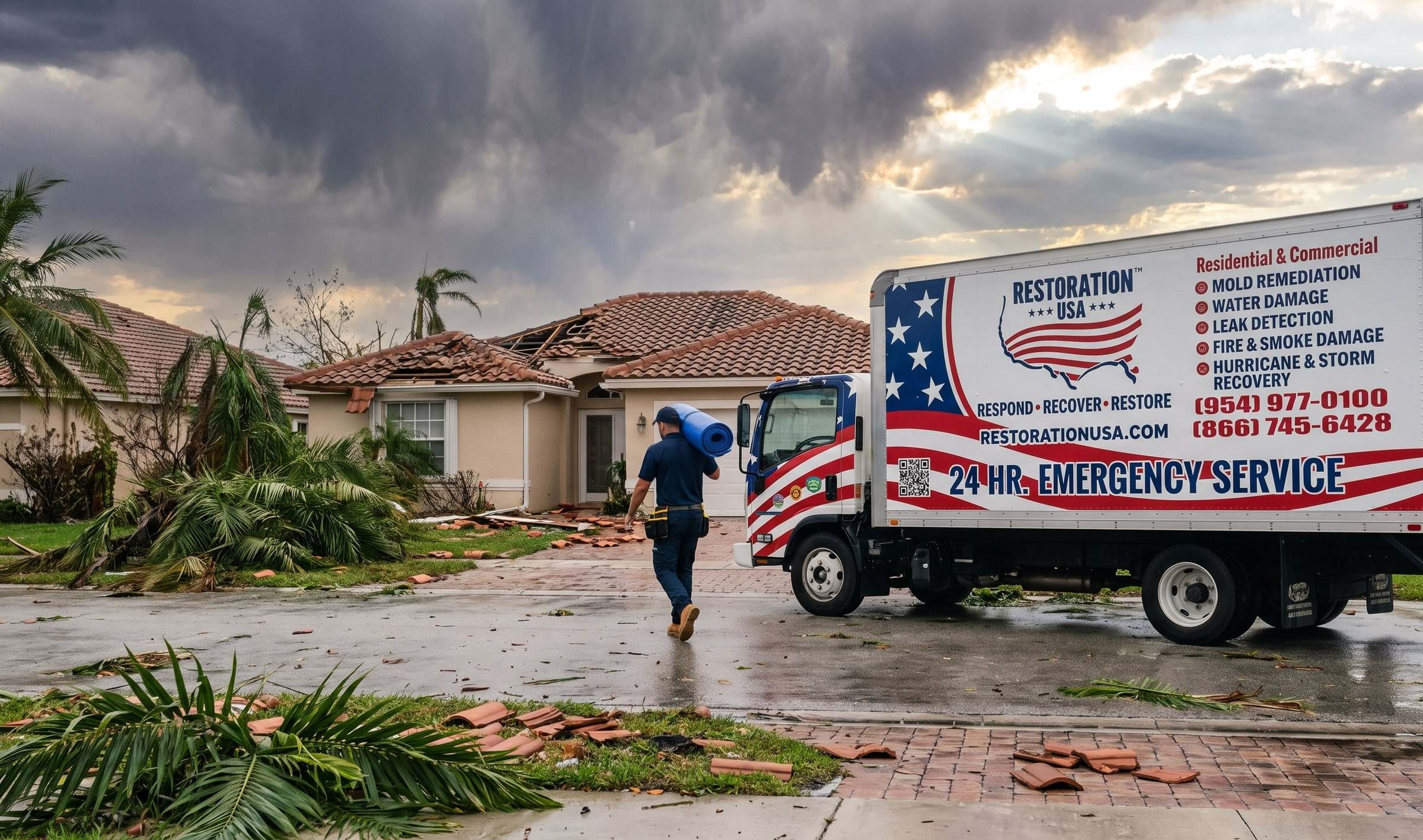
We tarp the roof, board up broken openings, and get the water out. Then we dry the building and record the wind and water damage room by room for your claim.
On call 24/7
Schedule a no-cost on-site inspection. A restoration specialist will contact you within a few minutes to confirm the details.
Request received
Thank you. A restoration specialist will contact you at the number provided to confirm the details. If water is still coming in, call now and we'll walk you through shutting it off.
(954) 289-0566Recognized by





Storm damage is usually two losses at once: an opening in the building and the water that came through it. A lifted section of roof, a shattered slider, or a failed window seal lets wind-driven rain in for hours, and the interior damage grows until that opening is covered.
So the work starts outside. We tarp roof breaches and board up broken windows and doors to secure the building, then move inside to extract water, remove soaked materials, and dry the structure. Storm debris inside the building is cleared so the space is safe to work in.
Hurricane season runs June 1 through November 30, but squall lines and summer thunderstorms cause the same kind of damage the rest of the year. Miami-Dade and Broward fall within the Florida Building Code's High-Velocity Hurricane Zone, and newer buildings are designed to resist impact, yet roof coverings, flashing, and window seals still give way under hours of wind and rain.
What to look for
Rain that got past the roof covering soaks attic insulation first. The stain may not appear on the ceiling until several days after the storm.
Insulation that looks matted or dark has taken on water and is holding it against the ceiling drywall and roof deck.
Rain forced through window and door frames runs down inside the wall. Check under sills for soft drywall or blistered paint.
Water follows ceiling penetrations. Moisture at a fixture or smoke detector means the ceiling cavity is wet; turn off that circuit.
Concrete and clay tiles can crack or loosen without falling off, so a roof can look intact from the ground and still leak.
Without AC, indoor humidity climbs fast. A musty odor after a long outage often means wet materials and early mold growth.
Our process
Securing the building comes first. Interior drying only holds once water has stopped getting in.
Tell us what is open to the weather and where water is entering. We will tell you when a crew can be there and what to protect in the meantime.
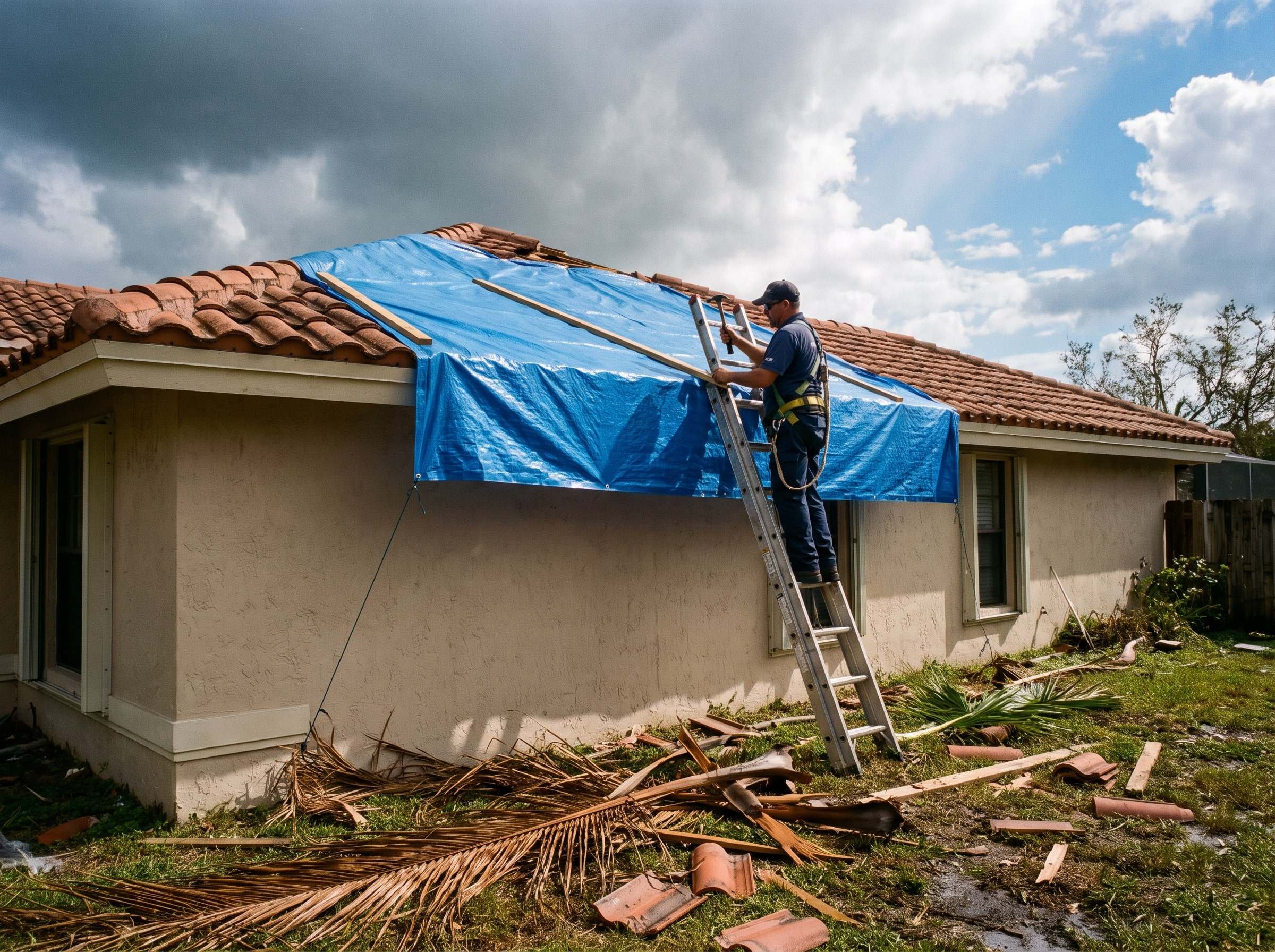
Roof breaches are covered with tarps fastened to the structure, and broken windows and doors are boarded to keep out rain and intruders.
Before interior work begins, we photograph exterior damage, each point of water entry, and the conditions in every affected room.
Standing water is extracted. Soaked ceiling drywall, attic insulation under the breach, carpet pad, and other materials that will not dry in place come out.
Dehumidifiers and air movers are placed for each room, and readings are taken daily until walls, ceilings, and floors are back to normal.
Surfaces wet by rainwater are cleaned and treated with antimicrobial products. Anything that took on floodwater is handled as Category 3.
With the structure dry, interior repairs return the property to its pre-storm condition, coordinated with your roofer and other trades.
Types and causes
Sustained wind, gusts, and hours of rain that test every roof edge, window, and door, even from storms that do not make a direct hit.
Rain pushed sideways through window frames, door thresholds, soffit vents, and stucco cracks where nothing looks broken.
Lifted shingles, cracked or missing tiles, torn underlayment, and flashing that pulls away at walls, vents, and skylights.
Limbs and debris that puncture roofs, break glass, and leave walls open to the weather.
Squall lines and tornadoes spun off by tropical systems can cause concentrated wind damage far from the center of a storm.
Rising water from the ocean or overwhelmed drainage, treated as contaminated floodwater and usually a separate claim.
Timing
An open roof or window lets in more water with every rain band, and afternoon storms keep coming after a hurricane passes.
Water enters through breaches and soaks insulation, ceilings, and walls. Stay inside and away from windows until it passes.
Ceilings sag under wet insulation and can come down. Tarping and board-up stop new water from getting in.
Without power and air conditioning, humidity rises and mold can start on wet drywall, insulation, and wood.
Roof decking, framing, and flooring keep deteriorating, and most policies expect owners to have taken reasonable steps to stop further damage.
Why Restoration USA
Call during the cleanup, at night or on the weekend. We will give you a realistic time for a crew.
Tarping, board-up, extraction, and drying from one company, so the building is closed up before interior work starts.
Photos of each opening, moisture readings, and an itemized scope show the adjuster what the wind did and what the water did.
Single-family homes, condo buildings, HOA communities, offices, and retail plazas.
Reviews
My wife said it all. Restoration USA is fabulous and very professional. They work as a team. Our house went upside down during Hurricane Irma. We had just bought our house move in ready and then the Hurricane. James and his company came in and saved the day.
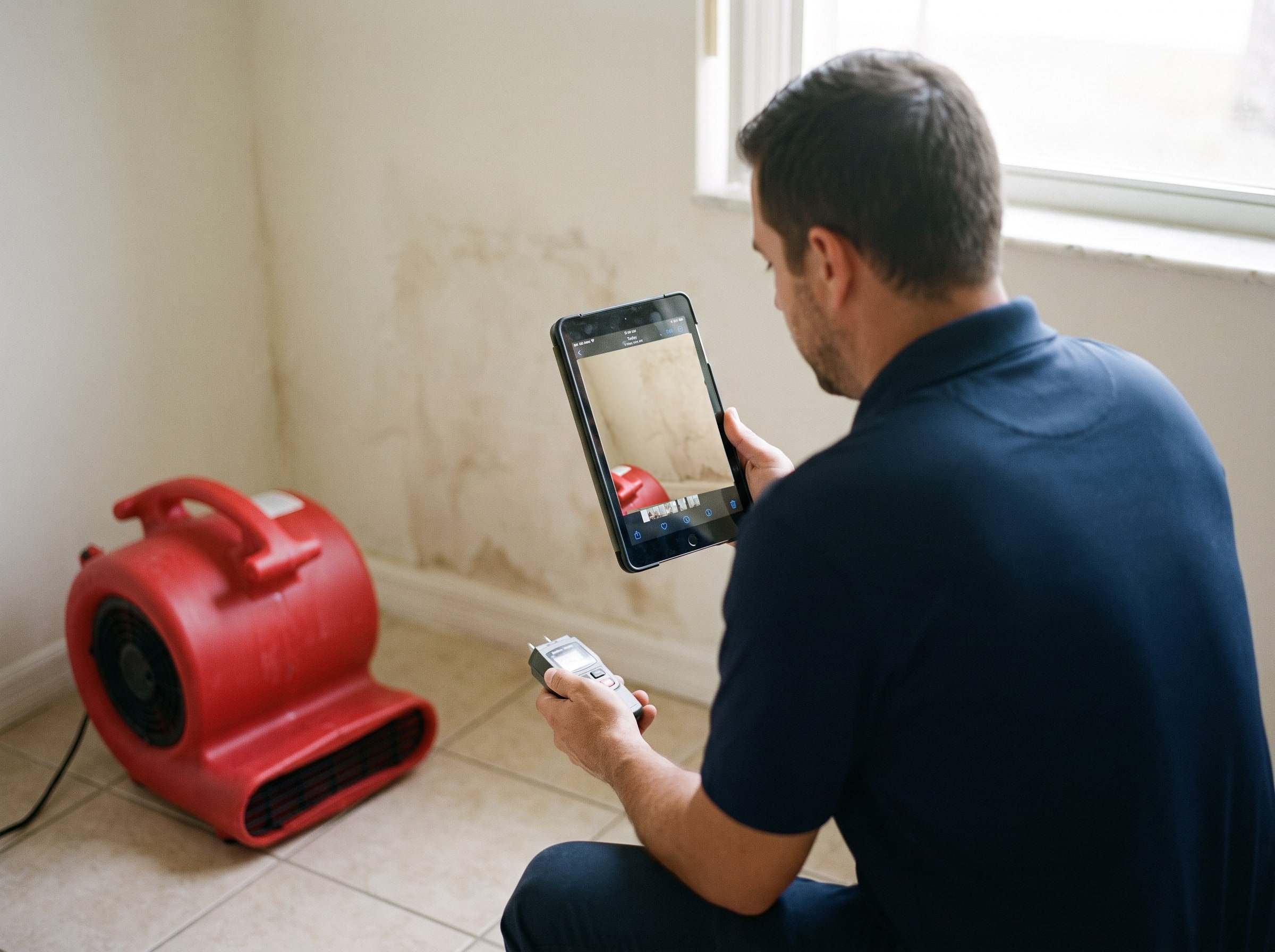
★ Every job is documented: photos, readings, and an itemized scope.
Insurance
Florida homeowners policies usually carry a separate hurricane deductible, commonly 2, 5, or 10 percent of the dwelling coverage rather than a flat dollar amount. It applies to hurricane damage; losses from other storms fall under the regular deductible. Your declarations page lists both.
Wind and rain that enter through a damaged roof or window are generally covered by homeowners insurance, while rising water from surge or flooding needs a separate flood policy. Because one storm can cause both, we document each entry point and the water line in each room. Take your own photos before anything is moved, report the claim promptly, and keep receipts for tarping and board-up, since policies expect reasonable steps to protect the property.
Carriers we've worked with: Citizens Property Insurance, Universal Property & Casualty, Tower Hill Insurance, State Farm, Allstate, USAA, and many more. We are not affiliated with or endorsed by any insurance company.
Coverage decisions belong to your insurer and depend on your policy. Florida does not allow assignment of benefits on property policies issued on or after January 1, 2023, so you stay in control of your claim.
How water damage claims work in FloridaFAQ
Make sure everyone is safe, and stay out of rooms with sagging ceilings or standing water near outlets. Photograph and video the damage before moving anything, report the claim to your carrier, and call us to tarp, board up, and remove water. Keep receipts for anything you spend to protect the property.
Yes. We provide emergency roof tarping and board-up to stop rain from getting in and to secure broken windows and doors. A tarp is temporary protection for the interior until your roofer can make permanent repairs.
Yes. Impact windows are built to resist flying debris and wind pressure, but water can still get in around the frame if sealant or the installation has failed or the drainage weeps are blocked. It usually shows up as damp drywall or bubbling paint under the sill. We find where it is entering and dry the wall cavity.
After a widespread storm, restoration companies, roofers, and adjusters all get calls at the same time. Call as early as you can and we will tell you when a crew can be there. Until then, move belongings away from leaks, set out buckets, and do not climb onto a wet or damaged roof.
Tarping and board-up come first, as soon as a crew reaches the property. Drying generally takes several days once water stops coming in, longer for soaked block walls or hardwood. Repairs depend on the extent of the damage and on roofing and other trades, which are in heavy demand after a major storm.
Related services
Category 3 cleanup for storm surge, street flooding, and tidal water: extraction, flood cuts, sanitizing, and drying, documented for a flood claim.
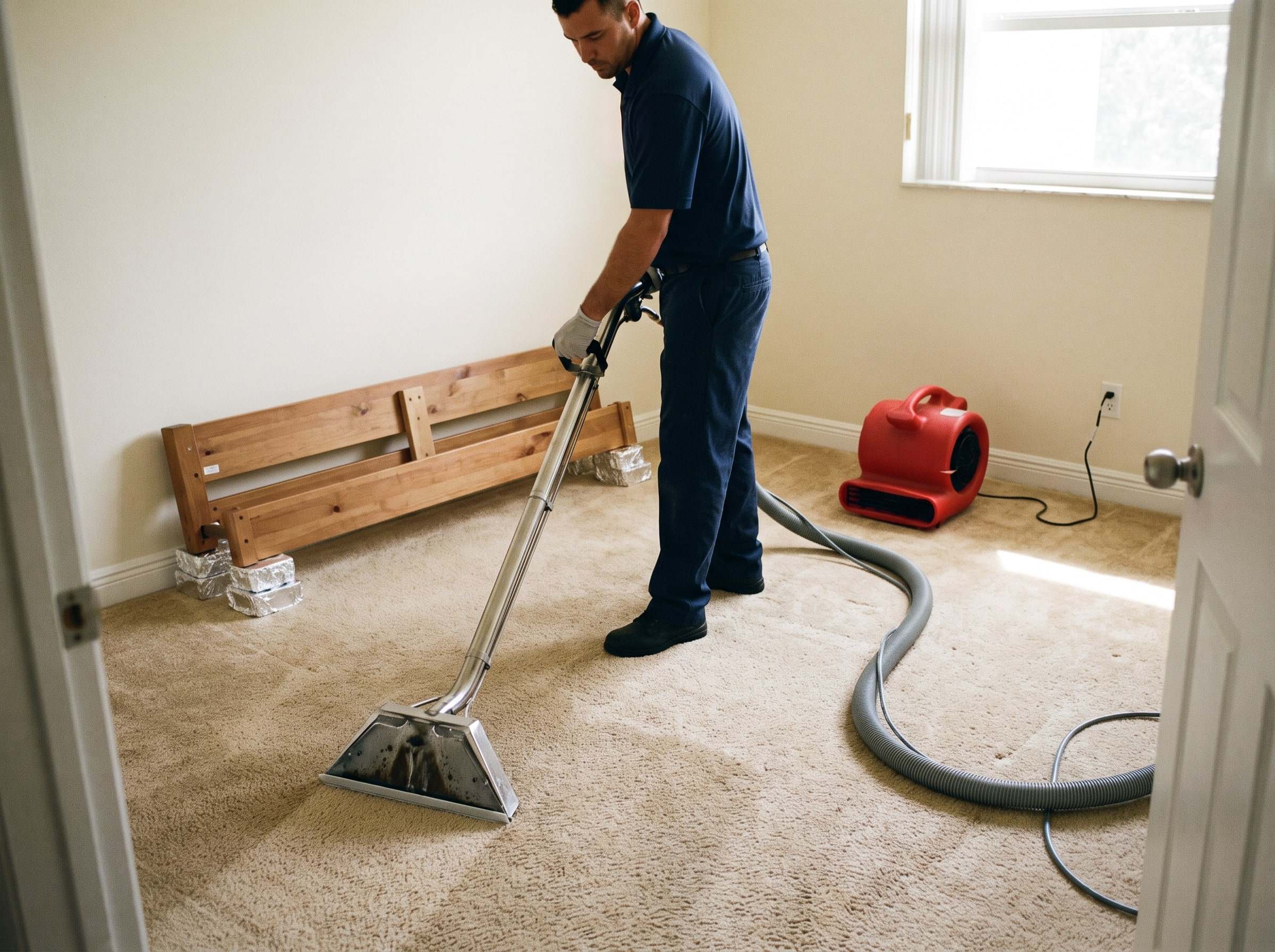
Pumping, truck-mount and portable extraction, and weighted carpet extraction that get standing and absorbed water out before it spreads to walls and the unit below.
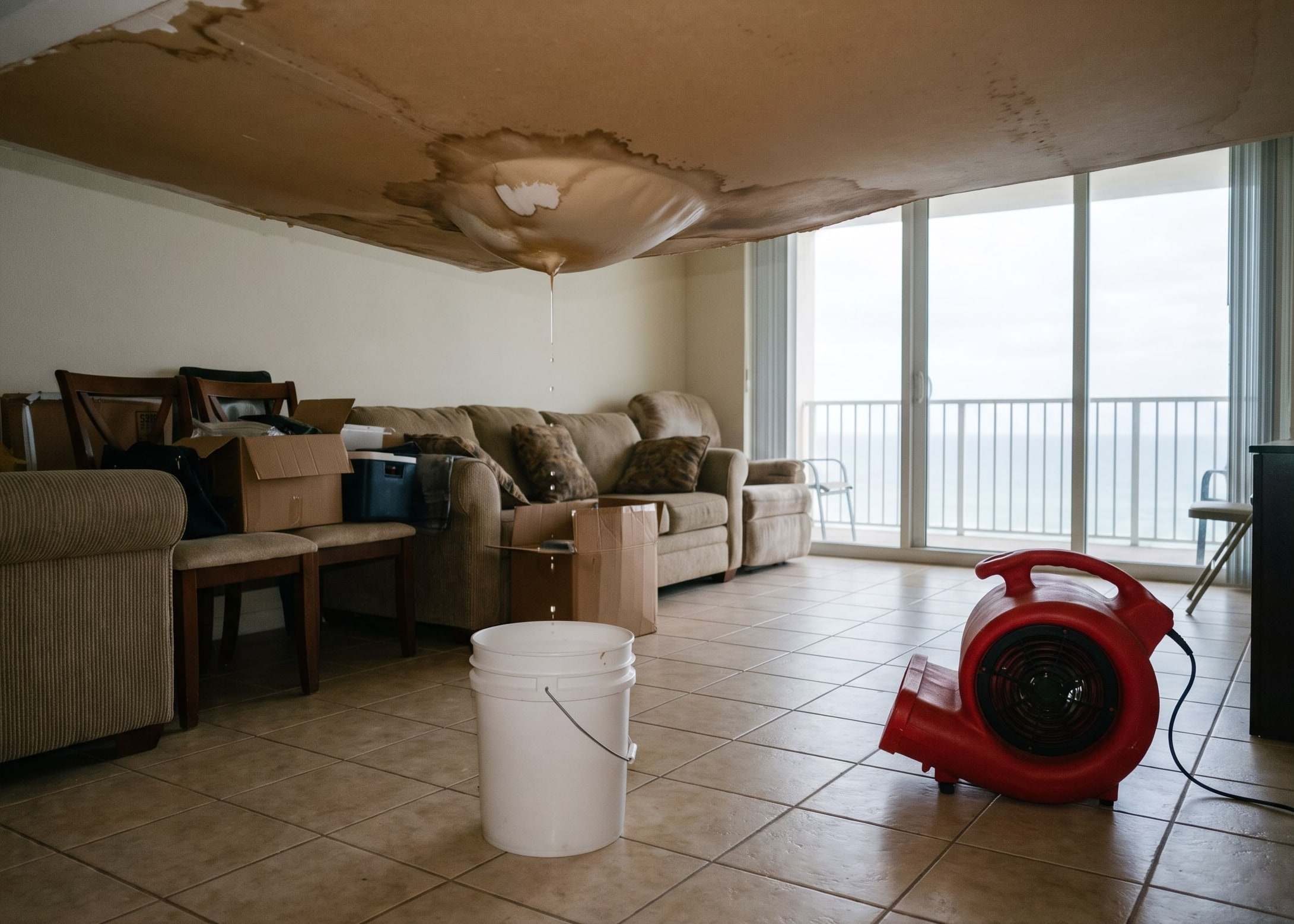
Tracing, making safe, drying, and repairing ceilings soaked by condo leaks, attic AC units, plumbing, and roof leaks.
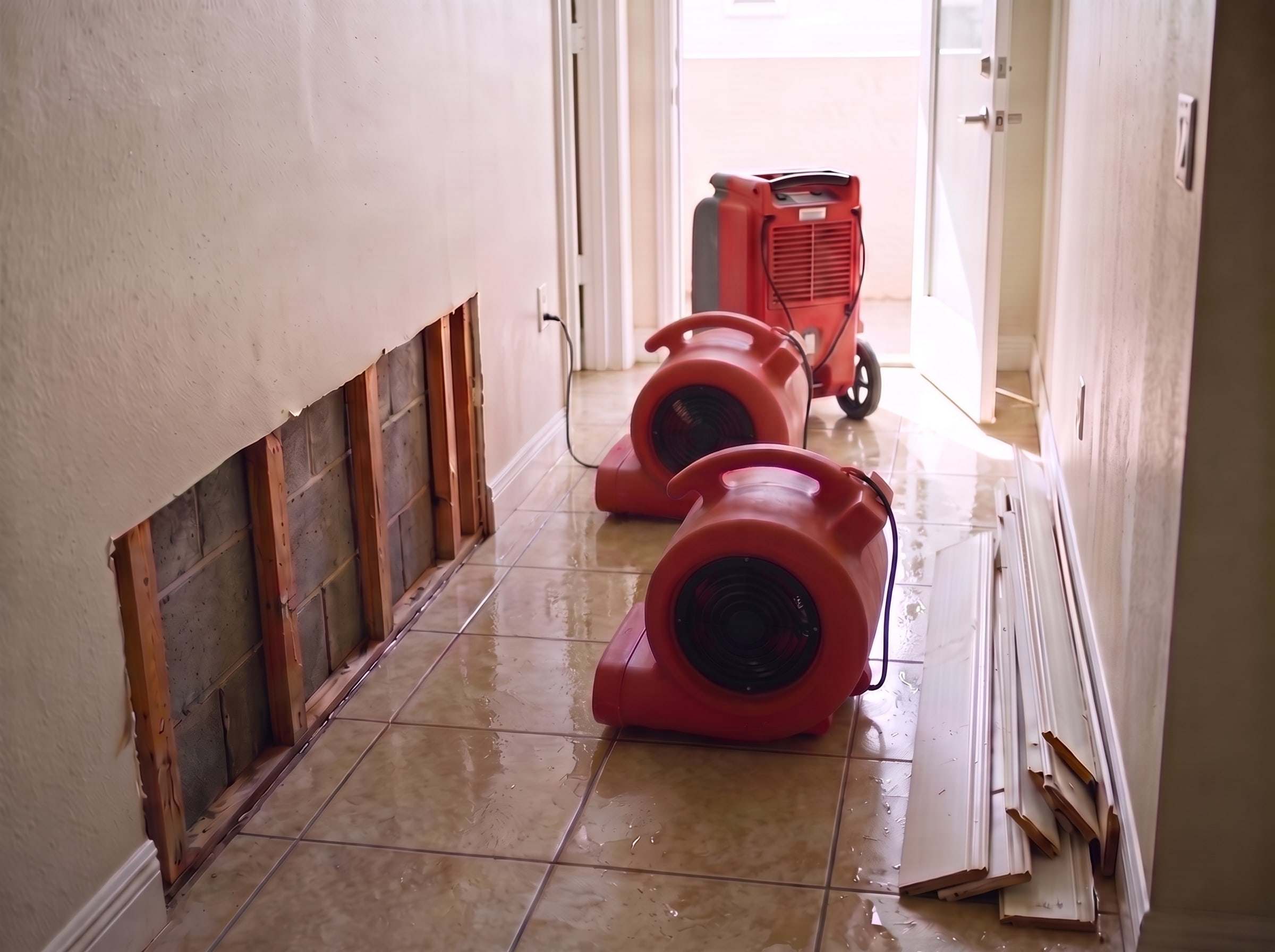
Dehumidification, air movement, and targeted drying for wall cavities, block, slabs, and hardwood, tracked with daily moisture readings.
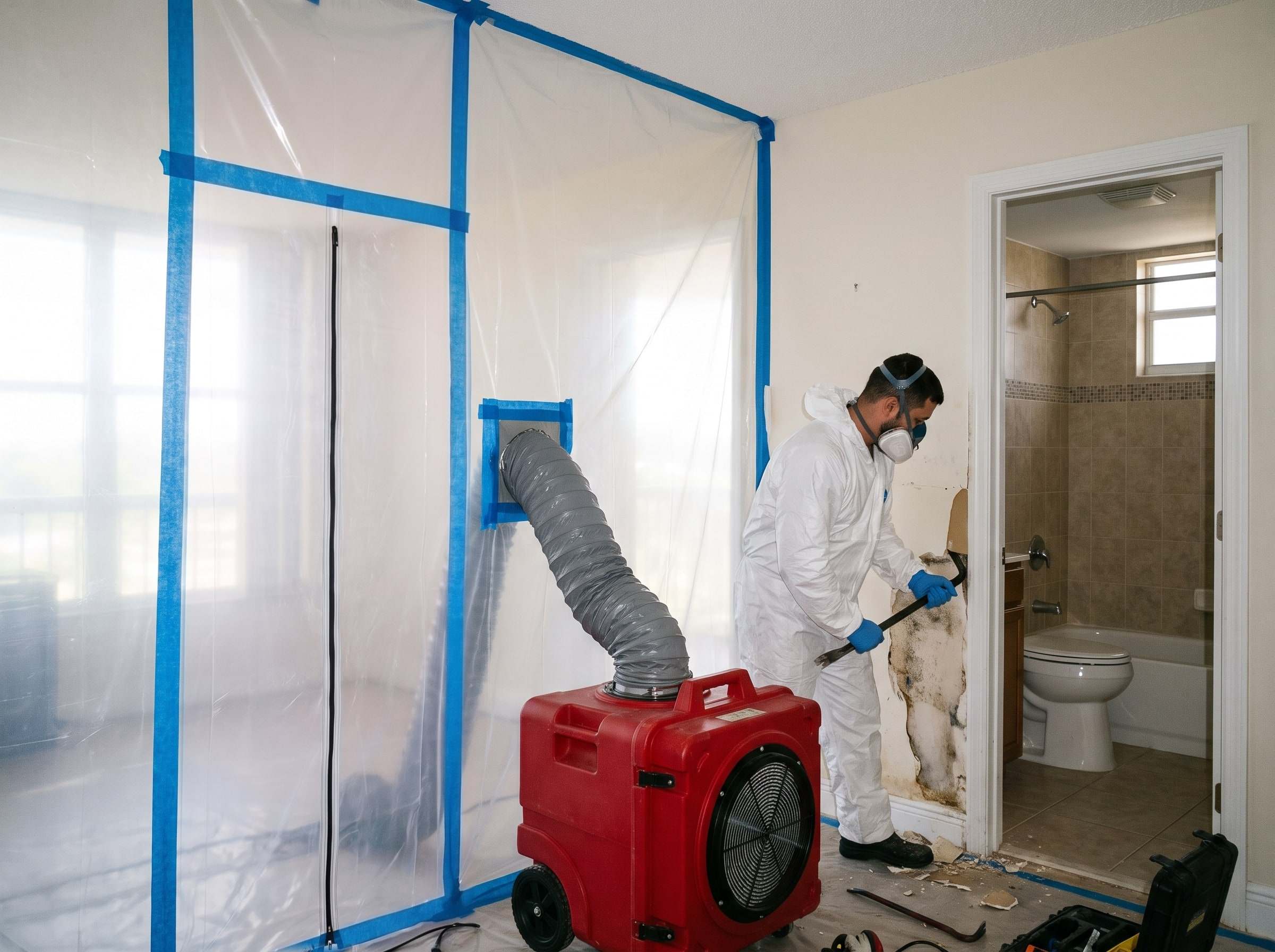
Containment, HEPA filtration, removal of moldy materials, and detailed cleaning to IICRC S520, with the moisture source found and fixed first.
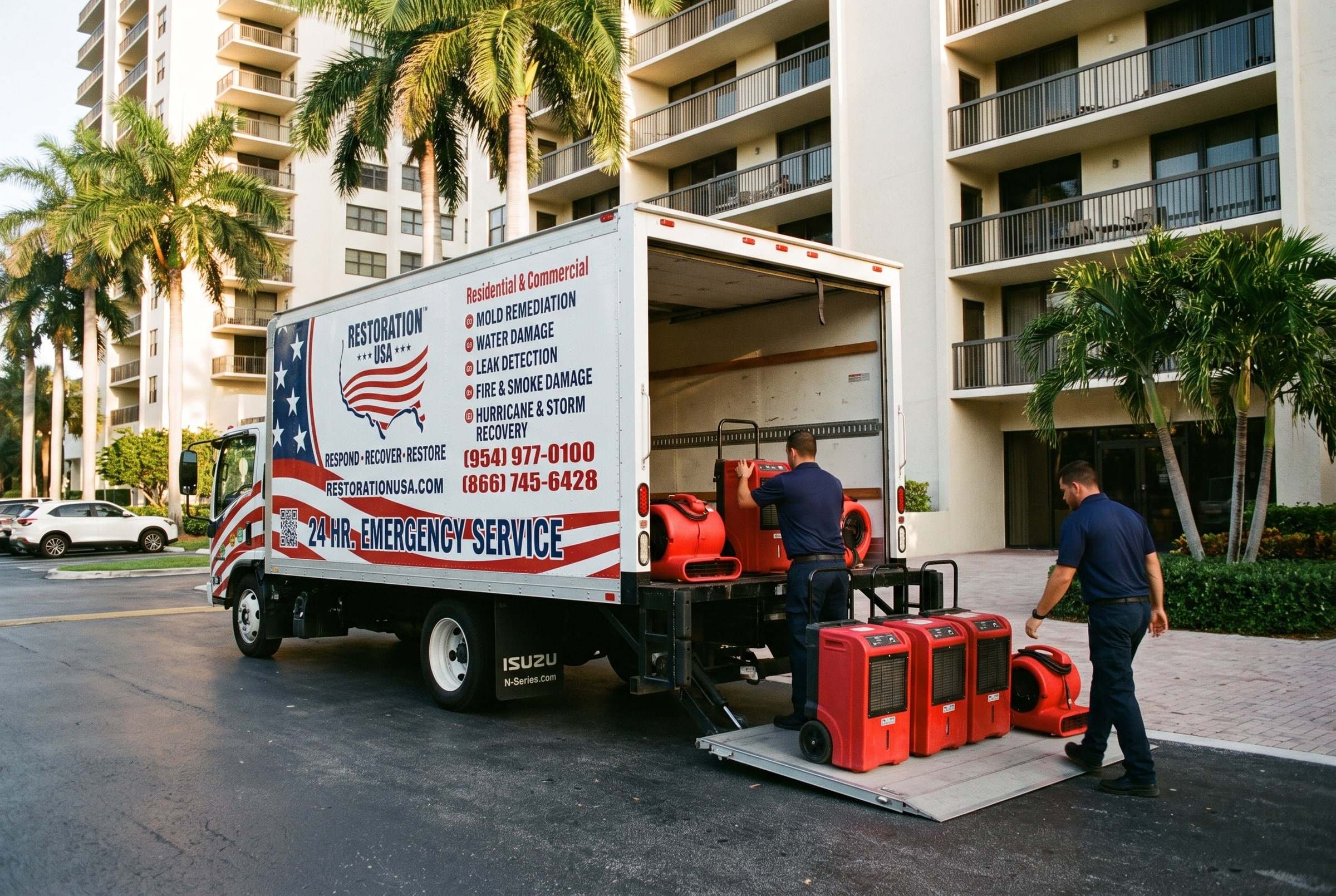
Water, mold, fire, and storm restoration for offices, retail, restaurants, warehouses, and multifamily buildings, phased to keep the rest of the property running.
Service areas
We cover Miami-Dade, Broward, and Palm Beach counties. These are some of the cities where we handle storm damage most often.
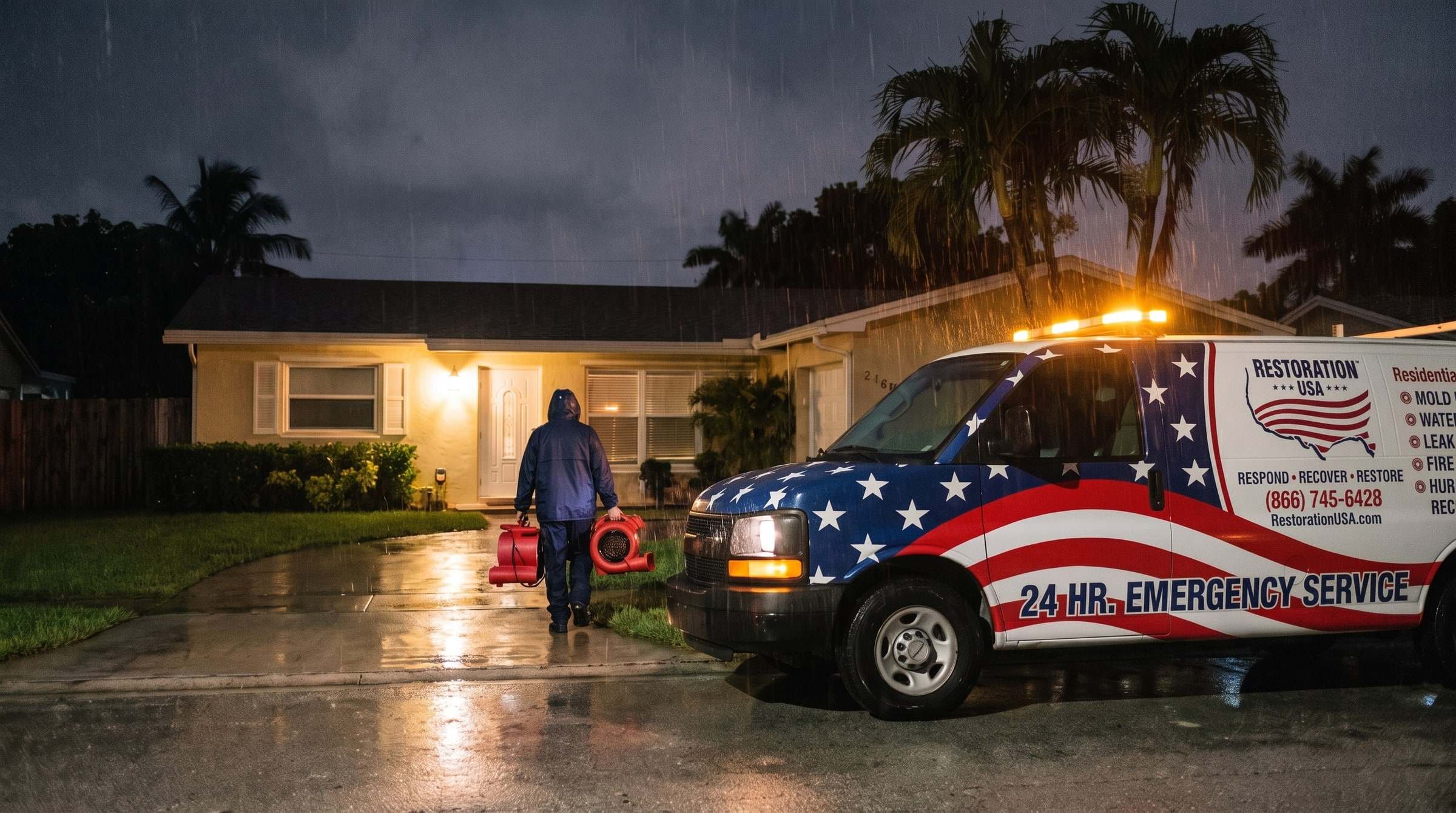
Don't wait. Go with the pros.
Call the 24/7 line. We will help you stop the source, tell you what to move, and get a crew scheduled. Not urgent? Send a request and we will call you back.
Call 24/7 (954) 289-0566On call 24/7
Schedule a no-cost on-site inspection. A restoration specialist will contact you within a few minutes to confirm the details.
Request received
Thank you. A restoration specialist will contact you at the number provided to confirm the details. If water is still coming in, call now and we'll walk you through shutting it off.
(954) 289-0566Recognized by