
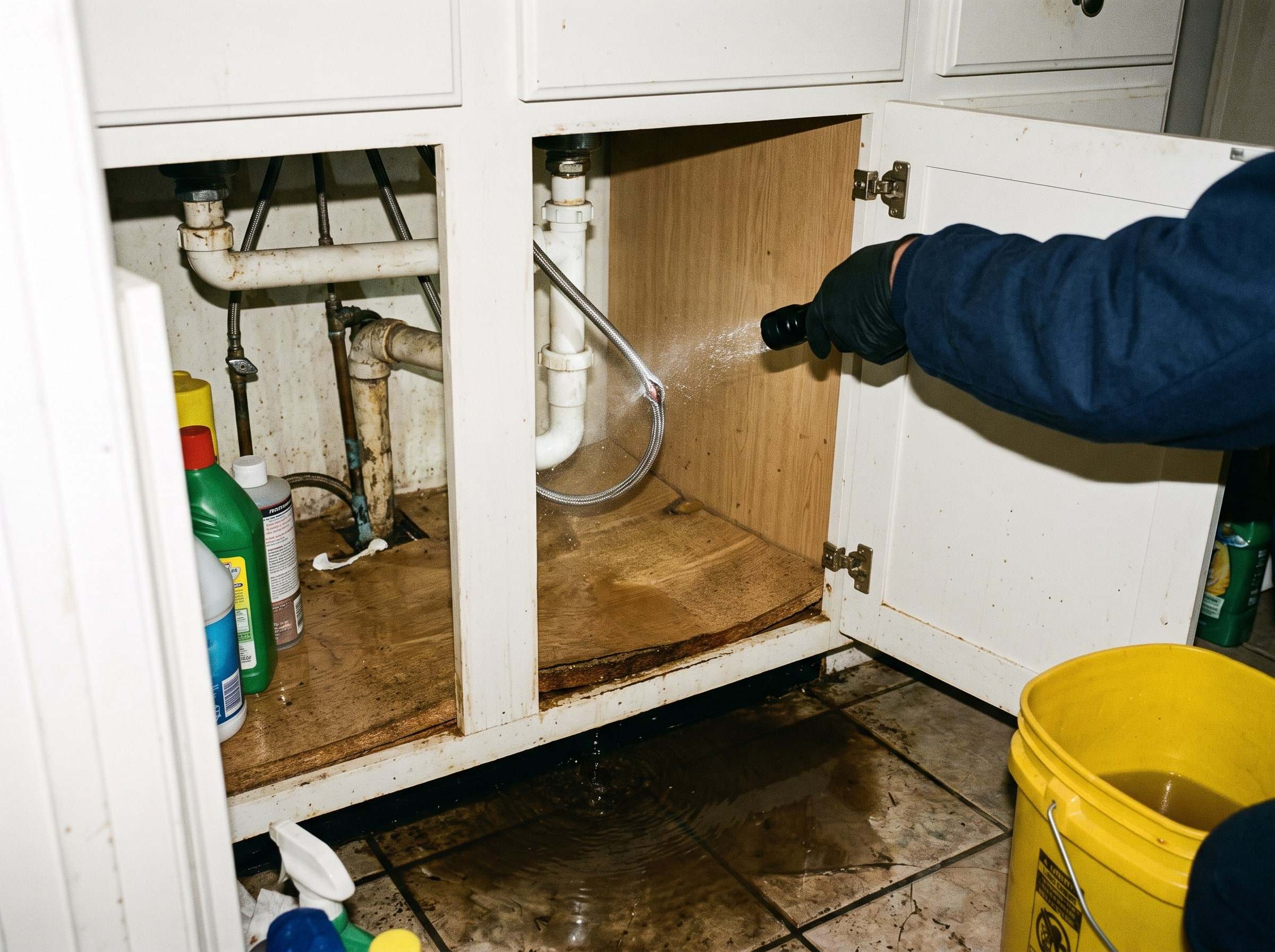
Burst Pipe & Plumbing Leak Water Damage
Extraction, drying, and repairs after supply line breaks, pinhole leaks, slab leaks, and failed valves, coordinated with your plumber.
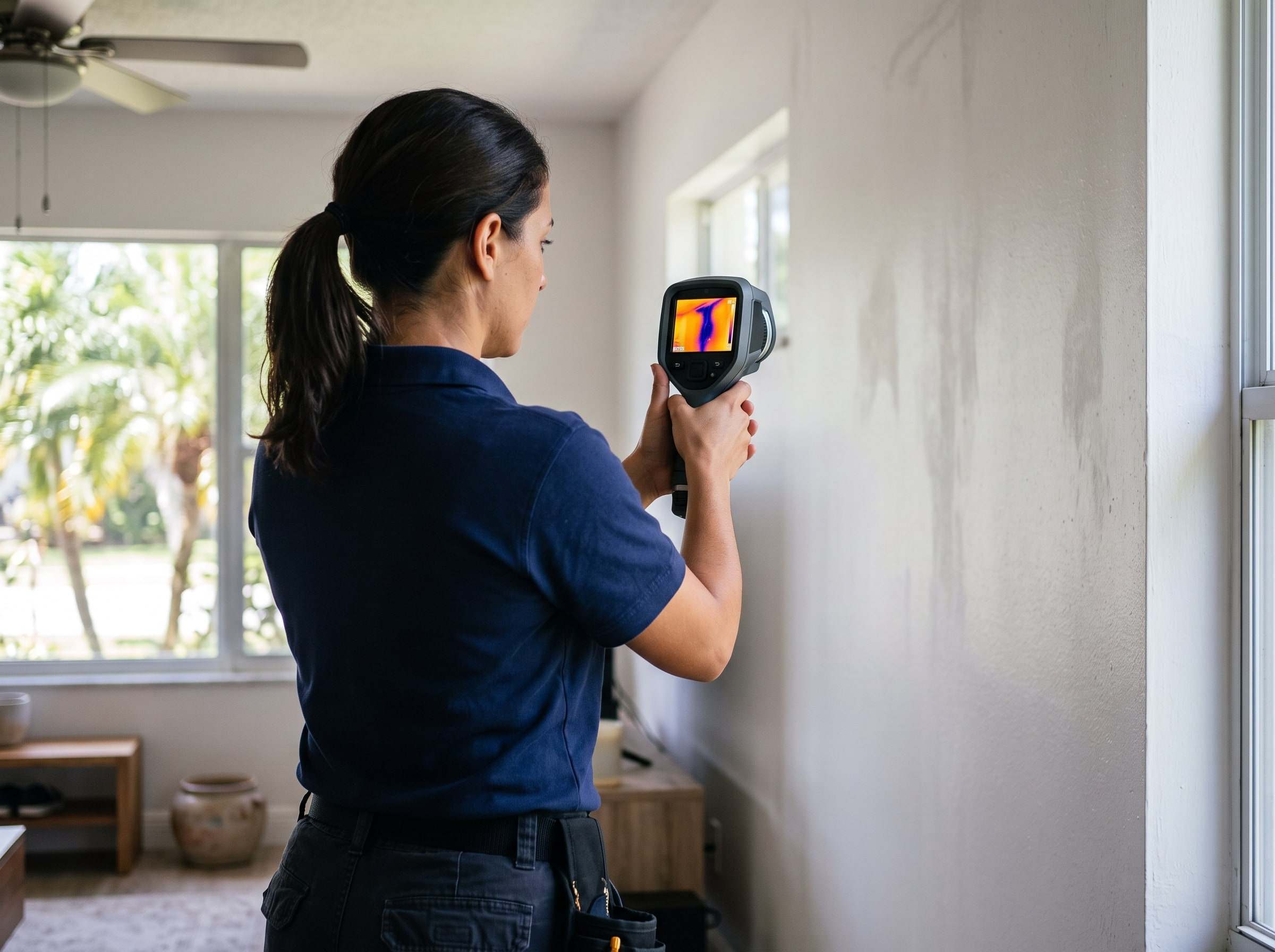
Leak detection
Pressure tests, acoustic listening, thermal imaging, and moisture mapping narrow a hidden leak in your South Florida home, condo, or business to one spot, so the repair opens a small section of floor or wall instead of a whole room.
On call 24/7
Schedule a no-cost on-site inspection. A restoration specialist will contact you within a few minutes to confirm the details.
Request received
Thank you. A restoration specialist will contact you at the number provided to confirm the details. If water is still coming in, call now and we'll walk you through shutting it off.
(954) 289-0566Recognized by





It narrows a hidden leak to one spot from the surface: a pressure test shows which line is losing water, acoustic equipment hears where it escapes, and thermal imaging and moisture meters show where the water has spread. Nothing is opened until the leak is marked, so the repair needs one small opening instead of a torn-out room.
Most South Florida homes run their water lines under a concrete slab or inside block walls, so a leak rarely shows up as a drip. It shows up as a higher water bill, a warm spot in the tile, a meter that keeps turning, or a stain that never dries. No single tool turns that symptom into a marked spot, so the methods are checked against each other, and drain lines get a video camera run through the pipe to look for cracks, separated joints, and corrosion.
Once the leak is found, we mark it and explain what we found and why. Leak detection is part of our free inspection; the repair itself is plumbing work, and we can coordinate it with your plumber. If the leak has already soaked drywall, cabinets, or flooring, we dry those areas so the problem does not turn into mold.
What to look for
The clearest sign is a water meter that keeps moving with every faucet, appliance, and irrigation zone off. Warm spots on the floor, cracked or hollow-sounding tile, swollen baseboards, a water heater that rarely shuts off, and soggy spots in the yard are the others.
With every faucet, appliance, and irrigation zone off, the meter's leak indicator should sit still. If it turns, water is going somewhere.
A hot water line leaking under the slab heats the concrete above it. You may feel it barefoot, or notice a pet that always lies in one spot.
Tile that cracks, lifts, or sounds hollow in one area can point to water working its way under the floor.
A slow leak inside a wall or under a cabinet often shows first as a soft baseboard or a damp smell.
A leak on the hot side makes the heater refill and reheat over and over. If it rarely shuts off, the hot line is a suspect.
A patch of lawn that never dries, or pavers that settle, can mean a leak in the service line or irrigation.
Our process
We start broad and narrow down: a meter reading and pressure tests show which line is losing water, then acoustic equipment, thermal imaging, and moisture meters pinpoint the spot. Drain lines get a camera inspection, and nothing is cut open to go looking.
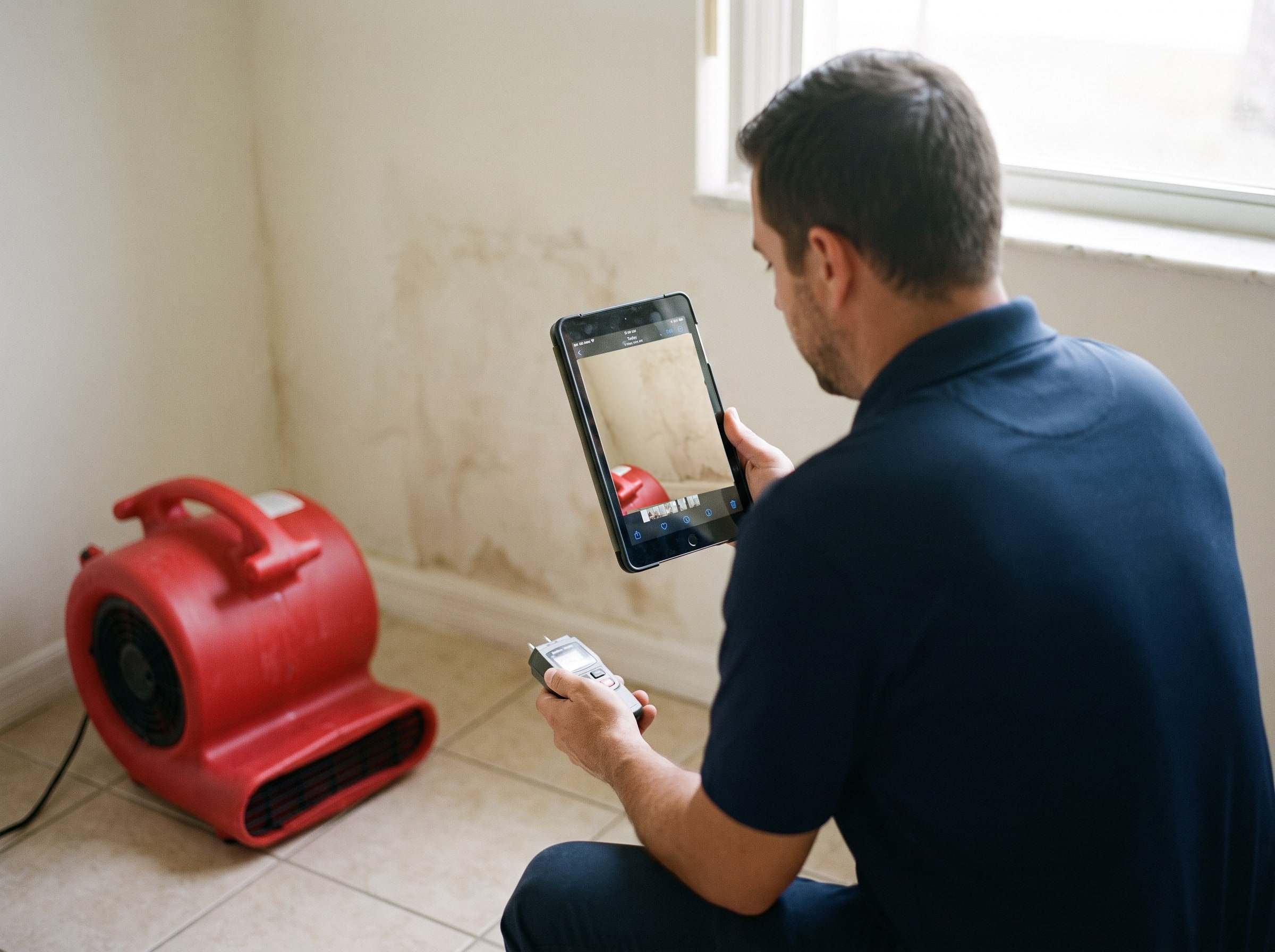
We start with your water bills, where the symptoms appear, the age of the plumbing, and whether the lines are copper, CPVC, PEX, or cast iron.
With fixtures off, we read the meter, then isolate and pressure-test lines to learn whether the leak is on the hot side, the cold side, the service line, or the irrigation.
Ground microphones and listening equipment pick up water escaping a pressurized line through tile, concrete, and soil. The sound is strongest closest to the leak.
Infrared cameras show the heat signature of a hot water leak and the cooler pattern of moisture in walls, ceilings, and floors.
Meters confirm what the camera shows and trace how far the water has traveled, which tells us how much drying the area needs.
For drain and sewer lines, a camera is run through the pipe to look for cracks, separated joints, roots, and corrosion.
We mark the leak, give you a written summary with photos and thermal images, and coordinate the repair with your plumber. If water has reached the structure, drying starts right away.
Types and causes
Supply lines under the concrete slab that wear through where they rub against concrete or corrode with age, common in older South Florida homes.
Supply lines, fittings, and drain joints behind drywall and above ceilings, including stacked plumbing walls in condo buildings.
The buried line from the meter to the house, plus irrigation pipes and valves, which can leak into sandy soil for months without a puddle.
A failed shower pan or drain seal sends water into the wall or slab every time the shower runs, and often shows up in the next room.
Rain or condensate water that travels before it shows, traced with thermal imaging and moisture readings back to where it enters.
Timing
It keeps soaking more material: within days water spreads under tile and into the bottom of walls, and within weeks baseboards swell and mold starts on damp materials. Policies usually exclude damage from gradual leaks, so the cost of a leak that ran for a long time can fall on the owner.
Water spreads under tile and into the bottom of walls. The meter and the water bill are often the only clues.
Baseboards swell, drywall wicks water upward, and a musty smell develops as mold starts on damp materials.
Flooring loosens, cabinets come apart, and mold spreads inside wall cavities.
More flooring, drywall, and cabinets have to come out, and more of that cost can fall on you if your policy treats the leak as gradual.
Why Restoration USA
Pressure testing, acoustic listening, thermal imaging, moisture mapping, and video inspection are used together, so no conclusion rests on one reading.
If the leak has already soaked walls or floors, we start structural drying instead of sending you to a second company.
Photos, thermal images, and moisture readings show where the leak was and what it reached, which is what an adjuster asks to see.
If the leak has wet the structure, we dry it as an IICRC Certified Firm, with daily moisture readings until the materials are dry, in homes, condos, and commercial buildings.
Reviews
I had a huge pipe water leak that went un-noticed for about a week until I saw the damage coming through my bathroom walls and flooring ...AHHHHH Thanks to Restoration USA I was able to call them at 11pm when I noticed it and they answered! They arrived at my house early the next morning giving me a affordable quote and had the issue resolved very quickly ! Thanks again guys.
★ Every job is documented: photos, readings, and an itemized scope.
Insurance
Leak detection is part of our free inspection, so there is no bill for finding the leak. Your policy decides the rest: sudden water damage from a plumbing leak is generally covered, while the pipe repair itself is often handled differently, and damage from a leak that ran for a long time is usually excluded.
Some policies also pay to open and close the wall or floor needed to reach the pipe, so check your policy's water damage section. We document the location, the source, and the extent of the water damage with photos, thermal images, and moisture readings so your adjuster has what is needed to decide.
Report a leak to your carrier promptly, since Florida policies set deadlines for reporting claims. For covered claims, we bill your insurance company directly.
Carriers we've worked with: Citizens Property Insurance, Universal Property & Casualty, Tower Hill Insurance, State Farm, Allstate, USAA, and many more. We are not affiliated with or endorsed by any insurance company.
Coverage decisions belong to your insurer and depend on your policy. Florida does not allow assignment of benefits on property policies issued on or after January 1, 2023, so you stay in control of your claim.
How water damage claims work in FloridaFAQ
Turn off every faucet, appliance, and irrigation zone, and make sure no toilet is running. Find the meter, usually in a ground box near the street, and watch the leak indicator, a small dial or triangle that turns with even a trickle of flow. If it moves, or the reading changes over two hours with no water in use, there is a leak somewhere after the meter.
A slab leak is a leak in a water line under the concrete foundation. We locate it from above with pressure testing, acoustic equipment, and thermal imaging, so the floor is not opened to search for it. The repair usually means opening a small section of floor at the marked spot, or your plumber may reroute the line through the walls or attic instead.
We locate and mark the leak and give you a written summary of what we found. The pipe repair is plumbing work, and we can coordinate it with your plumber. If water has already damaged walls, floors, or cabinets, we dry and restore those areas.
Finding the leak costs you nothing: leak detection is part of our free inspection. We locate the leak, mark the spot, and give you a written summary. The pipe repair is separate plumbing work that your plumber prices, and if water has already reached walls or floors, drying is a separate job; for covered claims, we bill your insurance company directly. Ask your water utility whether it offers a bill adjustment once the leak is repaired.
Related services
Extraction, drying, and repairs after supply line breaks, pinhole leaks, slab leaks, and failed valves, coordinated with your plumber.
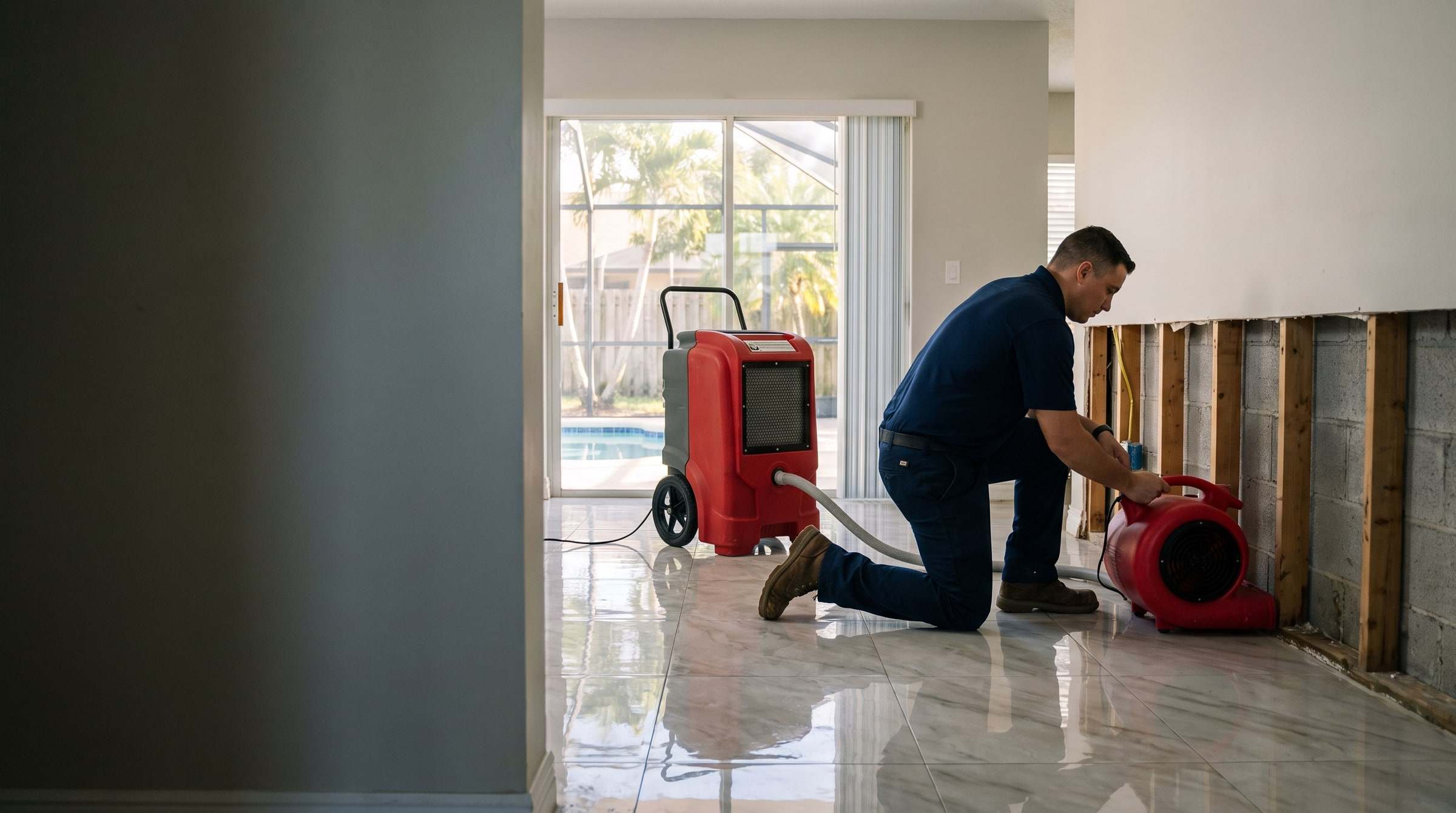
Extraction, moisture mapping, and structural drying for leaks, overflows, and floods, with documentation your adjuster can use.
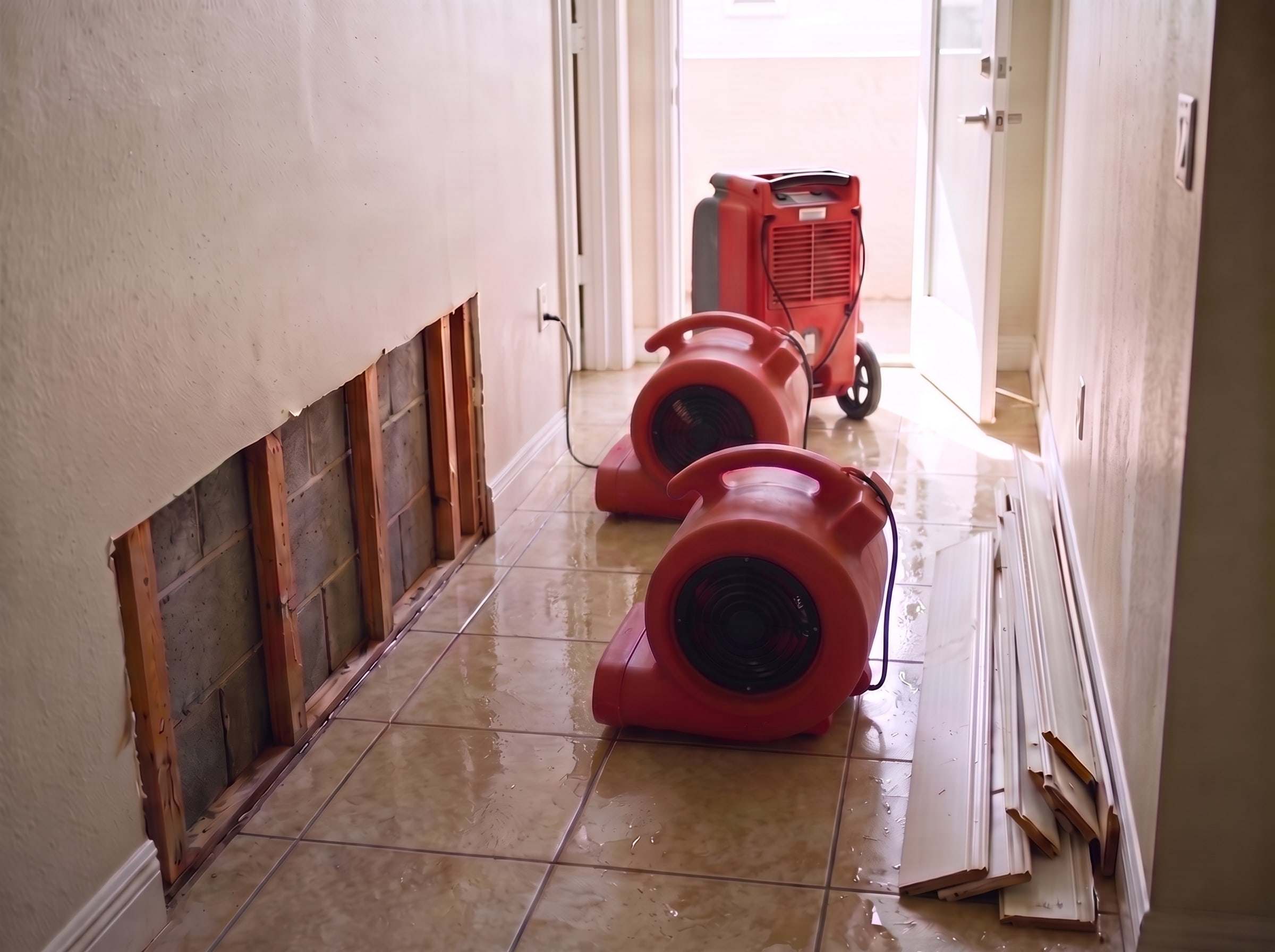
Dehumidification, air movement, and targeted drying for wall cavities, block, slabs, and hardwood, tracked with daily moisture readings.
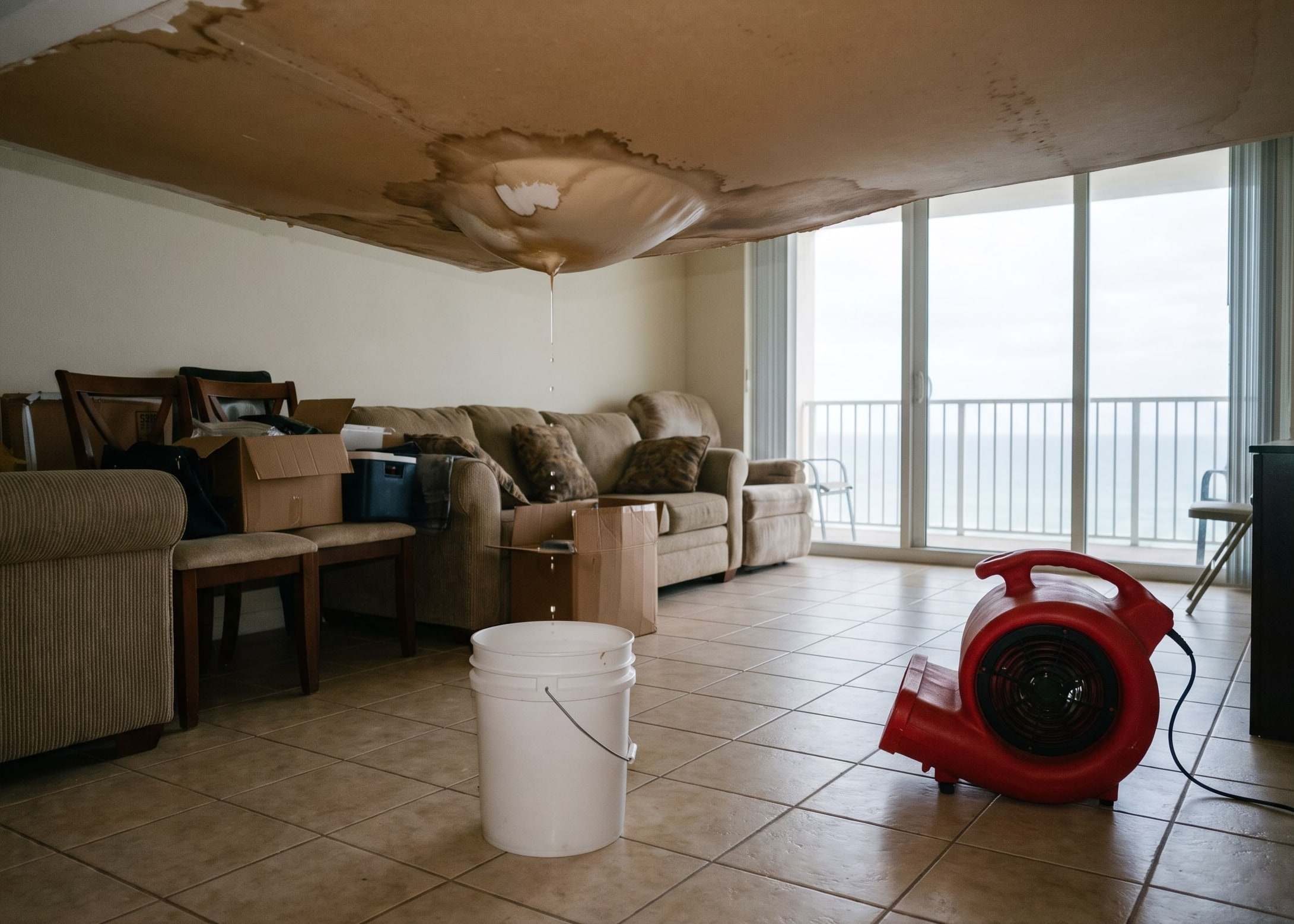
Tracing, making safe, drying, and repairing ceilings soaked by condo leaks, attic AC units, plumbing, and roof leaks.
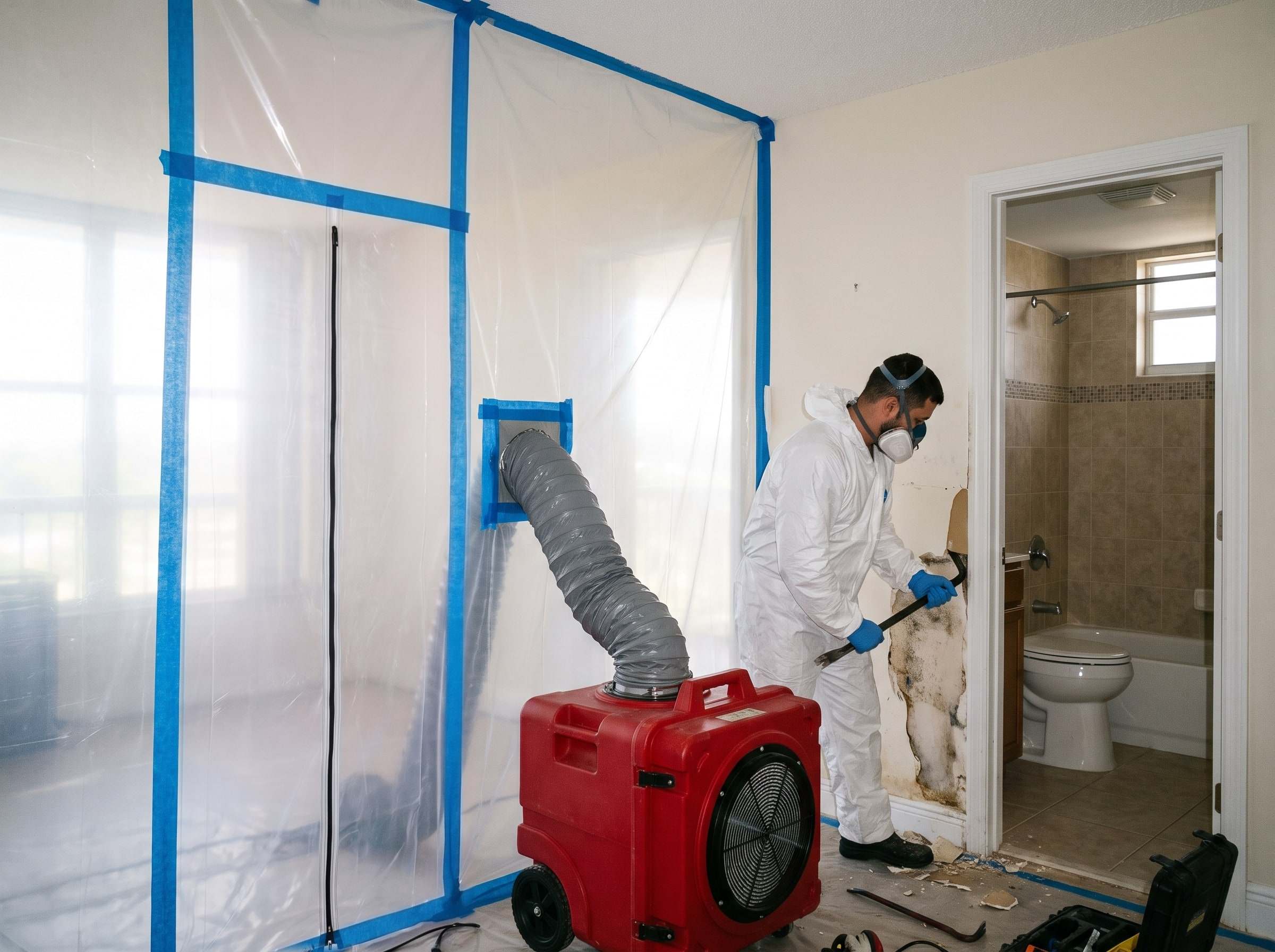
Containment, HEPA filtration, removal of moldy materials, and detailed cleaning to IICRC S520, with the moisture source found and fixed first.
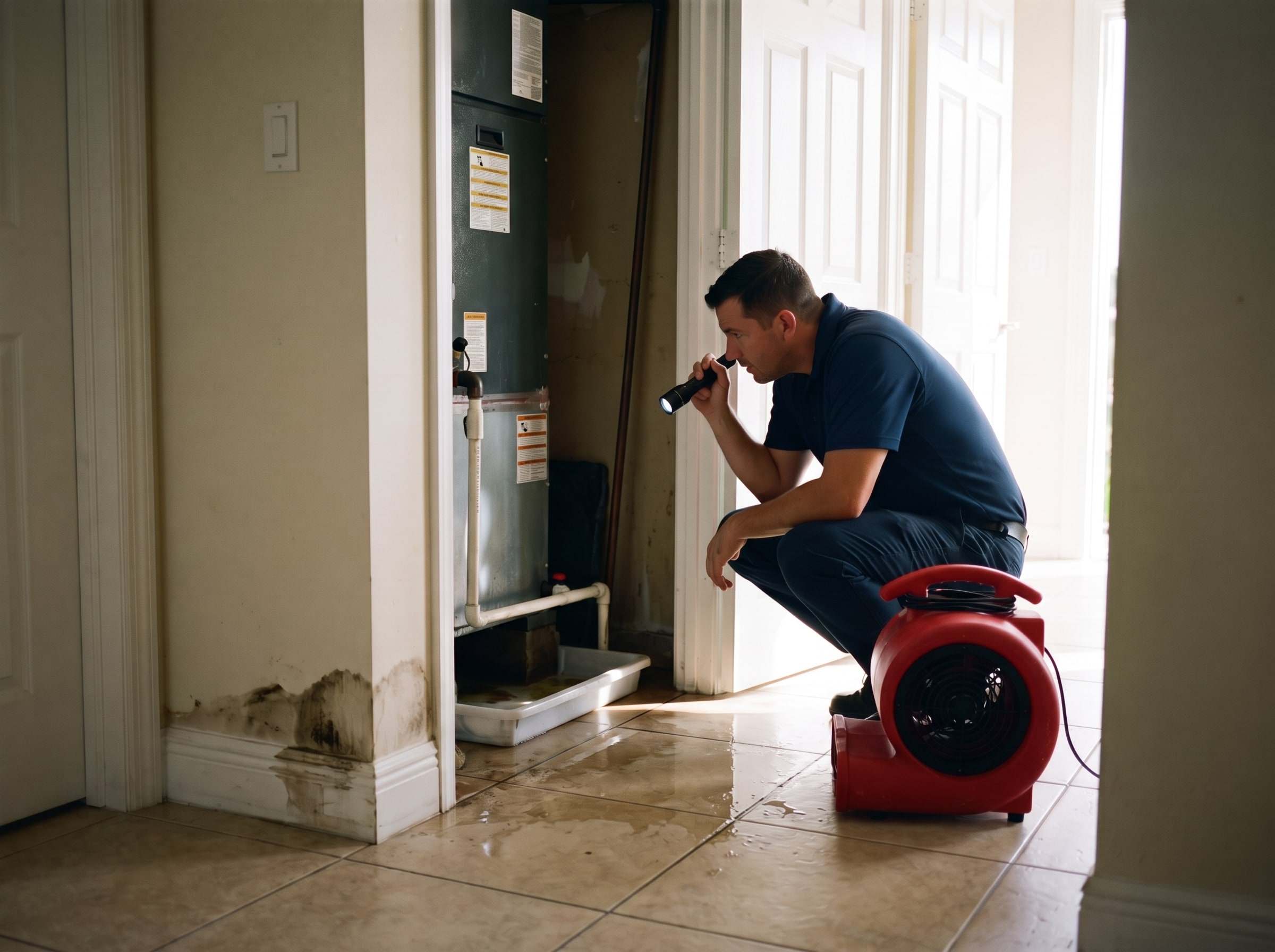
Cleanup and drying after AC condensate overflows, water heater failures, and washer, dishwasher, and ice-maker leaks, including damage under cabinets.
Service areas
We cover Miami-Dade, Broward, and Palm Beach counties. These are some of the cities where we handle leak detection most often.
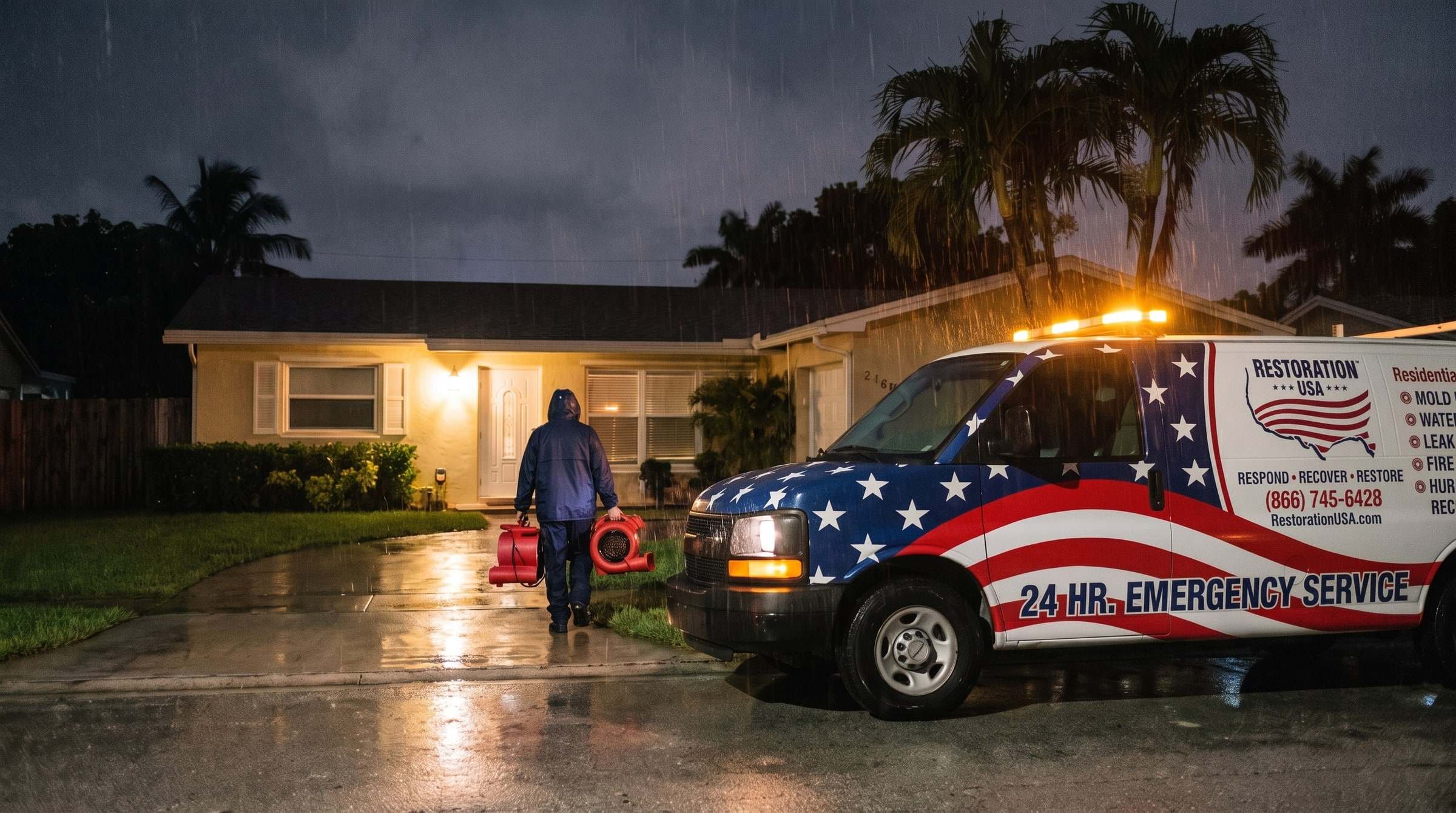
Don't wait. Go with the pros.
Call the 24/7 line. We will help you stop the source, tell you what to move, and get a crew scheduled. Not urgent? Send a request and we will call you back.
Call 24/7 (954) 289-0566On call 24/7
Schedule a no-cost on-site inspection. A restoration specialist will contact you within a few minutes to confirm the details.
Request received
Thank you. A restoration specialist will contact you at the number provided to confirm the details. If water is still coming in, call now and we'll walk you through shutting it off.
(954) 289-0566Recognized by